






























Infection Prevention Through Proper Sterilization
By Sarah Seaton, Senior Marketing Manager, Midmark Corp.
October 9, 2018
Healthcare-associated infections (HAI) are a serious issue across the health system. The Center for Disease Control and Prevention (CDC) estimates that roughly one in 25 hospital patients has at least one HAI on any given day.
Controlling bacterial contamination has long been considered the most essential component in infection prevention. However, there are currently no industry or government regulations or standards in place for the process.
To make matters even more challenging, the infection prevention process can be time-consuming and the equipment can sometimes be expensive. One simple mistake can result in the unwanted spread of infection, posing a risk to both patients and caregivers.
On top of that, there is additional pressure to quickly process instruments as output can mean more income. This sometimes results in steps being skipped or even worse – staff suffering a sharps injury as they try to manually process instruments.
While different sites often have historically different approaches to cleaning and sterilization, the urgency of the risk underscores the need for a consistent and effective approach across the health system.
Below are instrument processing best practices in accordance with the Center for Disease Control and Prevention’s disinfection and sterilization guidelines:
Step One: Receiving, Cleaning and Decontamination
Instruments should be placed in an appropriate container at the point of use to prevent percutaneous injuries during transportation to the instrument processing area
Reusable instruments, supplies and equipment should be received, sorted, cleaned and decontaminated in one section of the processing area
Using automated equipment can be safer and more efficient than manually cleaning contaminated instruments
Step Two: Preparation and Packaging
Jointed/hinged instruments should be in the open position so that all surfaces are exposed
Use a container system or wrapping that has received FDA clearance and is compatible with the type of sterilization process used
Sterilization cycles should be verified for each sterilizer by the periodic use (at least weekly) of a biological indicator (e.g. spore test)
Step Three: Sterilization
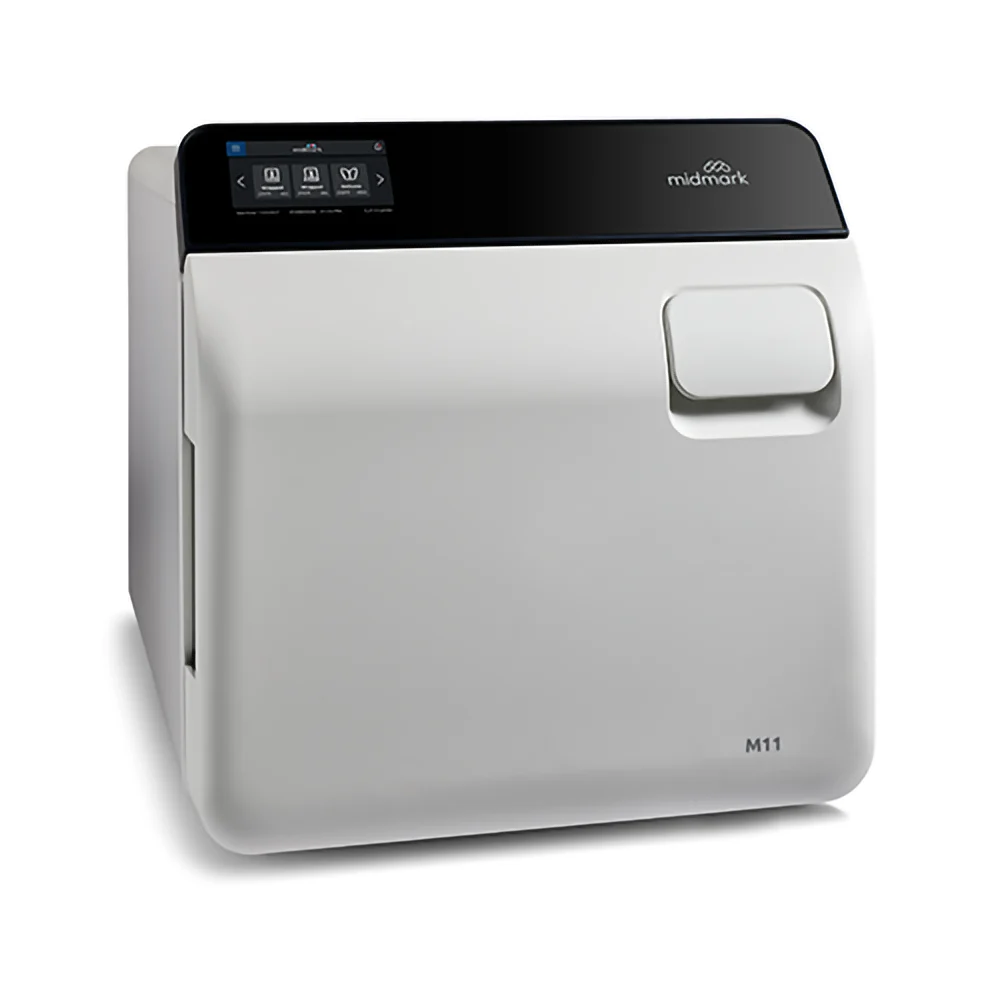
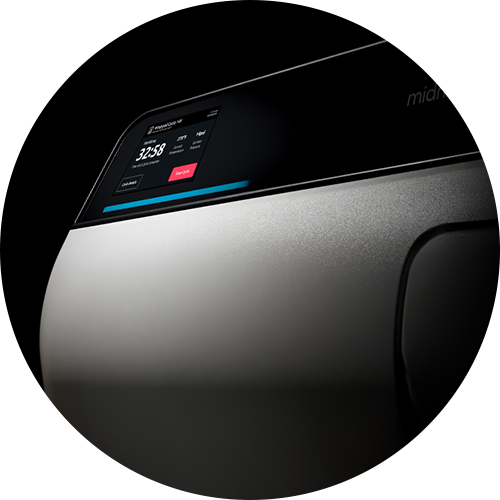
Steam sterilization is the most widely used for wrapped and unwrapped critical and semicritical items that are not sensitive to heat and moisture
Use only FDA-cleared medical devices for sterilization and follow the manufacturer’s instructions for correct use
Items to be sterilized should be arranged to permit free circulation of the sterilizing agent (e.g. steam)
Allow packages to dry in the sterilizer before they are handled to avoid contamination
Step Four: Monitoring/Sterility Assurance
Use mechanical, chemical and biological monitoring to ensure effectiveness of the sterilization process
Results of biological monitoring should be recorded, and sterilization monitoring records retained long enough to comply with state and local regulations
Step Five: Storage
Storage of unwrapped instruments is discouraged because it permits exposure to dust, airborne organisms, and other unnecessary contamination before use on a patient
Storage practices for wrapped sterilized instruments can be either date or event related
Instruments should be stored in closed or covered cabinets
If packaging is compromised, the instruments should be recleaned, packaged in new wrap, and sterilized again