

































Choosing the right RTLS for locating success

9/26/2019
One of the most common questions we hear from healthcare organizations interested in RTLS is “Which RTLS technology should I use?”
Midmark RTLS offers three types of locating: Wired, Wireless and Wi-Fi. Choosing the right RTLS comes down to your organizational needs and specifications. Here are three important questions to consider:
- Are you considering RTLS for an existing facility, or for a new building?
- Does your facility provide inpatient/acute care, or outpatient/ambulatory care?
- Do your goals involve locating people (patients and staff), equipment or both?
Now, with those answers in mind, let’s review the types of locating and the ideal setting for each type.
Wired Sensory Network
Our Wired Sensory Network offers high location accuracy with a minimal maintenance burden once installed.
Best for: Acute or ambulatory care settings, new buildings, locating people and equipment
Pros:
- Little to no maintenance needed
- No battery changes
- Low Total Cost of Ownership (TCO) over time
- Aesthetics (small, discreet sensor)
Cons:
- Labor intensive installation (wiring)
- Higher installation costs
- Longer installation time
- Possible care delivery disruptions during installation
Wireless Sensory Network
With our Wireless Sensory Network, you achieve the same level of accuracy, but with the lowest installation effort, no wiring necessary.
Best for: Outpatient care settings, existing buildings, locating people and equipment
Pros:
- Quicker installation time
- Lower installation costs
- Minimal wiring
- Easier re-location of sensors
Cons:
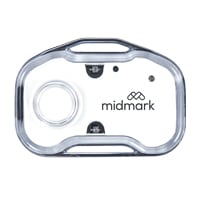
- Aesthetics (larger sensor to accommodate batteries)
- Battery changes required approximately every three years
Wi-Fi RTLS
Use your existing Cisco® Wi-Fi infrastructure with Midmark RTLS Wi-Fi Asset Tags to locate equipment.
Best for: Acute care settings, both existing and new buildings, locating equipment ONLY
Pros:
- Quickest installation time (leverages existing network)
- Lowest installation costs
- Provides zone-level location information (a great foundation for campus-wide equipment visibility)
- Can be used to complement a Wired or Wireless Sensory Network
Cons:
- Only provides general, zone-level location
- Can only be used for tracking equipment
- Additional infrastructure needed for room-level and PAR-level location information
To learn more about Midmark RTLS sensory networks and which one is right for your organization, download our Hardware Brochure or contact a Midmark RTLS sales rep today.
Cisco is a registered trademark of Cisco Systems, Inc.