



































Get 5–9% savings on shelter equipment.
Why Some Shelters Are
Rethinking Kennel Design

By:
Senior Marketing Manager, Midmark Veterinary
April 21, 2026
The kennel environment plays a powerful role in whether animals remain stressed or show their true personalities—and that can influence behavior and adoption outcomes.
Walk into any animal shelter early in the morning and you’ll see the work begin long before the doors open.
Staff and volunteers move from kennel to kennel—cleaning spaces, preparing food and checking on animals that may already be experiencing high levels of stress.
While many factors affect animal wellbeing in shelters, one element quietly shapes much of that daily experience: the kennel environment.
Housing Design Influences Behavior and Adoption
Research in shelter medicine consistently highlights the importance of housing designed to support animal health, wellbeing and comfort. When housing supports these needs, animals are better able to settle in the shelter environment and express their natural personalities.
That matters because adoption decisions often happen quickly. Visitors walking through a shelter form immediate impressions, and the way an animal behaves can strongly influence those perceptions.
Animals that appear reactive, overstimulated, withdrawn or fearful may simply be responding to their environment. But adopters may interpret those behaviors differently.
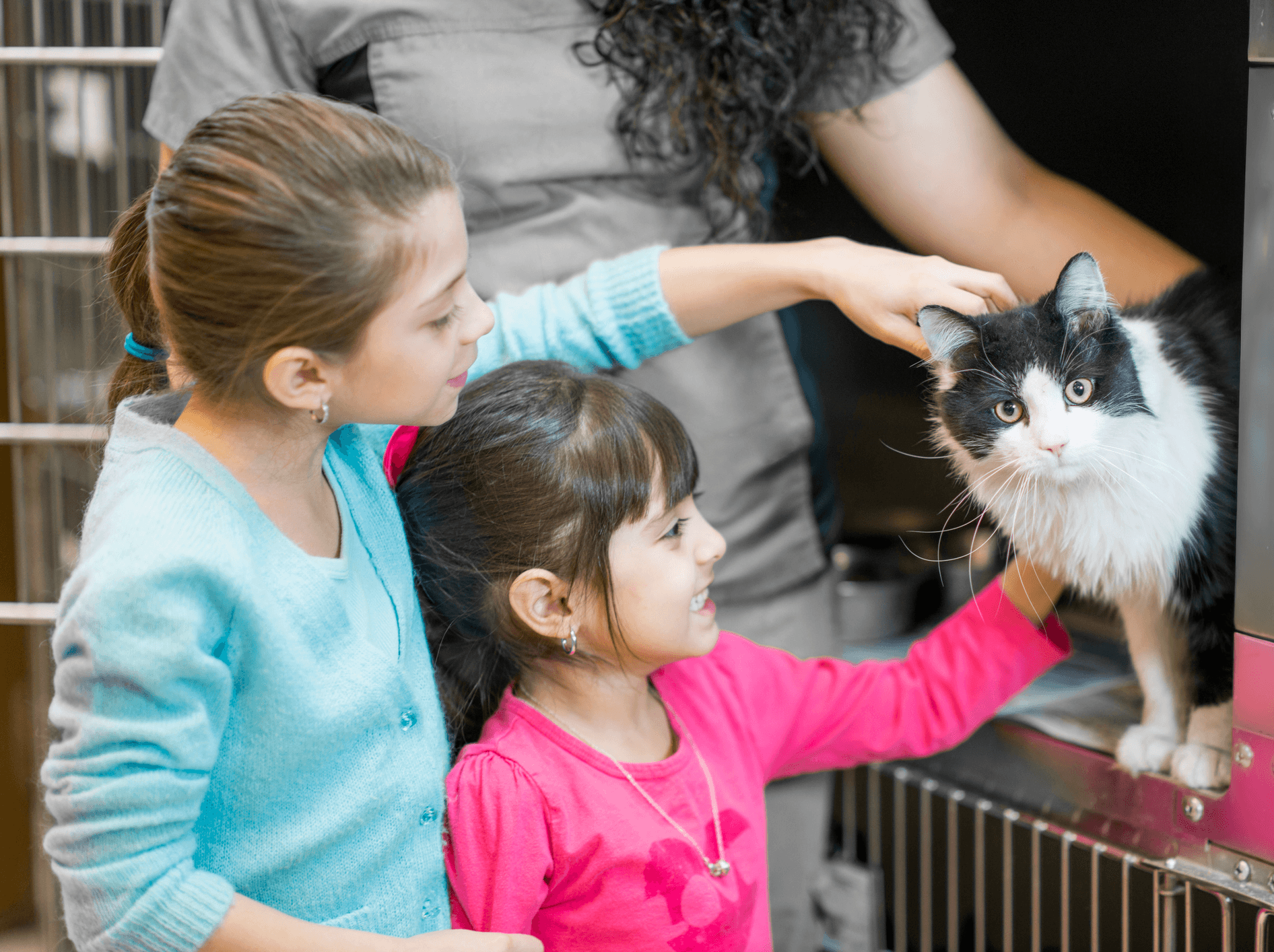
Thoughtful kennel environments can support animal health and wellbeing while maintaining cleaner living spaces for animals in their care. Housing isn’t just containment. It’s the place where animals spend most of their time while in the shelter—and it shapes behavior.
Shelters do extraordinary work helping animals find homes, but the kennel environment itself can still be overwhelming for many animals. Unfamiliar sounds, scents, people and confinement can make it difficult for them to relax. As shelters work to reduce animals’ length of stay and help them move into homes more quickly, the focus isn’t simply on adding more kennels—it’s on creating better environments within the space they already have.
A Shift Toward Double-Compartment Kennels
One approach shelters are using to help animals spend less time in the shelter and move into homes more quickly is double-compartment kennel design.
Instead of a single enclosure, these kennels create two connected spaces that allow animals to separate resting areas from elimination areas. This helps maintain cleaner living conditions while supporting animal comfort and wellbeing.
A pass-through, or transfer door, between compartments allows staff to close one side while cleaning the other. This reduces handling and helps animals avoid unnecessary interactions with unfamiliar people during routine care.
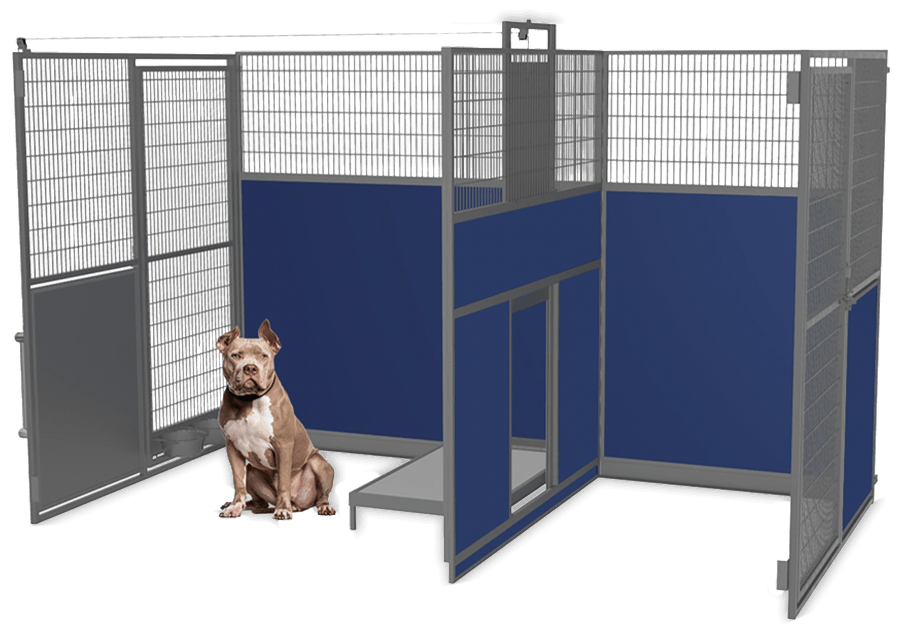
Shelter medicine research notes that multi-compartment housing can improve sanitation practices, reduce disease transmission and minimize animal handling—benefiting both animals and the teams who care for them.
Better Housing Supports Better Outcomes
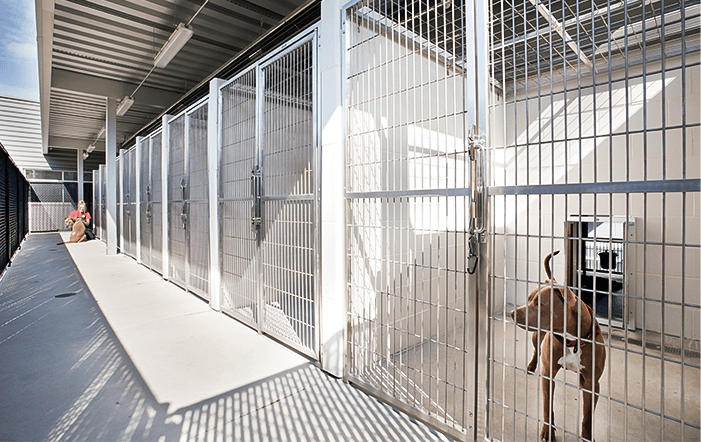
The goal isn’t simply to add more kennels. It’s to create better environments for the animals already in care.
Modern shelter medicine often refers to the concept of capacity for care—the balance between the number of animals, available resources and the ability to provide proper care. Housing design plays an important role in that balance.
Thoughtful kennel environments help shelters maintain cleaner spaces, simplify sanitation routines and create environments where animals can show their natural personalities.
Shelter professionals dedicate their careers to helping animals find homes. Every improvement that supports calmer animals, safer care and better adopter interactions moves that mission forward.
And sometimes those improvements begin with something as simple as rethinking kennel design.
Planning or Updating Your Shelter Housing?
Learn how kennel design can create calmer environments for animals while making
daily care easier for your team.
Explore housing solutions designed specifically for modern shelter environments.
Sources
Association of Shelter Veterinarians, Guidelines for Standards of Care in Animal Shelters.
Maddie’s Fund, Shelter Housing and Enrichment.
UC Davis Koret Shelter Medicine Program, Shelter Design Guidance.
Shelter Animals Count, National Shelter Data Report.