

















We See It.
The job is hard.
The environment shouldn't make it harder.
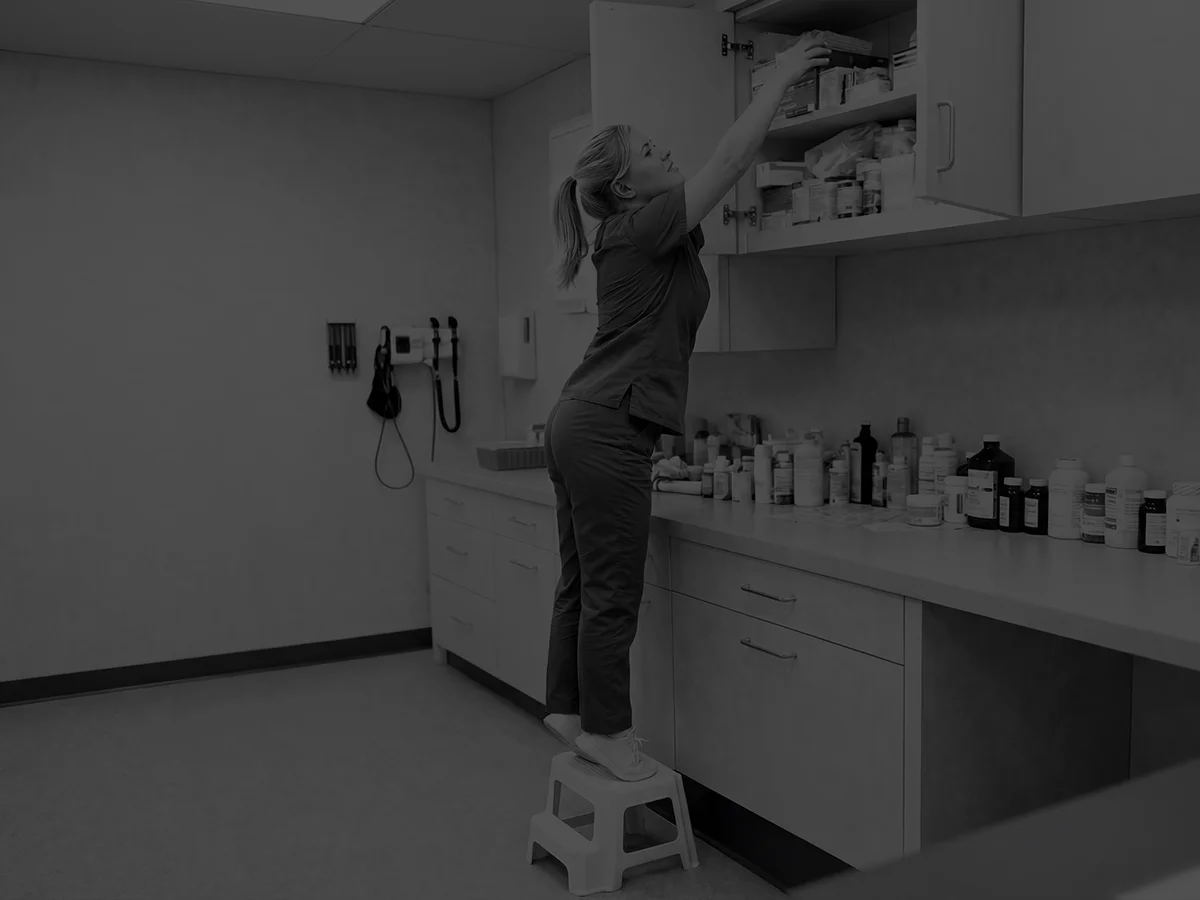
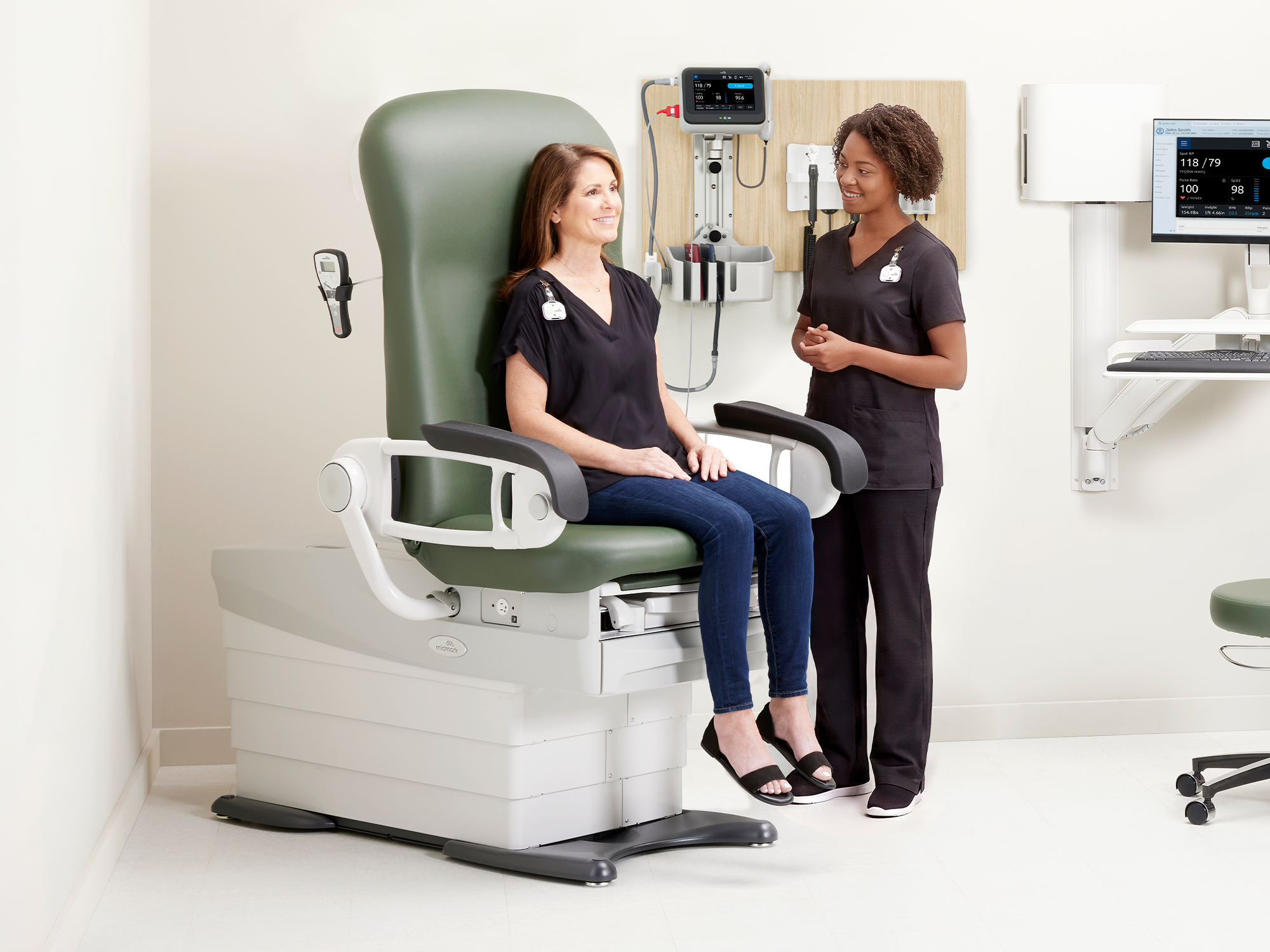
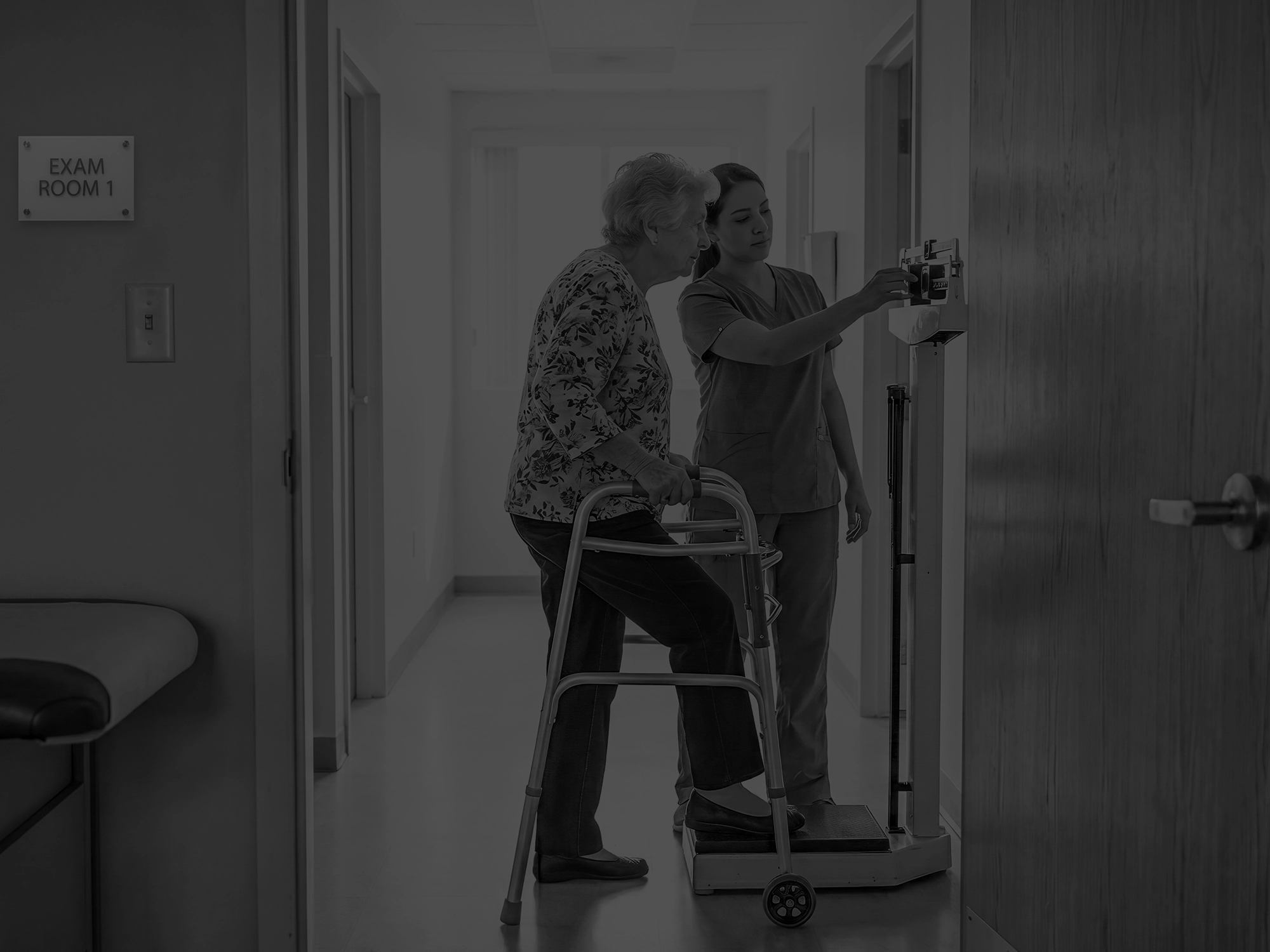
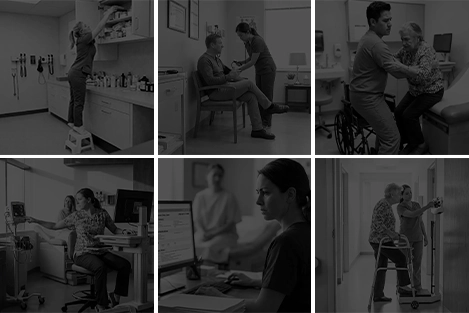
We see the everyday friction that gets in the way of care...
the wasted steps, the physical strain, the disconnected workflows and the moments that pull focus away from patients. That’s why Midmark designs every detail to help remove friction where it shouldn’t exist. To give time, focus and energy back to the people doing the work.
From room design and accessibility to connected technologies and point-of-care solutions, we help healthcare teams improve workflow efficiency, reduce wasted time and support better patient flow—so you can focus on what matters most, your patients.
Better care begins with every detail.
Stay connected with Midmark
Fill out the form below for insights and solutions designed to simplify workflows and improve the care experience.
Reduce strain. Support better flow.
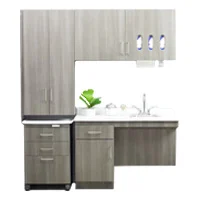
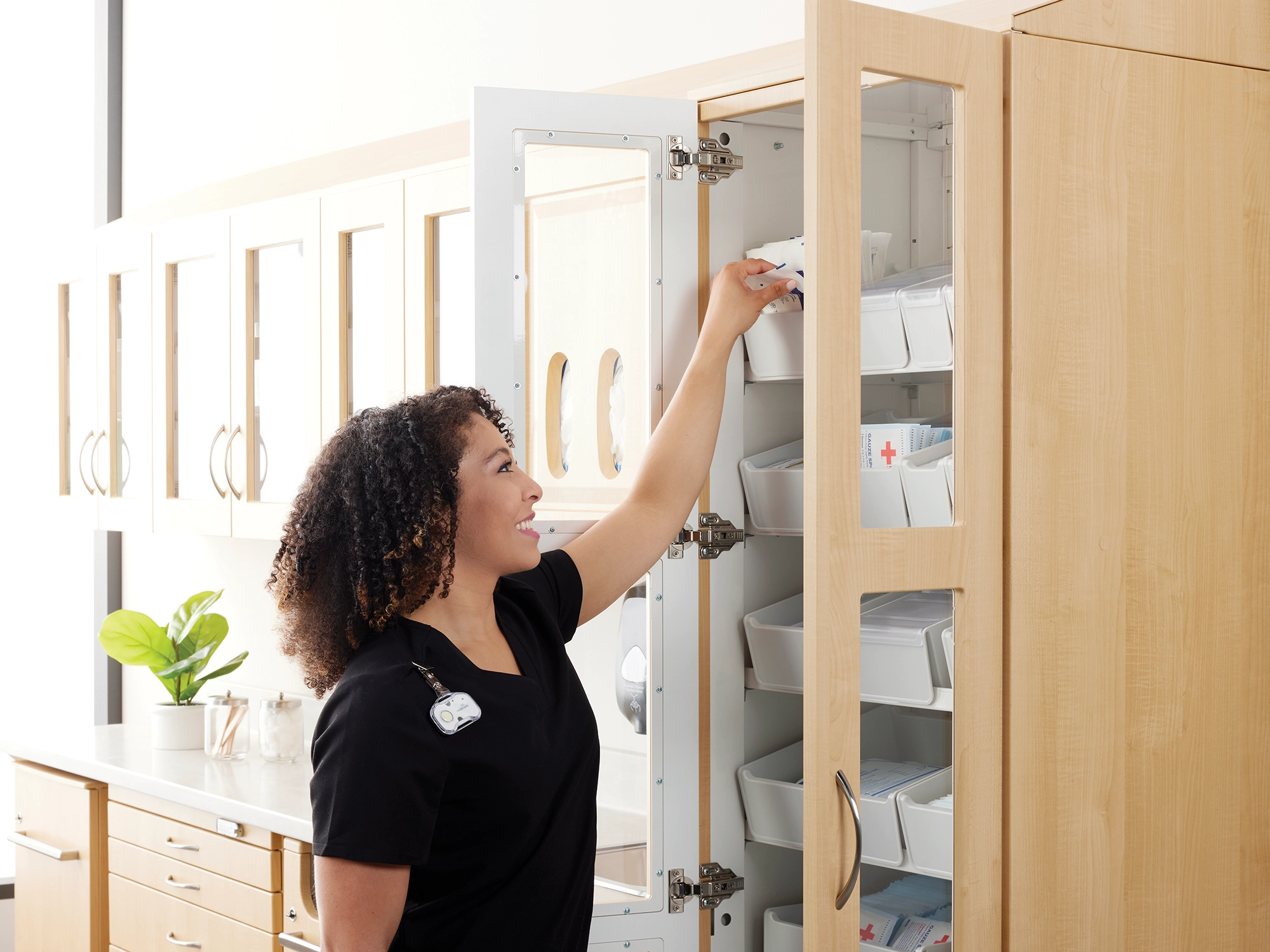
We see how too much reaching, bending and searching can add unnecessary strain throughout the day. Midmark cabinetry solutions support smarter room design with better access to supplies, better organization and a more efficient care environment—helping reduce wasted motion, improve workflow and support caregivers through every interaction.

Support better positioning for better care.
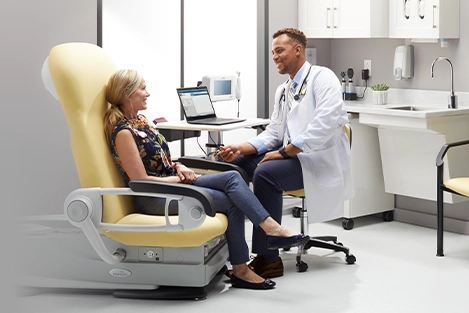
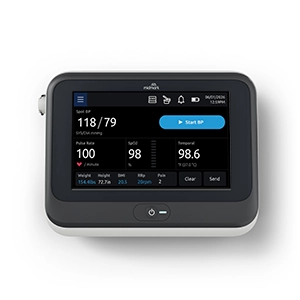
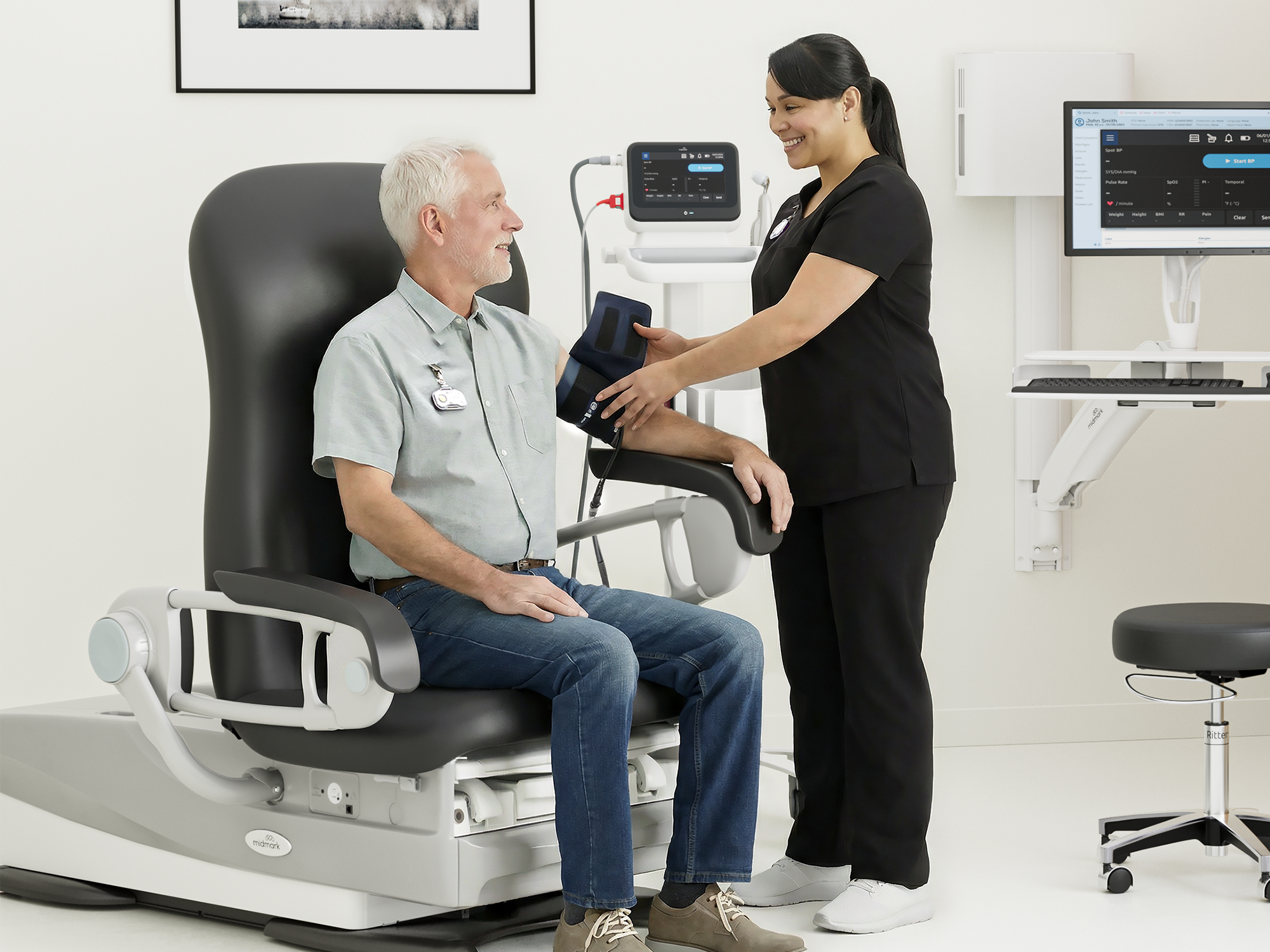
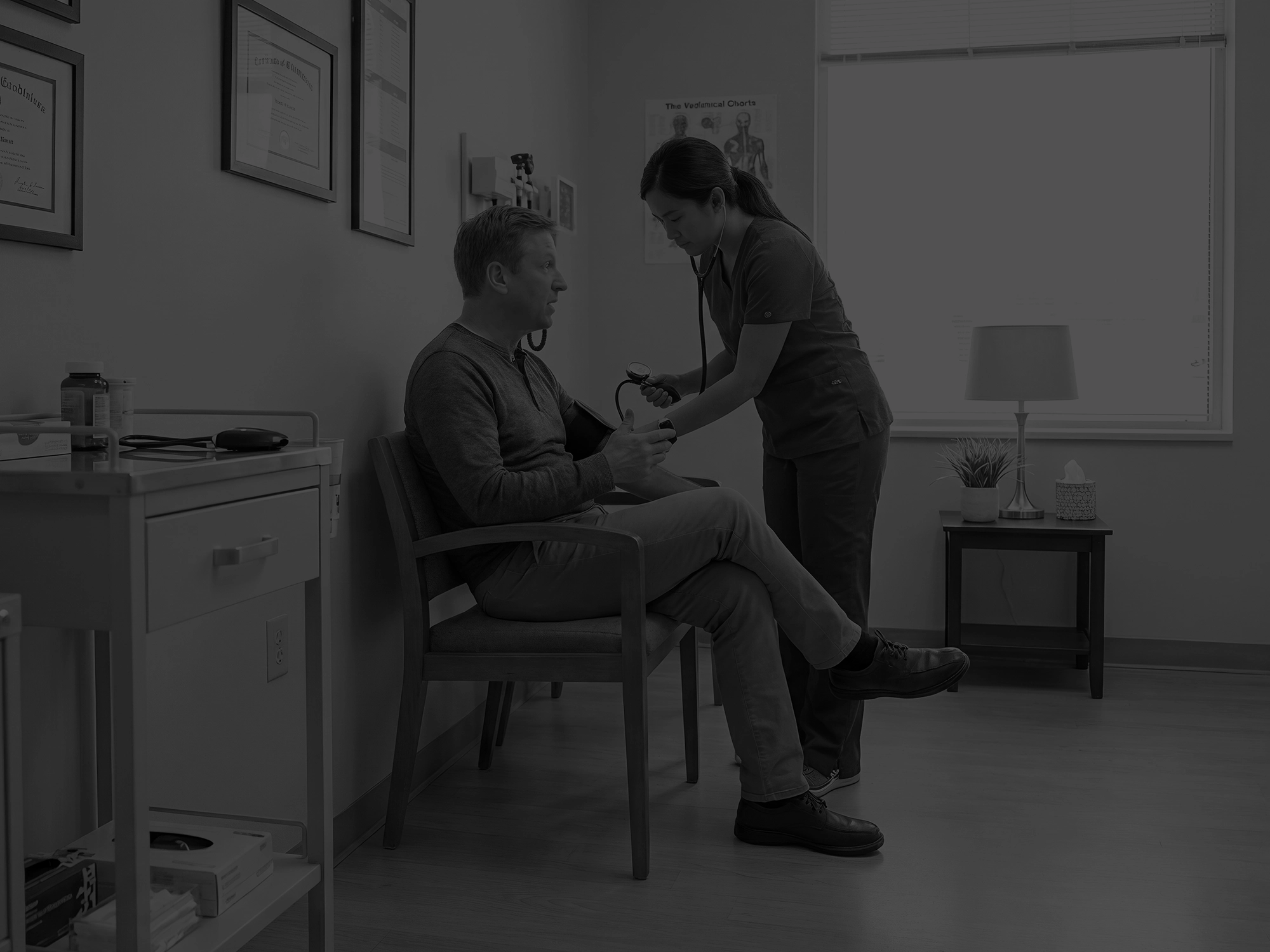
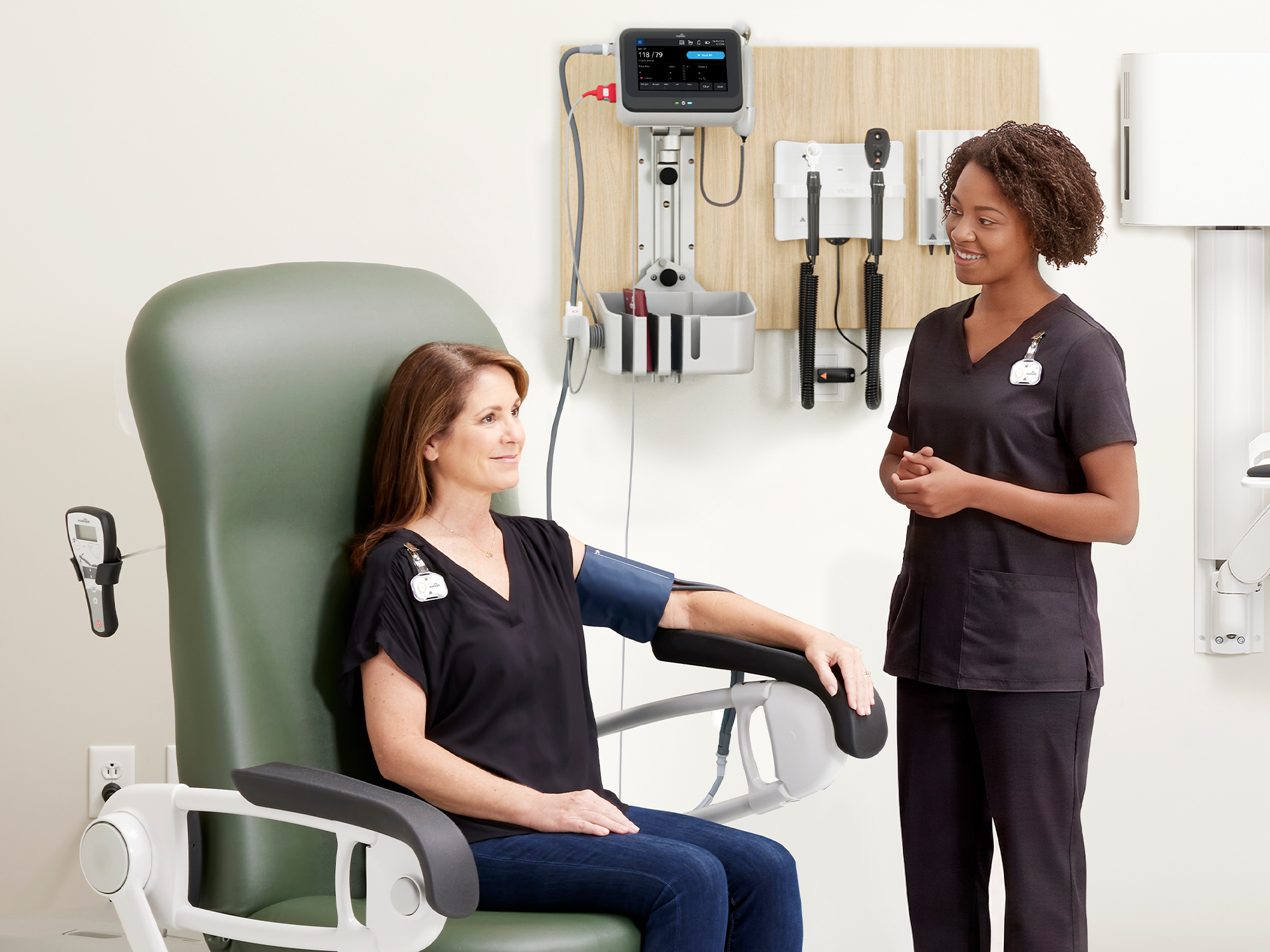
We see how awkward or inconsistent positioning can interrupt routine care and create discomfort for both caregivers and patients. Midmark Better BP® solutions help improve outcomes, support more consistent positioning at the point of care and create a better clinical experience.

Make care easier to access.
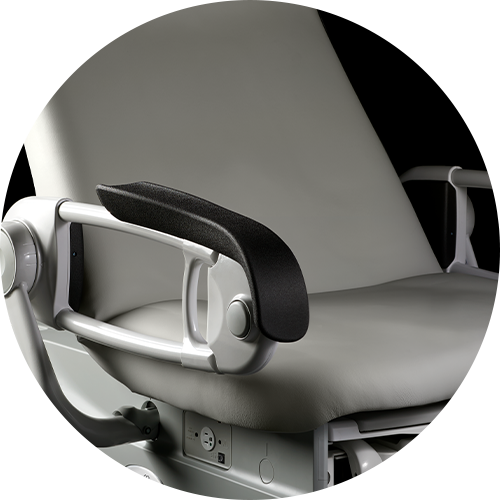
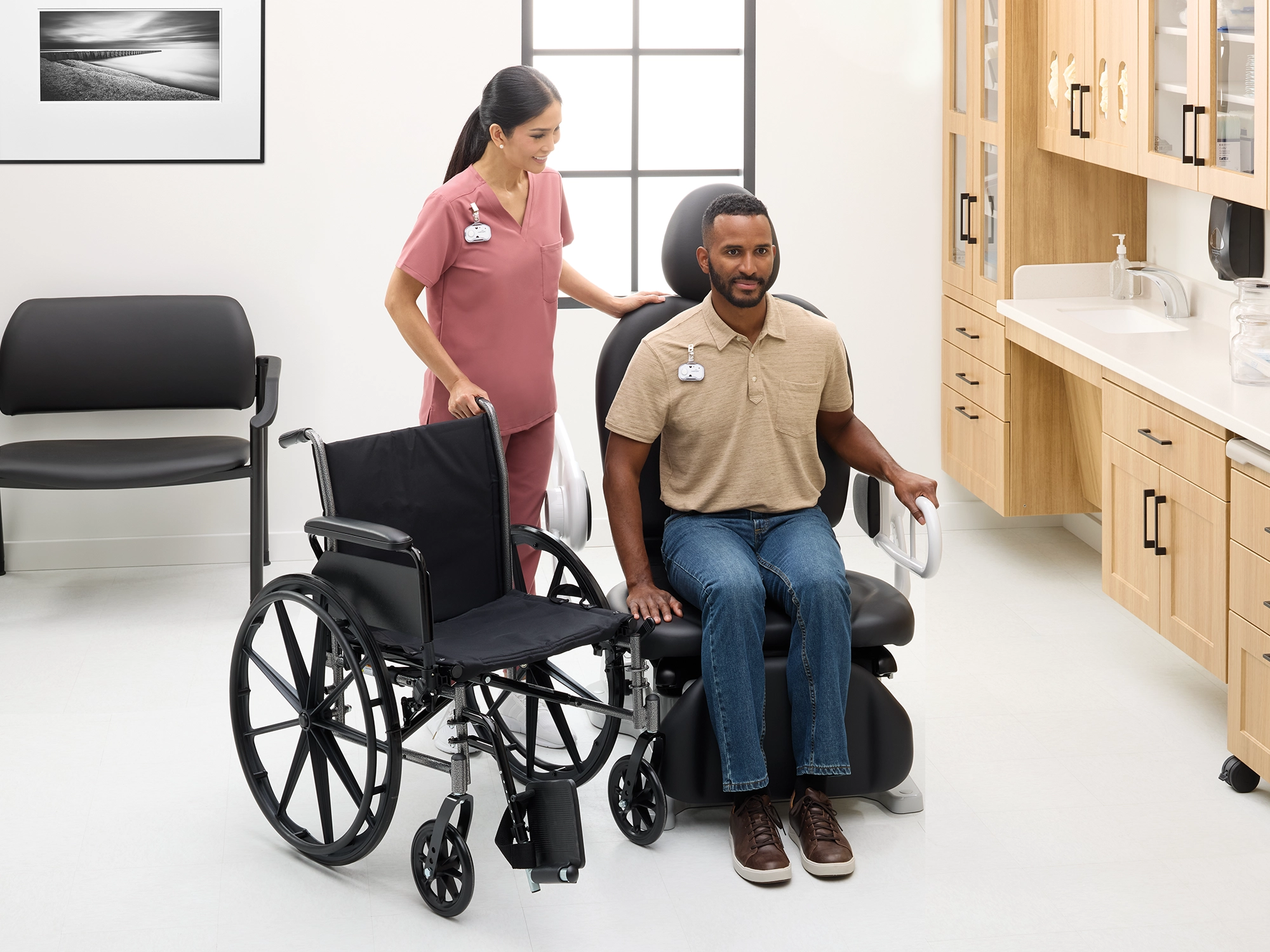
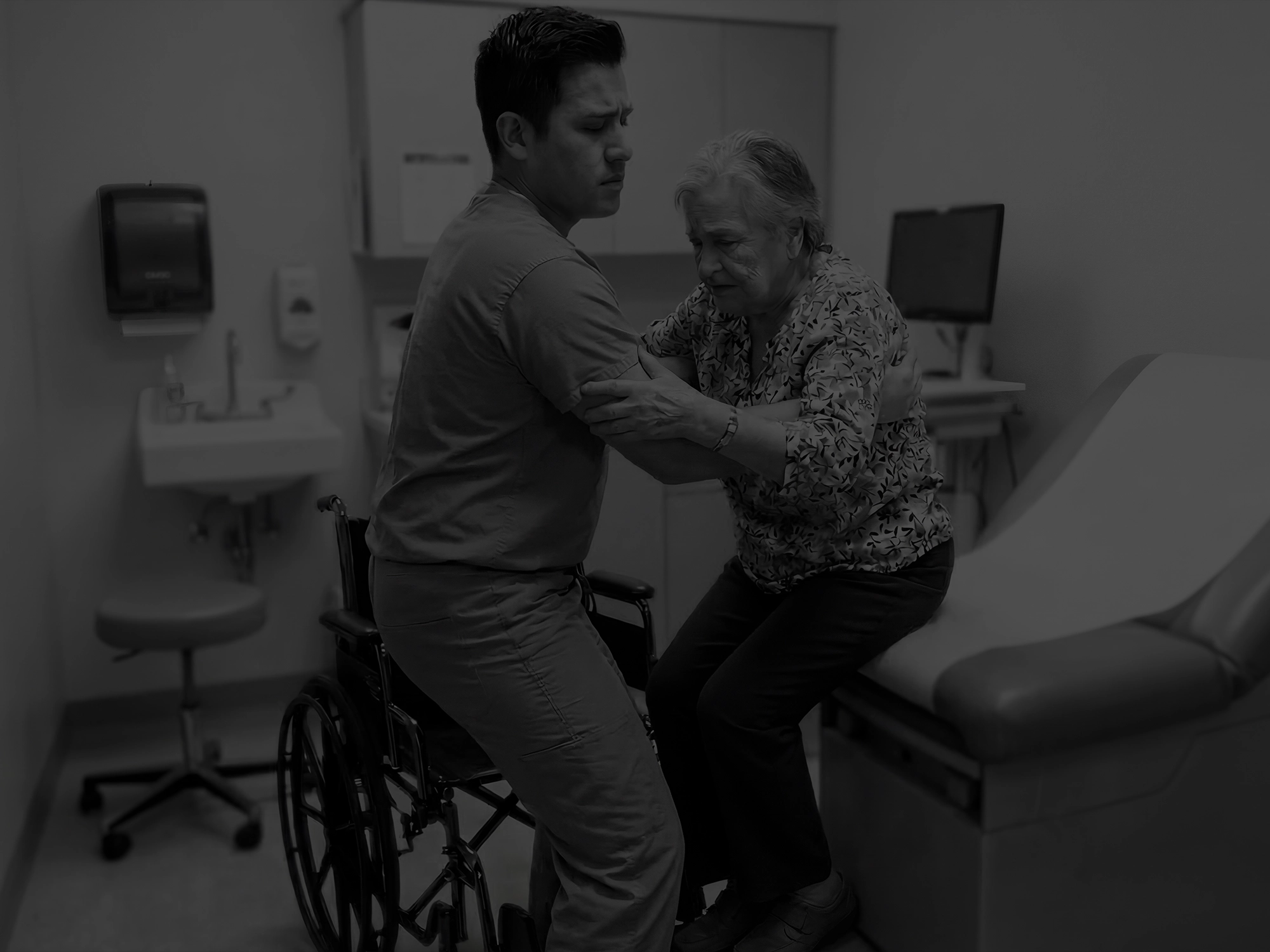
We see how inaccessible equipment can create barriers and make care harder than it needs to be. Midmark accessibility solutions help improve care environment design with spaces and equipment access that support safer interaction, more inclusive care and a better experience for patients and staff.

Reduce manual entry. Reclaim time for care.
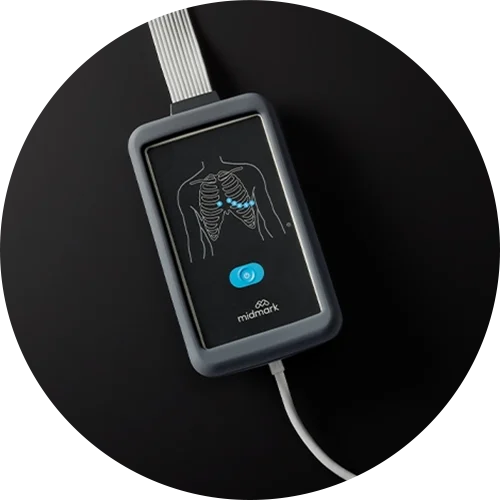
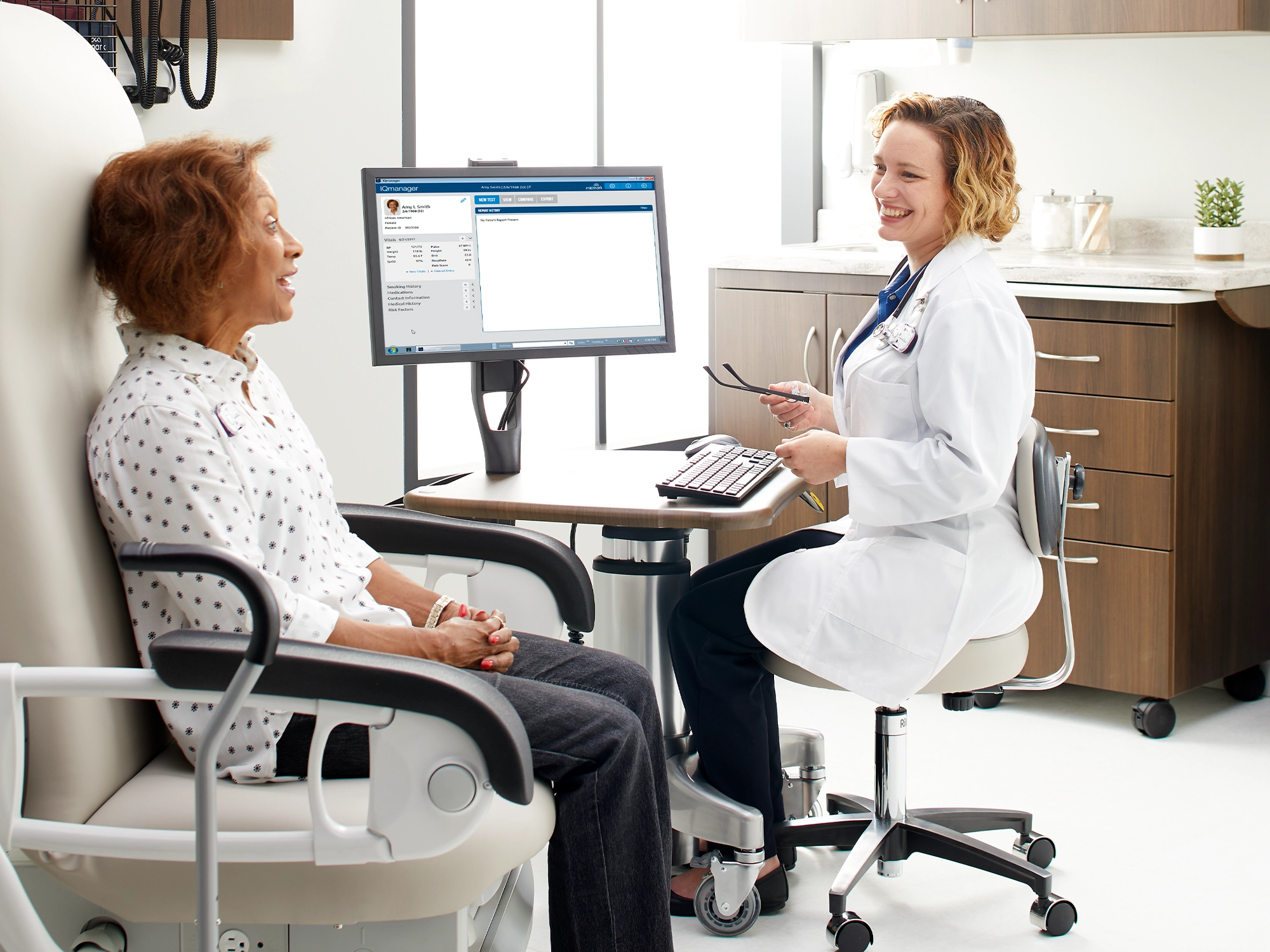
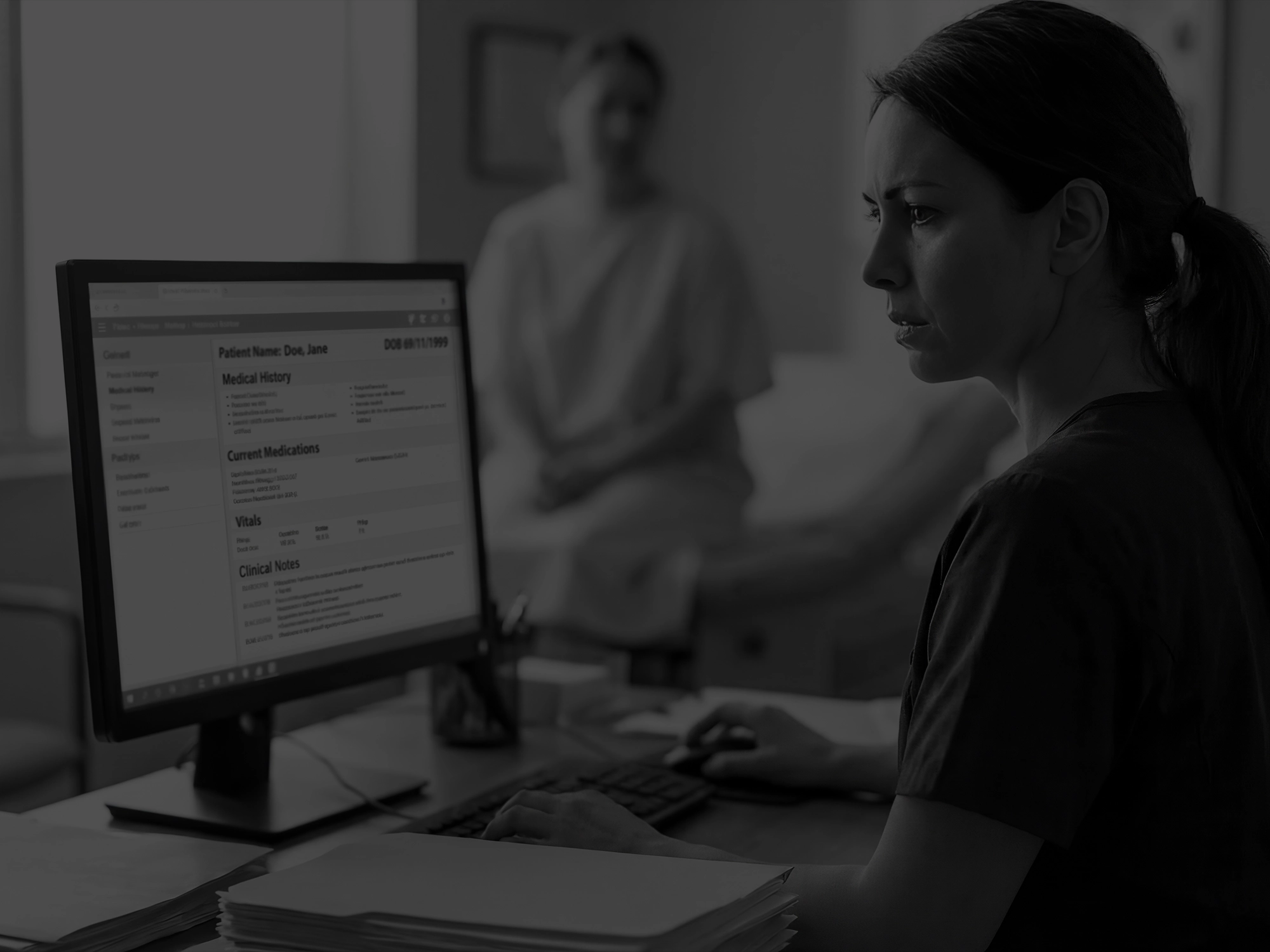
We see how duplicate documentation and disconnected systems add clicks, slow teams down and increase administrative burden. Midmark EMR connectivity helps streamline healthcare operations, reduce errors and manual entry while supporting clinical workflow optimization—giving caregivers more time to focus on patient care.

Keep connection at the center of care.
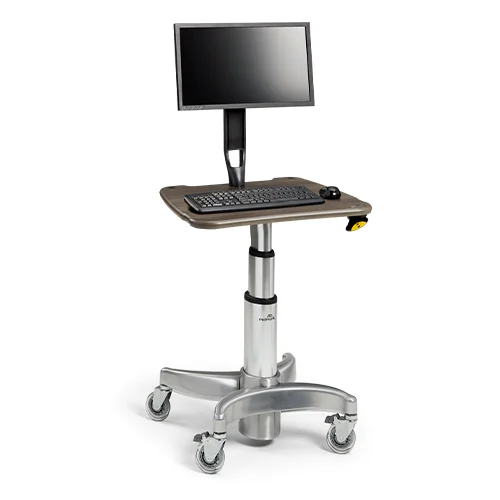
We see how screens, devices and poorly placed tools can create distance between caregivers and patients. Midmark workstations are designed with ergonomics, mobility, accessibility and organization in mind, helping keep technology supportive instead of distracting. By putting tools where they need to be, workstations help caregivers stay more present, support comfort throughout the day and strengthen patient-caregiver connection.

Fix inefficiencies that slow care down.
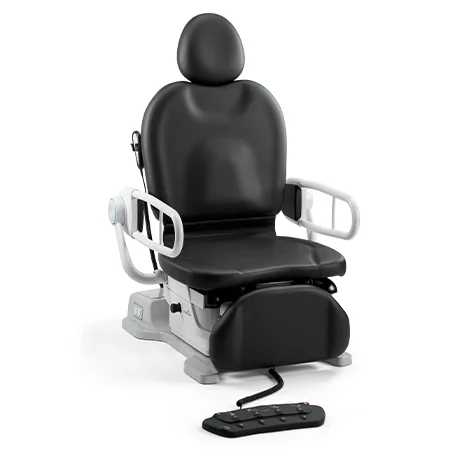
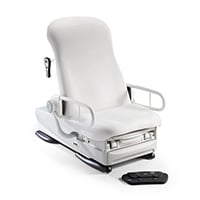
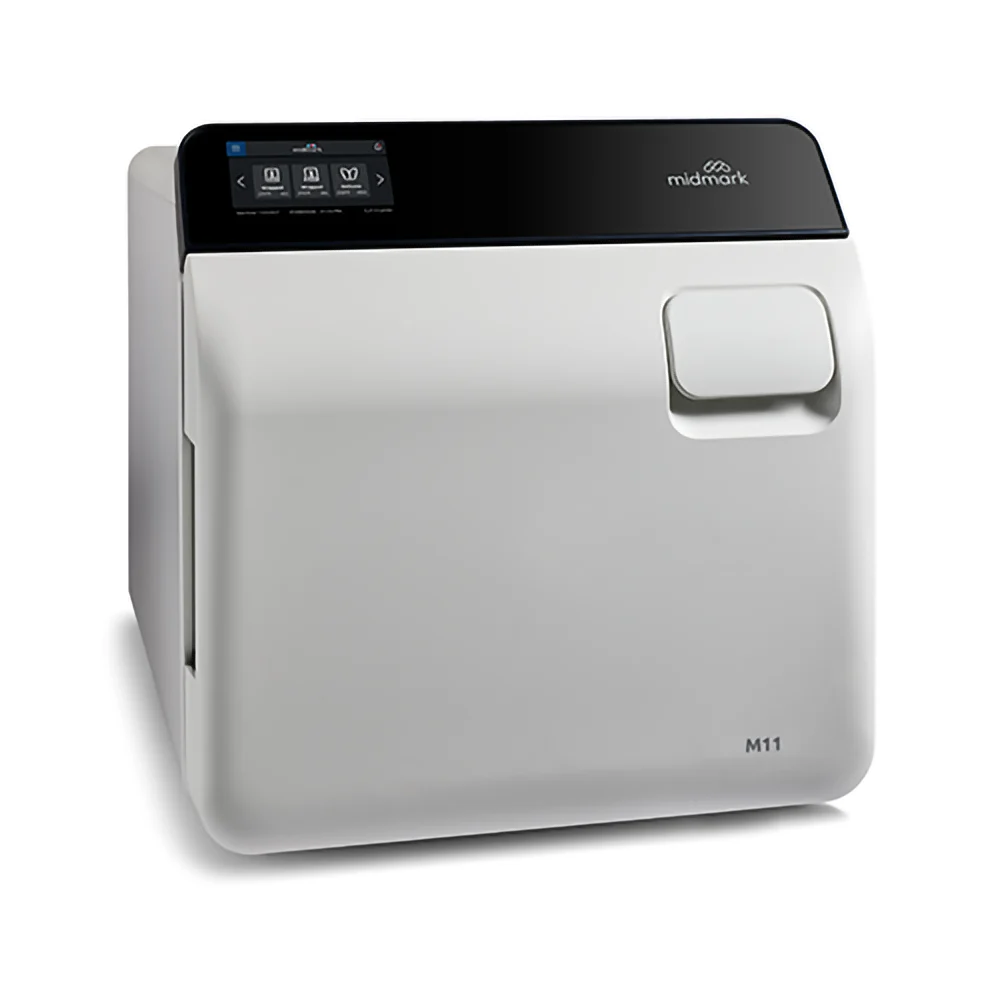
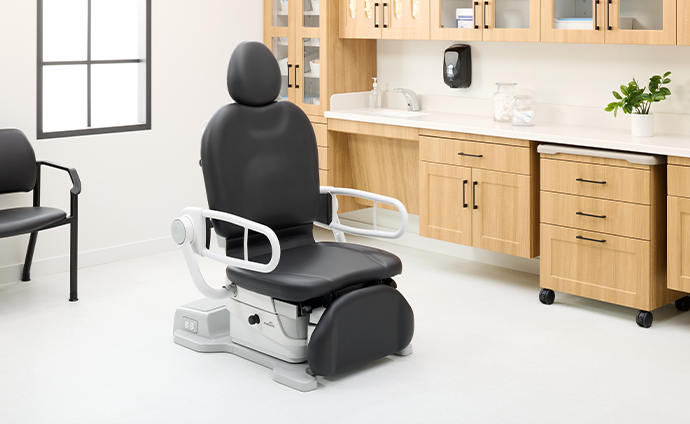
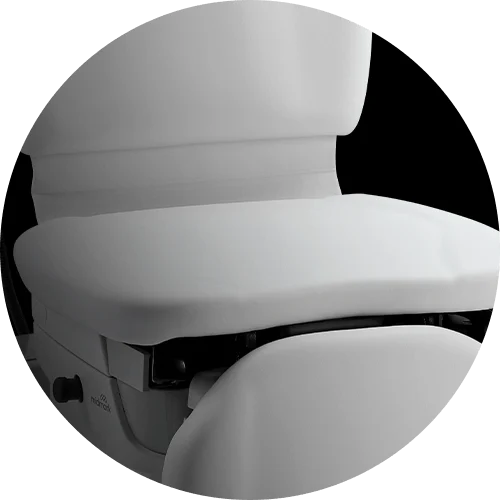
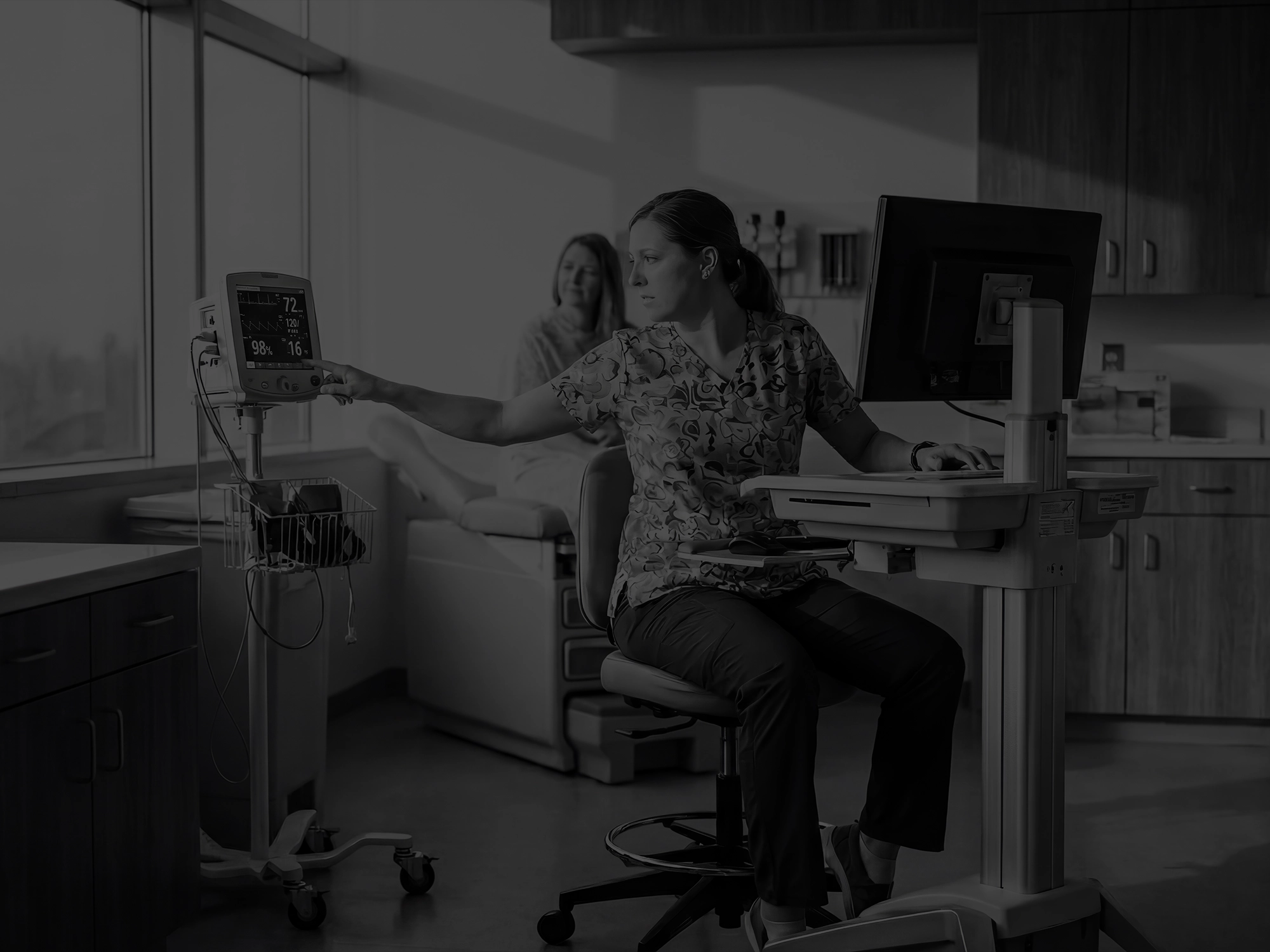
We see how inefficient workflows can create frustration, fatigue and lost time across the day. Midmark point-of-care solutions are designed to simplify the moments that can slow care down—including more efficient workflows like weight capture on the exam chair—helping reduce friction, improve patient flow and create a more connected care environment.
