












When Every Second Counts: The Clinical Value of ECG Testing in Primary Care

By:
Vice President of Clinical Affairs and Chief Medical Officer












We See It

Rethinking the Exam Room - AIA Credit
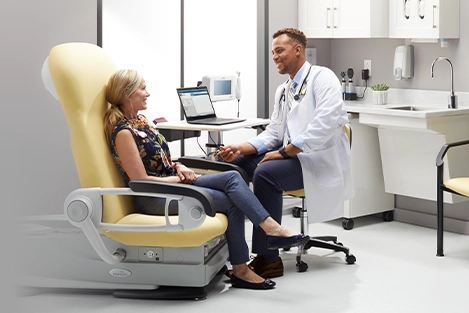
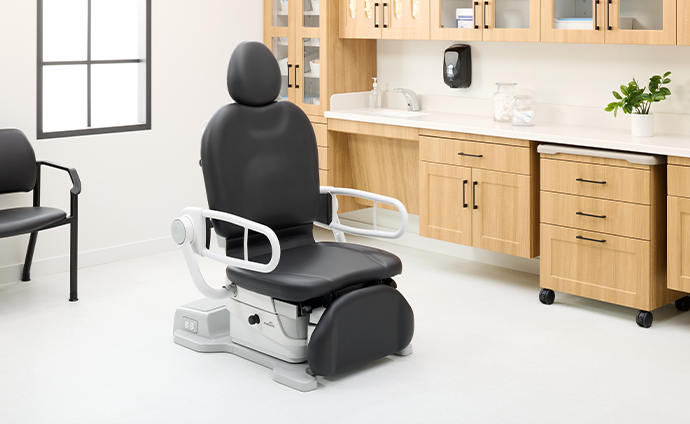
The right procedure room equipment can make a crucial difference in both patient outcomes and caregiver safety. Particularly for patients...
Explore the 631 Procedure Chair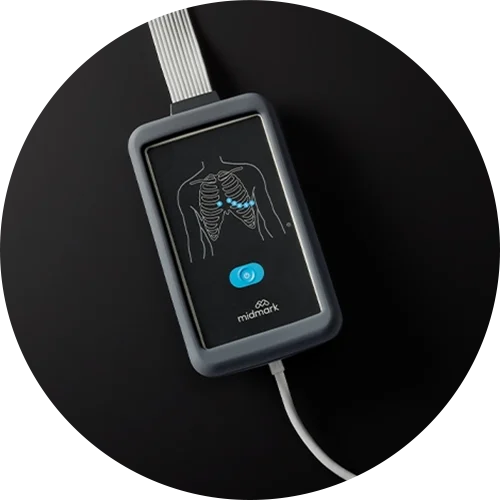












By:
Vice President of Clinical Affairs and Chief Medical Officer
Cardiovascular disease remains the leading cause of death in the US, with one person dying every 33 seconds from a cardiac event [CDC - Heart Disease Facts]. Many of these deaths are preventable with earlier detection and intervention—but often, by the time a cardiologist sees the patient, the window has closed.
Primary care providers are uniquely positioned to detect subtle cardiac abnormalities before they develop into clinically significant health issues However, the underutilization of ECG testing in this setting can delay early diagnosis and result in preventable downstream cardiac disorders.
Electrocardiography (ECG or EKG) is one of the most accessible, non-invasive diagnostic tools in clinical medicine. When incorporated routinely at the primary care level, it can:
Too often, ECGs are reserved for patients already symptomatic. Yet many cardiac issues begin silently and the information gained in routine ECG has the potential to improve proactive care management of emerging conditions as well as reducing risk of cardiac complications when choosing therapeutic interventions.
The barriers to adoption are often logistical. Common concerns that reduce a clinician’s propensity to conduct ECG testing include:
Recent advancements in digital ECG technology address these issues:
Clinicians are highly trained and rely on their experience and education when reviewing any clinical test but data has a way of revealing blind spots. As one contributor noted in a BP-focused blog, “I thought I knew how to take BP—until the data proved me wrong” [Midmark - Blood Pressure Blog]. The same sentiment applies to cardiac monitoring. The details matter in lead placement, patient positioning and adhering to protocols.
We’ve trusted visual checks, pulse readings and symptom reviews to guide referral decisions, but silent arrhythmias and ischemic changes are often difficult to detect on routine exams. Without a traceable record, primary care risks missing the earliest signs of cardiac disorders. ECGs allow providers to see beyond their physical exam and hear beyond their stethoscopes when doing a heart evaluation.
Routine ECG use in primary care is a diagnostic modality like any other, its implementation requires physician oversight on when and where it is most appropriate. But applying it to the right patient population can:
Emerging guidelines increasingly support proactive cardiovascular assessment in primary care, especially as value-based care models evolve. It has never been more important for primary care physicians to proactively identify risk in their patient populations, and ECG is a ready-made diagnostic tool to do just that.
Incorporating ECG into the primary care workflow creates a stronger bridge to cardiology. With standards like DICOM compatibility, primary care clinicians can:
This improves both patient experience and clinical trust—supporting a true team-based approach to cardiac care.
ECG in primary care is a powerful diagnostic tool that enables a care team the opportunity to intervene earlier, collaborate better and help close the cardiovascular care gap.