






































CONTACT A SALES REP

CHEW ON THIS

NEWS + UPDATES

MARCH 2026 RECAP

IN THIS ISSUE

A quick look at what’s inside this month’s recap

REACH MORE CUSTOMERS

Follow Midmark and our partners to extend visibility and engagement

Midmark Veterinary

Product updates, practice insights, and brand content to share.

Dr. Emily King

Veterinary education, advocacy, and audience engagement.

Dr. Molly Brinkmann

Clinical voice, social reach, and shareable partner content.

MARCH HAPPENINGS

News that can’t wait for next issue

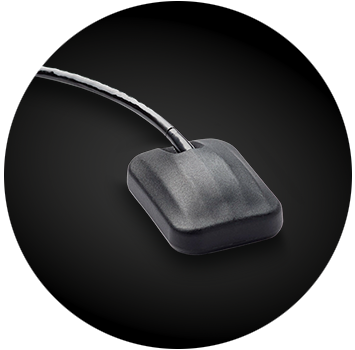
  • Digital Dental Sensors — save up to $3,000
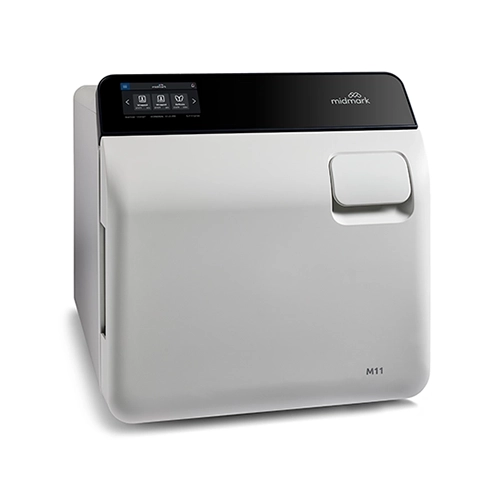
  • Sterilizer Maintenance Kit Offer
  • Sterilizer Trade-Up Promotion
View All Promotions

QUICK BITES

Product fast facts to share

NEW: 2024 PRO / 2024IE PRO Ventilators

Consistent and controlled ventilation plays a vital role in anesthesia protocols. The 2024 PRO and 2024IE PRO ventilators deliver dependable performance with thoughtful enhancements designed for veterinary medicine.

What’s New

  • Supports more consistent ventilation during ;onger or more complex procedures
  • Expands ventilation capabilities without requiring a full anesthesia upgrade.
  • Promotes confident use with straightforward manual control and digital precision.
  • Improves intraoperative awareness with clear LED indicators, audible alerts and standby functionality during case transitions.

What sets it apart

Upgraded electronics and an intuitive digital interface improve usability and clinical reliability. A new standby feature supports smoother workflow during induction and transitions. The 2024IE PRO adds adjustable inspiratory and expiratory ratios to support patients with more complex respiratory needs.

Takeaway:

A practical solution for adding mechanical ventilation, supported by smart enhancements that strengthen workflow and clinical control. (Position Mechanical Ventilation 101 as a resource to support confident clinical adoption.)

Guiding Kennel Size Decisions

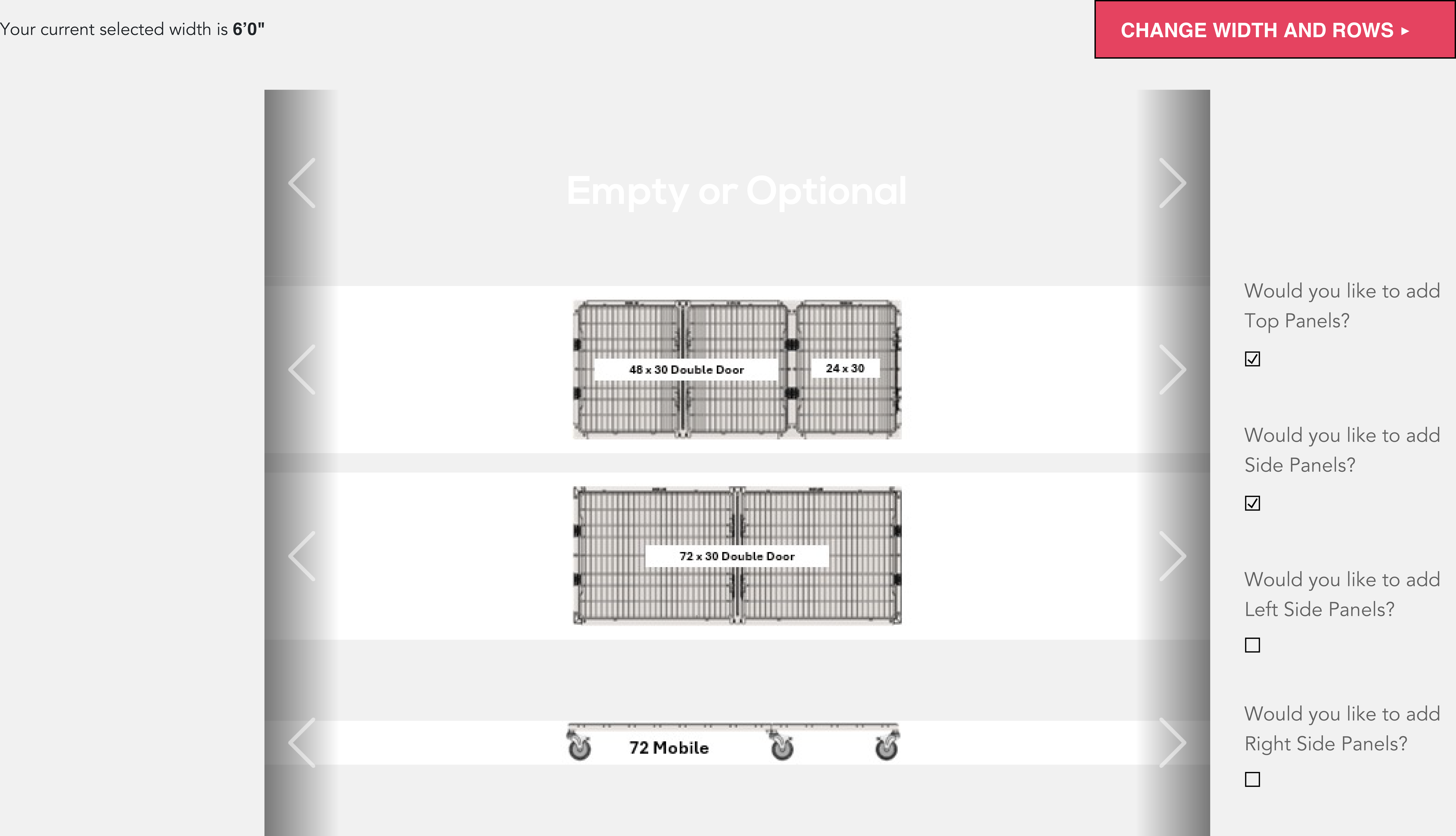
Fluctuating intake and lengths of stay make kennel sizing a strategic need for shelters. Aligning square footage with population demands supports flexible housing plans.

Why It Matters:

  • Adequate square footage allows for resting space and a separate elimination area.
  • Proper sizing supports movement, turning and posture for different breed types.
  • Oversized or undersized enclosures can impact stress levels and housing flexibility.
  • A balanced mix of kennel sizes helps with managing population and intake variability.

Common planning ranges

Reviewing these ranges alongside a shelter’s typical population distribution can help determine the right mix of kennel sizes.

~21 sq ft: Toy and small-breed dogs

~32 sq ft: Medium breeds, often the largest population segment

~45 sq ft: Large and athletic breeds

~50 sq ft: Giant and extra-long body types

Takeaway:

A well-planned mix of kennel sizes supports animal well-being while reinforcing efficient, sustainable operations.