
























-
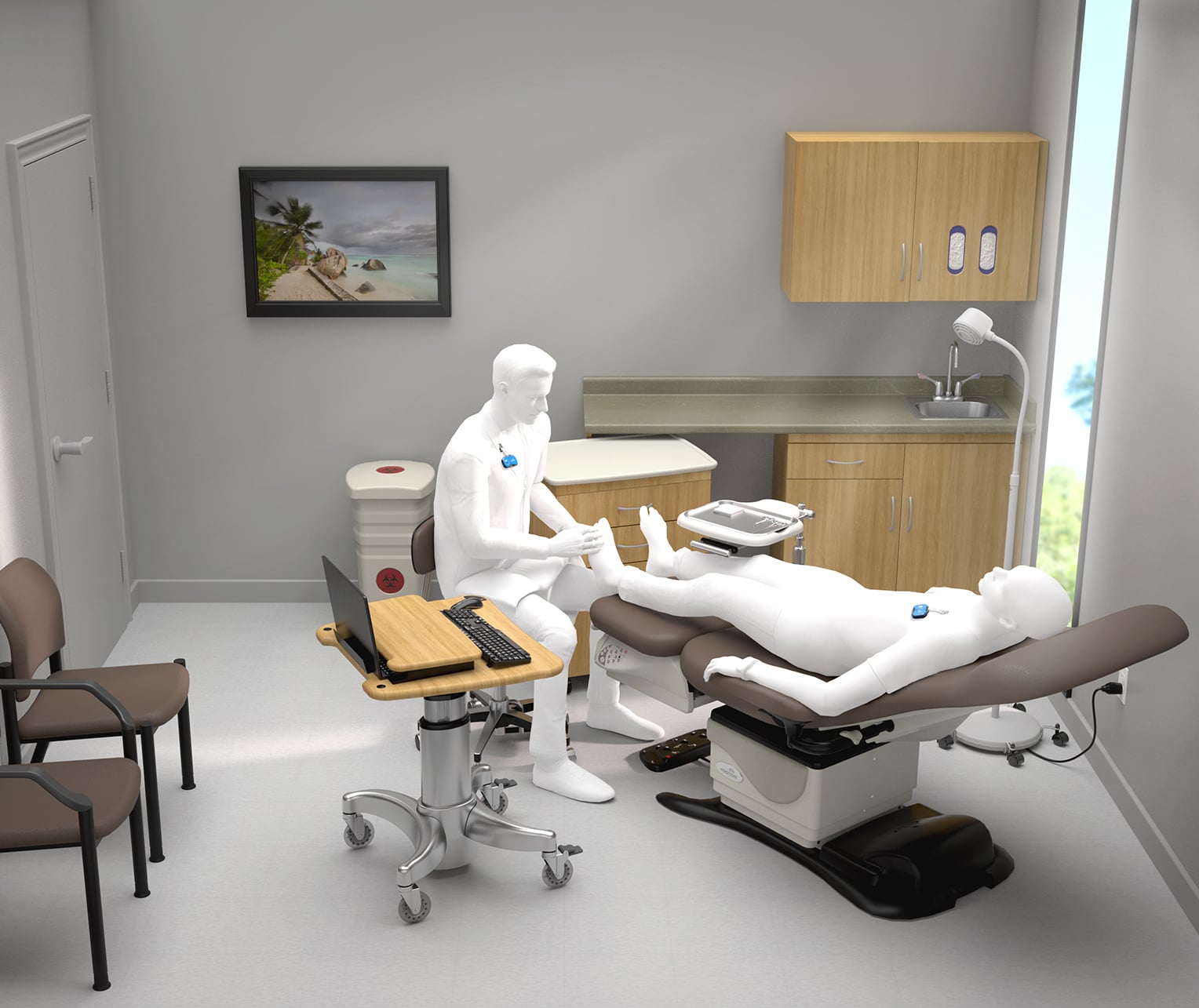 Podiatry WorkflowThe integration of new technologies and advancements with in-office procedures are shaping the future of the podiatry practice. Function, efficiency and versatility are key to an effective podiatry room design—and at the center of it all is the procedure zone. The design of this workflow addresses the many needs of the podiatry procedure zone.
- Americans with Disabilities
- Real-Time Locating System
- Clinical Process Improvement
- Infection Prevention
-
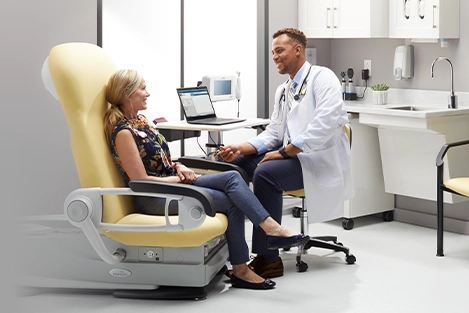
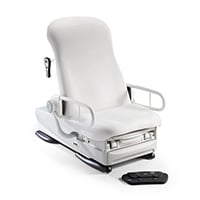
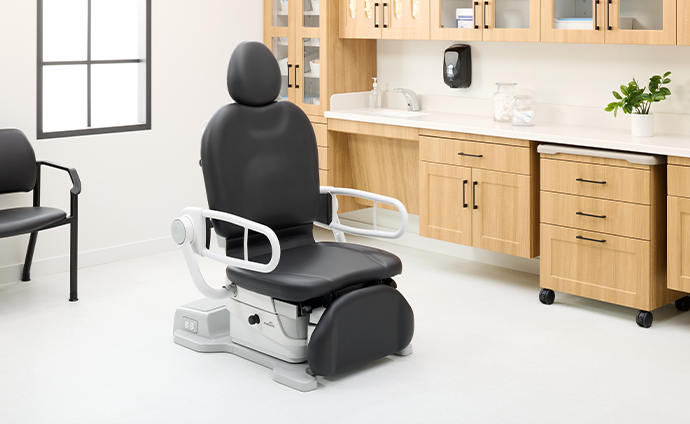
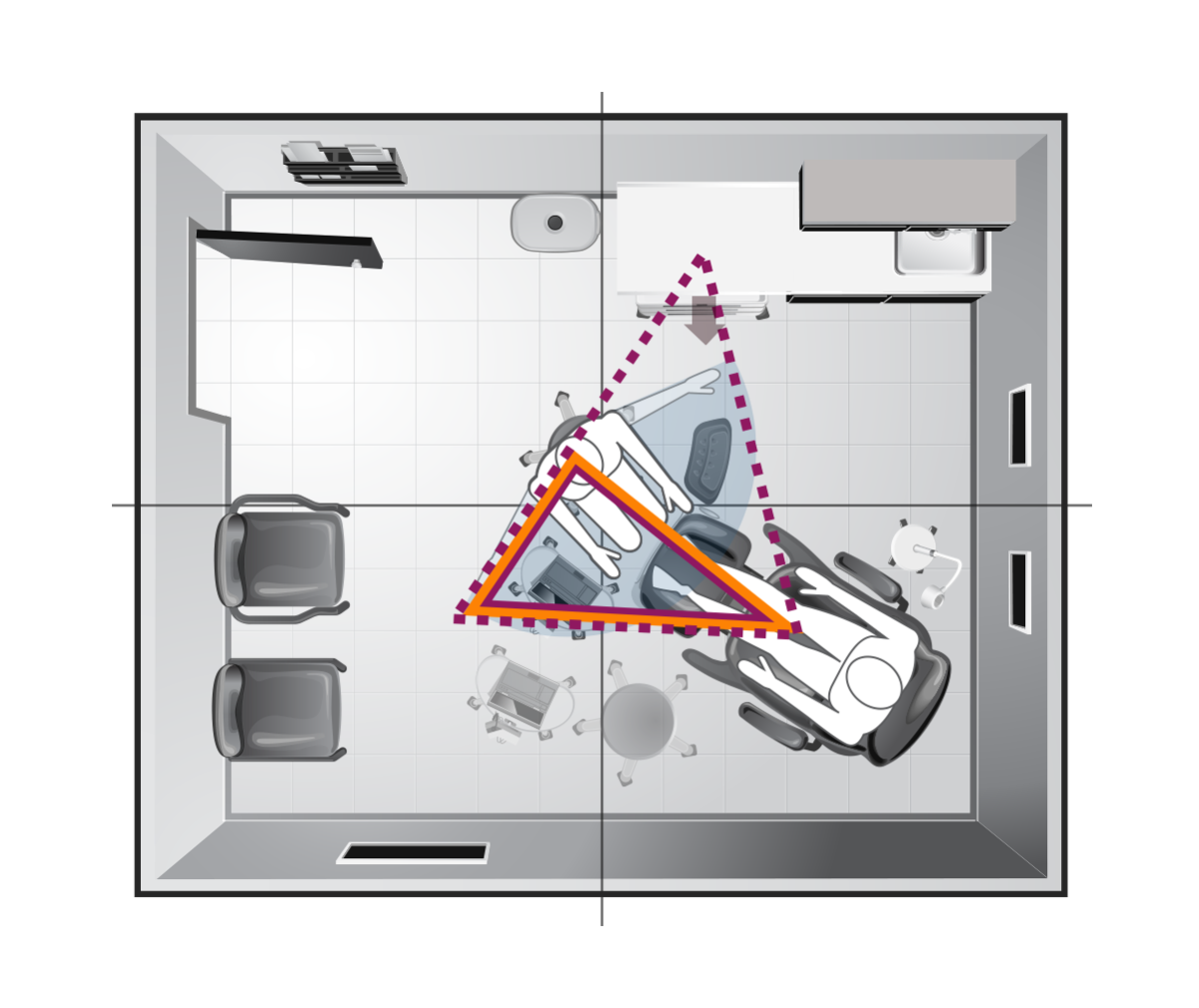 Procedure Zone FlexibilityThe procedure zone puts the caregiver in the center. While the cart for primary instruments and supplies can be stored under the countertop and out of the way, during procedures it is moved to either side of the caregiver. This helps to maintain a short reach zone. An instrument tray attached to the procedure chair supports instruments and supplies or mobile devices.
 -
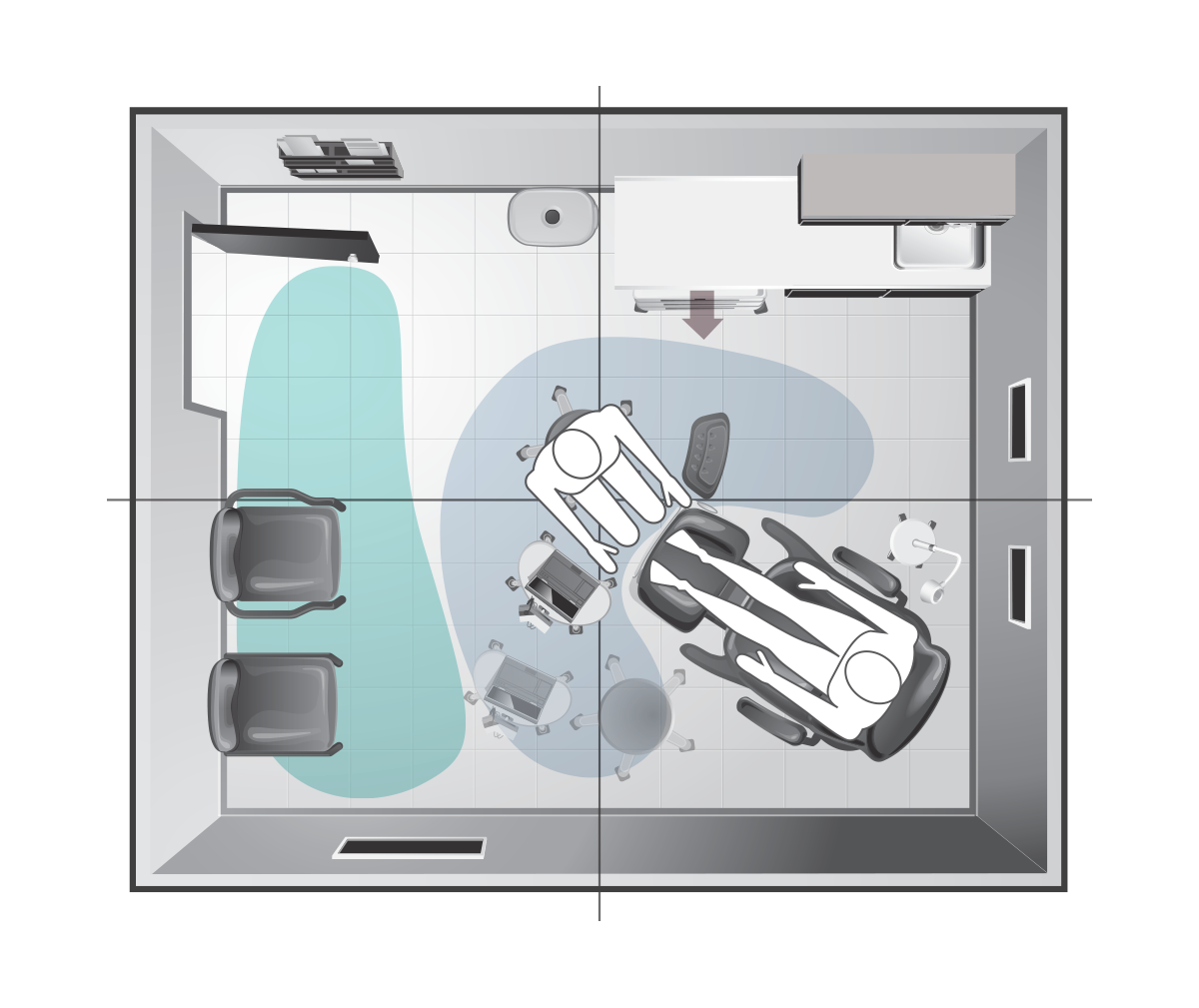 Public/Private ZonesThe family/visitor zone, also known as the public zone, does not encroach on the movement of the caregiver. It includes displays for educational brochures and related care products and is clearly separated from the procedure zone.
-
 Clinical Process Improvement
-
 Americans with Disabilities
-
 Real-Time Locating System
-
 Infection Prevention
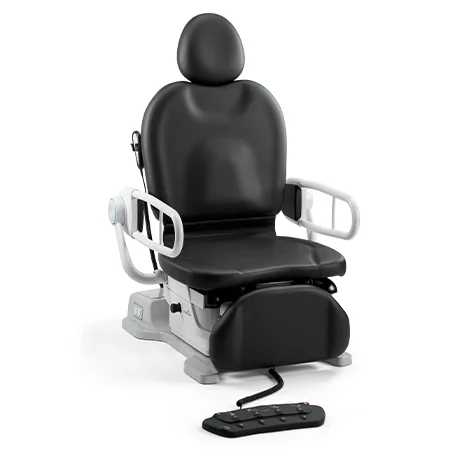
The height-adjustable podiatry chair decreases the need for manually lifting and repositioning patients. The center of the room is kept open to allow a 60-inch wheelchair turning area. There is also ample room for patient egress.
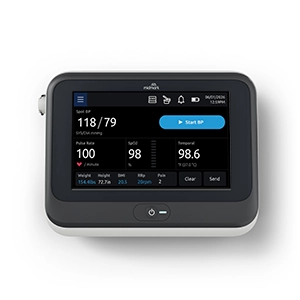
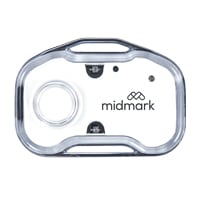
Use of RTLS for a patient flow optimization and self-rooming can assist in waste reduction efforts that help eliminate costly bottlenecks.
The podiatry chair is positioned at an angle, which provides more effortless access to the foot area for the caregiver—whether in a seated or standing position. The room also provides an abundance of streamlined, well-organized storage.
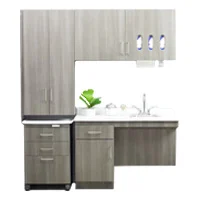
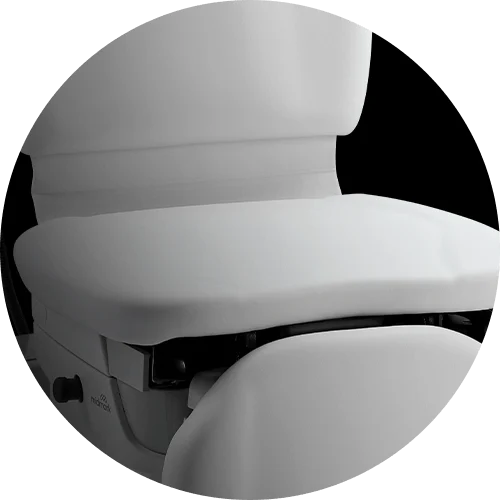
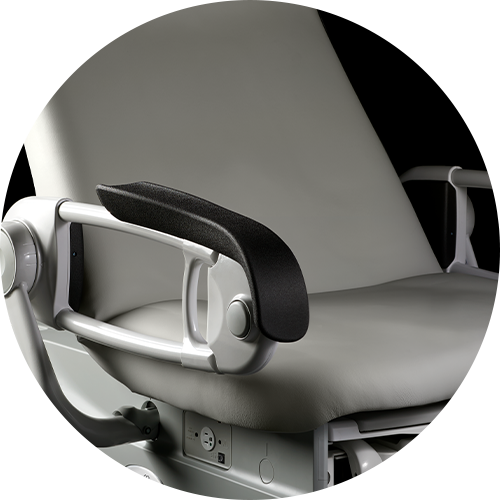
Use of a self-rooming workflow reduces exposure to contagions. RTLS automates contact tracing. Seamless upholstery, sealed hand controls and covered glides as well as seamless door and drawer cabinetry finishes, tub-style drawers and solid surfaces also help simplify cleaning.
The height-adjustable podiatry chair decreases the need for manually lifting and repositioning patients. The center of the room is kept open to allow a 60-inch wheelchair turning area. There is also ample room for patient egress.
Use of RTLS for a patient flow optimization and self-rooming can assist in waste reduction efforts that help eliminate costly bottlenecks.
The podiatry chair is positioned at an angle, which provides more effortless access to the foot area for the caregiver—whether in a seated or standing position. The room also provides an abundance of streamlined, well-organized storage.
Use of a self-rooming workflow reduces exposure to contagions. RTLS automates contact tracing. Seamless upholstery, sealed hand controls and covered glides as well as seamless door and drawer cabinetry finishes, tub-style drawers and solid surfaces also help simplify cleaning.
The height-adjustable podiatry chair decreases the need for manually lifting and repositioning patients. The center of the room is kept open to allow a 60-inch wheelchair turning area. There is also ample room for patient egress.
Use of RTLS for a patient flow optimization and self-rooming can assist in waste reduction efforts that help eliminate costly bottlenecks.
The podiatry chair is positioned at an angle, which provides more effortless access to the foot area for the caregiver—whether in a seated or standing position. The room also provides an abundance of streamlined, well-organized storage.
Use of a self-rooming workflow reduces exposure to contagions. RTLS automates contact tracing. Seamless upholstery, sealed hand controls and covered glides as well as seamless door and drawer cabinetry finishes, tub-style drawers and solid surfaces also help simplify cleaning.