



Accurate Blood Pressure Measurement: Why It Breaks Down in Everyday Practice

By:
Marketing Manager, Midmark Medical












We See It
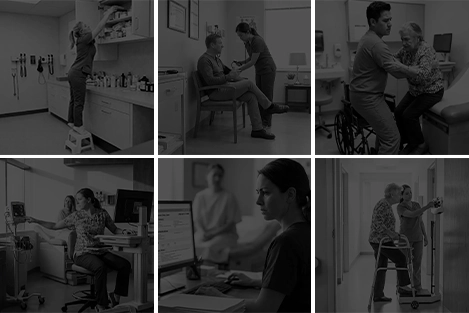
Rethinking the Exam Room - AIA Credit
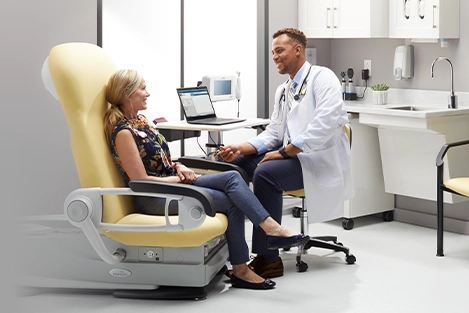
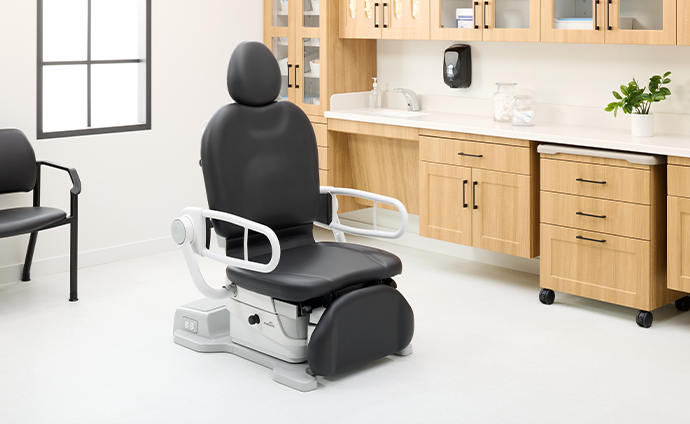
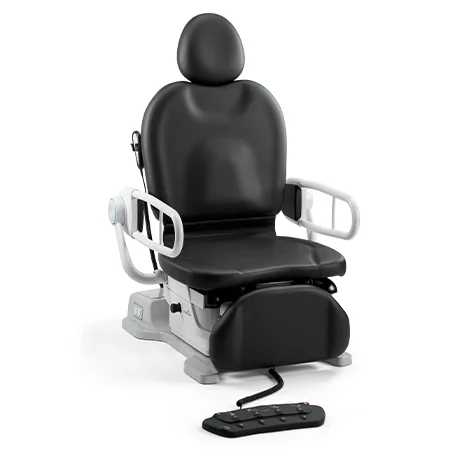
The right procedure room equipment can make a crucial difference in both patient outcomes and caregiver safety. Particularly for patients...
Explore the 631 Procedure Chair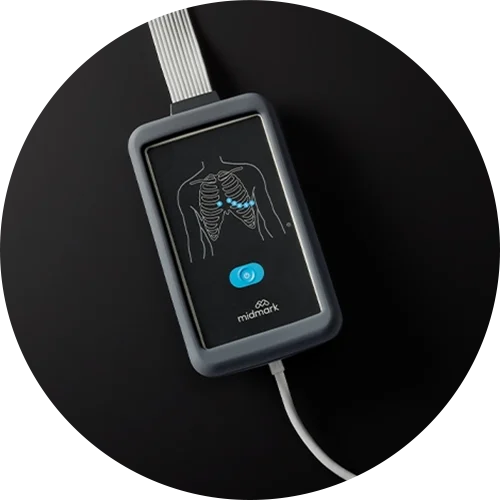










By:
Marketing Manager, Midmark Medical
Of all the vital signs captured at the point of care, blood pressure has one of the strongest connections to diagnosis, risk stratification and medication decisions.
Hypertension management.
Cardiovascular risk reduction.
Renal disease monitoring.
Diabetes management.
Small differences in readings influence clinical pathways.
The SPRINT Trial demonstrated that lowering systolic blood pressure to less than 120 mmHg reduced cardiovascular events by 25% in high-risk patients. When millimeters of mercury matter this much in research, they matter in everyday practice. And yet, in ambulatory care, accurate blood pressure measurement still breaks down. Why?
Established guidelines from the American Heart Association outline how blood pressure should be captured:
Many clinicians may know this. But everyday clinical workflow can introduce variability. Blood pressure measurement errors can be grouped into four categories:
Common behaviors can significantly elevate readings:
These are not rare events. They are routine realities in busy clinics.
Even small technique drift can shift diagnostic classification.
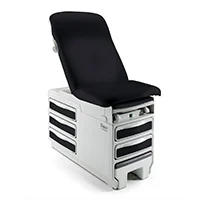
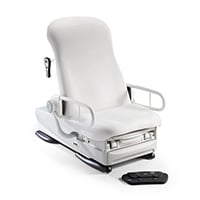
When the room setup does not support the protocol, variation becomes predictable.
Manual entry of vital signs produces measurable documentation errors. Over time, those small inaccuracies accumulate.
The CORRECT BP study examined the impact of proper patient positioning on blood pressure readings. When measurements were taken on a fixed-height exam table—without proper back support, feet flat positioning or arm support with cuff at heart height—readings were significantly higher.
On average:
That difference is clinically meaningful. The results support estimates that as many as 30 million Americans may be incorrectly classified as hypertensive due to positioning errors alone. This is not about clinician competence. It is about system reliability.
In ambulatory care, blood pressure is usually captured at the start of the visit. That moment competes with:
Five minutes of rest can feel operationally expensive. Repeat measurements can feel disruptive. Proper patient positioning can feel inefficient in rooms not designed for it. Without a standardized blood pressure protocol embedded into workflow, shortcuts become normalized. And normalized shortcuts can become variability.
Blood pressure readings drive:
Even modest overestimation can affect a significant portion of the US population.
Overtreatment carries financial costs.
Misclassification carries clinical risk.
Inaccuracy can erode patient trust.
An accurate blood pressure reading sets the foundation for clinical decision-making. When measurement breaks down, downstream decisions are affected.
If…
Then accurate blood pressure measurement cannot rely solely on education. It must be supported by equipment and workflow design.
Standardized workflows.
Positioning-conscious environments.
Point of care equipment that supports adherence to clinical guidelines.
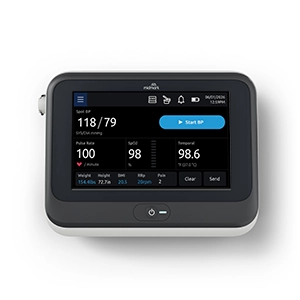
Connected systems that reduce manual error.
Because one reading can influence diagnosis—and sometimes, everything that follows. Explore how standardized protocols and a connected exam room ecosystem can help support accurate blood pressure measurement—consistently and efficiently. Learn more about the Better BP® initiative.