




Managing Cardiovascular Health Comes Down to Having Accurate Numbers

By:
Director of Marketing, Midmark Medical












We See It

Rethinking the Exam Room - AIA Credit
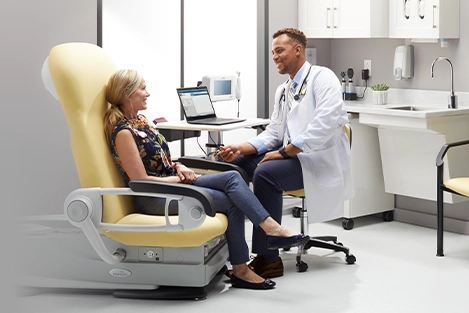
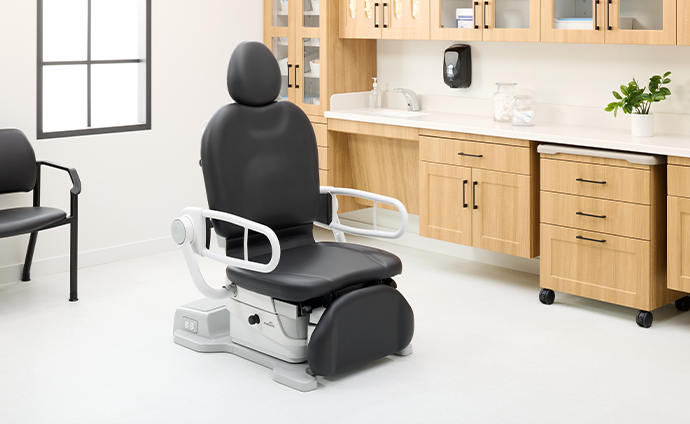
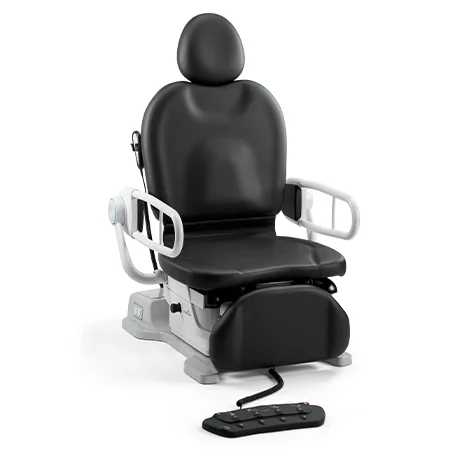
The right procedure room equipment can make a crucial difference in both patient outcomes and caregiver safety. Particularly for patients...
Explore the 631 Procedure Chair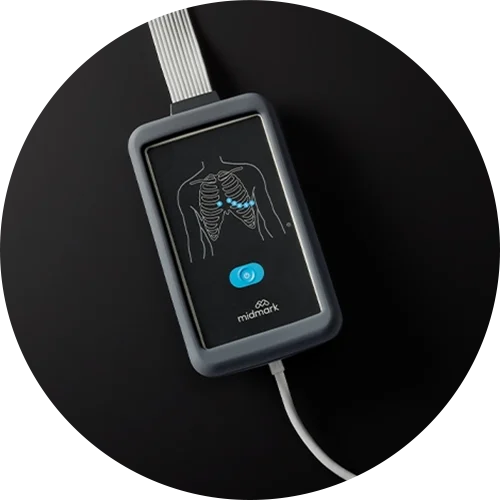










By:
Director of Marketing, Midmark Medical
This February as we celebrate Heart Month and raise awareness about cardiovascular health, the number to remember is 30 million. This is the number of Americans who may be incorrectly classified as having hypertension.
Correct BP, a Midmark-funded independent study on blood pressure (BP) measurement, found that adhering to positioning guidelines recommended by the American Heart Association (AHA) resulted in substantially lower BP values when compared to commonly employed technique and improper positioning.
The observed benefit of is sufficient to change the classification of BP disorders for millions of patients from hypertensive to normal. The results of the study support estimates that as many as 30 million or more Americans may be incorrectly classified as having hypertension.
Typically, much of the discussion around Heart Month focuses on the importance of patients “knowing their numbers.” This is important, as it helps empower patients to take ownership and proactively manage their health and prevent chronic diseases. By tracking key metrics like blood pressure, patients can make informed decisions and lifestyle changes, as well as work closely with providers to reduce risk factors.
However, it is equally important to ensure that those numbers are accurate. Some of this inaccuracy can be attributed to the fact that blood pressure fluctuates throughout the day and is influenced by stress. This is why white coat syndrome, where patients feel stressed or anxious in a medical environment, can raise BP readings temporarily. It is also why BP measured in ambulatory care environments can vary wildly from visit to visit.
As the CORRECT BP study shows, proper patient positioning can have a clinically significant impact on BP readings. The study found that AHA and SPRINT recommended positioning resulted in substantially lower BP values when compared to improper positioning. BP readings taken on a fixed-height exam table where the proper AHA protocol could not be achieved were higher than readings taken using the proper technique with the patient seated in an exam chair with adjustable positioning options.
Pooled systolic/diastolic BP readings taken on the exam table with incorrect positioning were significantly higher by 7.0/4.5 mmHg (both p<0.0001) than those taken in the exam chair. These results demonstrate that following patient positioning guidelines for obtaining BP readings is critical for more accurate BP measurement.
This is not intended as a criticism of healthcare providers’ current measurement processes. It is a reminder that even with something as seemingly routine as BP measurement, there is the risk of human errors and inaccuracies occurring when proper protocols are not followed. These avoidable errors are significant enough to impact clinical decision-making and may lead to instances where patients could be overmedicated.
In fact, the Lancet Commission on Hypertension identifies inaccurate BP measurements as the leading cause of misdiagnosis and treatment of hypertension worldwide.
The next few blog posts take a deeper dive into the issue of inaccurate numbers, including why resting BP matters, how to effectively change BP techniques and the clinical and economic consequence of BP inaccuracy.
To learn more, visit the .