





















Reducing Clicks + Increasing Clarity: Automating Location Updates in Epic

12/5/2025
While electronic medical record (EMR) systems make it easier for health systems to exchange information, the administrative burden that can accompany them is leading to increased burnout among clinicians.
According to one recent report, 32% of nurses experiencing symptoms of burnout in 2024 cited their EMR as a contributor.1 Another study found that the EMR was identified as a contributor for nearly 75% of physicians who reported burnout symptoms.2 With some estimates putting the average number of mouse clicks that physicians use to enter data into the EMR at up to 4,000 during a busy 10-hour shift in the emergency department,3 the “click fatigue” problem in healthcare is real.
One factor contributing to this EMR overload is the manual data entry that’s required to keep track of where patients are, associate equipment to patients, document patient-staff interactions and timestamp patient care milestones. While they may not be the most noticeable part of the problem, these manual updates can be error-prone and time-consuming, making them an often overlooked source of inefficiency in care settings.
Moving Beyond Manual
When manual entry is required to keep track of the flow of staff, patients and equipment, staff must manually update patient room and bed status or log movement as patients move from one stage of care to the next. Delays or missed updates in that information can cause operations issues ranging from bottlenecks and incorrect data for reporting to miscommunication and rework.
The Midmark CareFlow™ RTLS EMR Interface to Epic streamlines workflows by automating location-based data entry—leading to better staff efficiency, data accuracy and care coordination.
Transforming How Patients, Staff and Equipment Flow
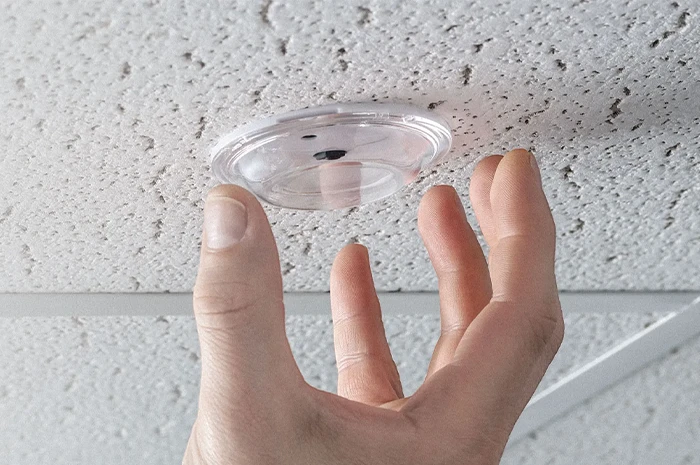
The CareFlow real-time locating system (RTLS) integrates with Epic using HL7 standards to automate data entry based on patient, staff and equipment location. It loads real-time location updates directly into Epic through two main interface components.
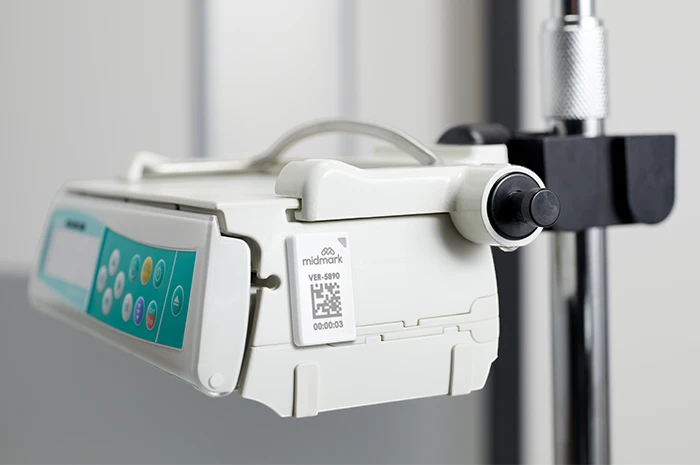
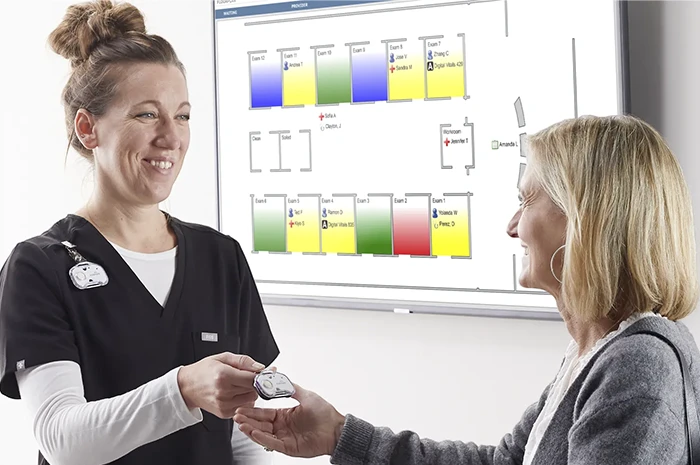
An inbound badge assignment interface to CareFlow from Epic simplifies patient tracking by assigning Midmark RTLS badges directly in Epic, without duplicate data entry into the RTLS. When staff enter the Midmark RTLS Badge ID in the Epic tag field upon patient arrival, Epic automatically sends applicable patient data to CareFlow. And the outbound CareFlow interface to Epic enables real-time location updates and timestamps in Epic modules such as Grand Central, OpTime, ASAP, MyChart Bedside and more.
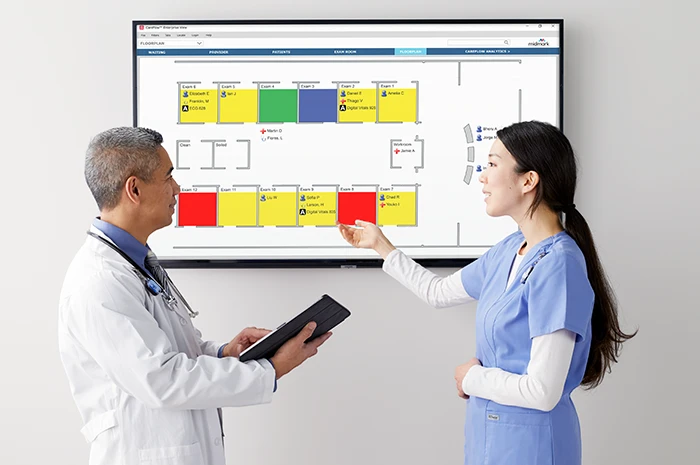
Together, these interfaces allow clinicians to view patient, staff and equipment location in Epic to keep the entire care team up to date. Automating patient bed assignments and transfers based on patient location improves patient flow and staff productivity. When a patient’s location changes to a new unit (e.g., to MedSurg from ICU), the bed assignment is automatically updated. Environmental Services is notified for room cleaning when a patient is transferred (location change) or discharged (patient badge placed in a Midmark RTLS drop box) and bed status is automatically updated.
The system also uses location data to automatically timestamp patient events in the EMR (e.g., patient arrival/departure from the operating room) to accurately document the patient experience and reduce manual data entry. The Epic OpTime module provides stage communication via a status board for staff and a waiting room view to keep family up to date on progress throughout a procedure. The CareFlow RTLS integration reduces data entry and manual transcription errors by automatically documenting each stage using location data.
Other functionalities include:
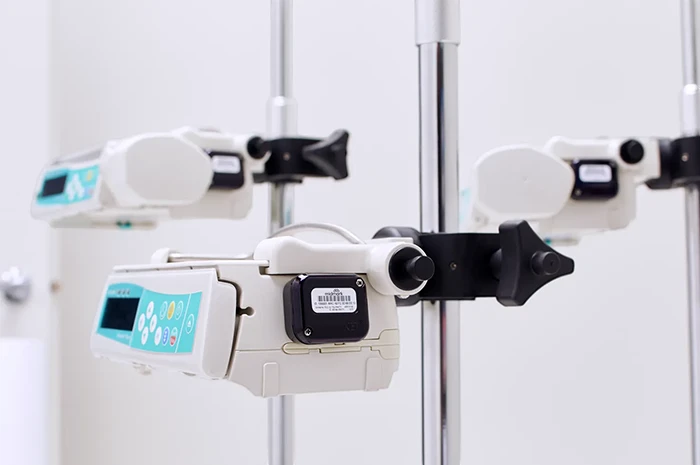
Suggesting associations in the patient chart when equipment is co-located with a patient
Displaying equipment near a patient’s assigned room
Listing available (not associated to a patient) equipment on a unit
Logging staff in Epic Monitor when entering the patient room
Displaying who saw the patient and who is with the patient in MyChart Bedside
Showing staff locations on the Grand Central unit map
Overall care team coordination improves with shared, accurate location context. One Florida hospital utilizing the CareFlow RTLS Epic interface reports it has seen positive ROI in many areas since implementing it in 2012. Through enhanced patient flow and communication, the system has dramatically reduced length-of-stay measures by 37% for children, 18.5% for discharged adults and 36% for admitted adults. The hospital has also achieved quicker room turnover, and increased cash collections by 45% based on their badge collection/discharge procedures.4
Small Interface, Big Impact
A growing number of health systems are discovering how this behind-the-scenes integration is delivering outsized benefits. CareFlow RTLS has received the Epic Toolbox designation for the RTLS category and is advancing toward the new Staff Duress category through meeting Epic’s recommended best practices, affirming our commitment to streamlining clinical workflows and enhancing patient care through innovative technology.
Automation supports faster, more informed decisions by providing clinicians with live visibility into patient and staff locations across departments. By leveraging this technology, healthcare staff are experiencing fewer clicks, fewer delays and fewer data entry errors—with measurable time savings per patient encounter and task.
Ready to discover how CareFlow RTLS can help streamline your operations? Contact us to learn more.
Epic, Grand Central, OpTime, ASAP and MyChart are trademarks or registered trademarks of Epic Systems Corporation.
1 “KLAS Arch Collaborative Nursing Guidebook 2024.” KLAS Research. August 2024.
2 “The Influence of Electronic Health Record Use on Physician Burnout: Cross-Sectional Survey.” Journal of Medical Internet Research. July 2020.
3 ”4000 clicks: a productivity analysis of electronic medical records in a community hospital ED.” The American journal of emergency medicine. November 2013.
4 “CareFlow EMR Interface to Epic Case Study.” Midmark RTLS. July 2025.