


























Establishing an Effective Instrument Processing Workflow in the Dermatology Space

By:
Senior Marketing Manager, Midmark Medical
March 9, 2026
Why instrument processing workflow matters in dermatology
Instrument processing (IP) is a critical part of infection prevention and patient safety in dermatology practices. From routine biopsies to cosmetic procedures, dermatology offices rely on reusable medical instruments that must be properly cleaned, disinfected and sterilized to prevent infection transmission.
Deficient instrument reprocessing can result in surgical site infections (SSIs), transmission of bloodborne pathogens, outbreaks linked to contaminated equipment and regulatory penalties and liability exposure. It can even cause long-lasting damage to a practices’ reputation and a loss of patient and staff trust. Patients want assurances that necessary precautions are taken to ensure a safer healthcare experience—clinicians and staff want the peace of mind a safe working environment can provide.
While hospital-based sterile processing departments operate with extensive infrastructure, dermatology practices often deal with unique operational and resource allocation challenges as they try to manage consistent and validated IP in smaller, office-based settings. At a time when the industry is experiencing staffing issues, declining reimbursements, financial pressures and growing competition from private equity-backed, corporate-owned practices, one unfortunate IP misstep can have a significant negative impact.
Five critical steps of a dermatology instrument processing workflow
Ideally, the IP space should be a separate and distinct area designed specifically for sterilization and processing instruments. This separation allows easier control and management of the process and helps ensure safety and an efficient workflow. The area should not share space with a staff breakroom or be located in a storage room.
Regardless of the size and shape of the IP area, there are five critical steps, based on guidelines from the Centers for Disease Control and Prevention (CDC), that can help standardize IP workflow. Utilizing these five steps to standardize IP workflow, can make it easier to manage the process and maintain the standards needed for providing a safe healthcare experience.*
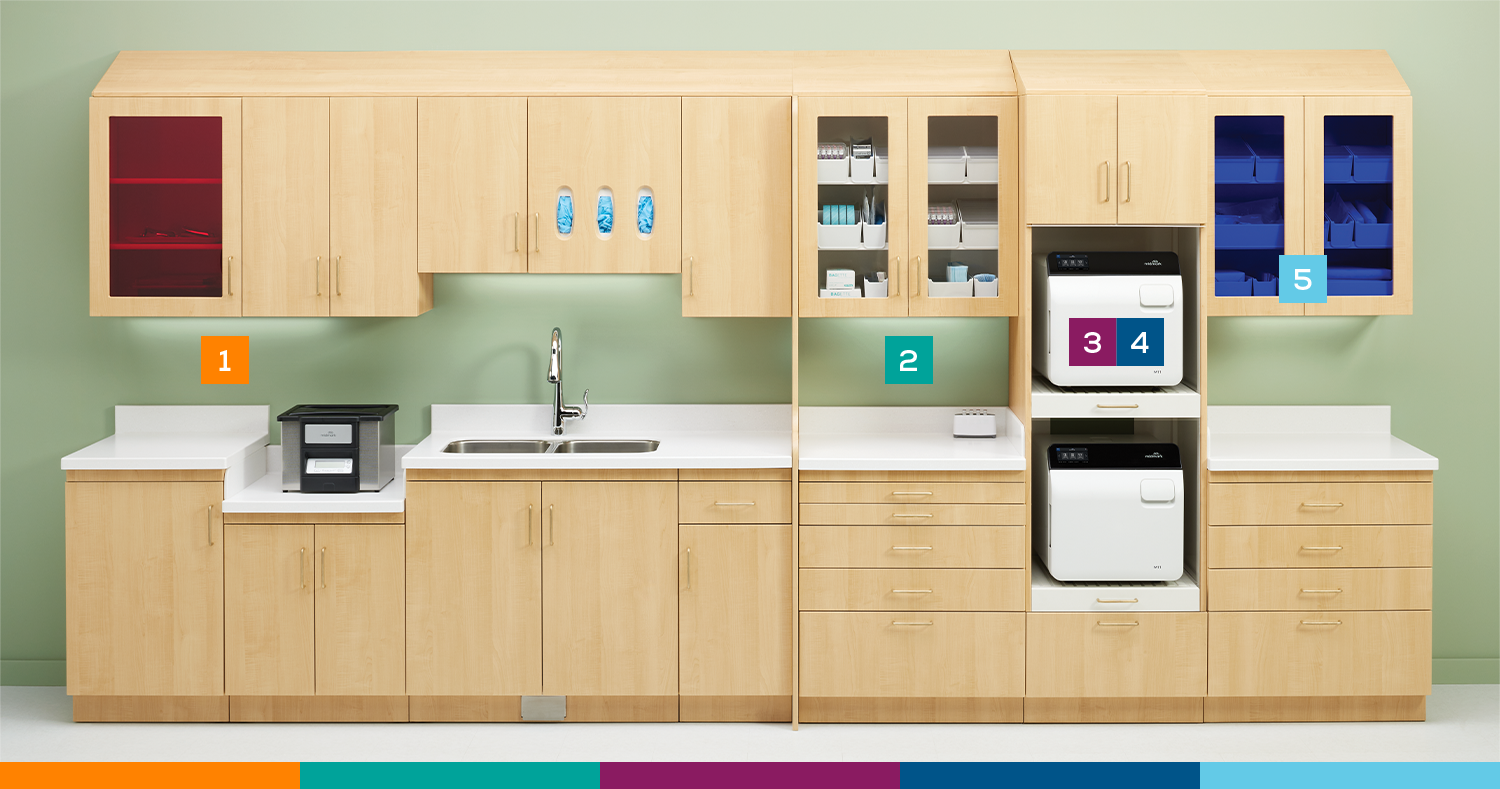
Receiving, Cleaning + Decontamination
Reusable instruments, supplies and equipment should be placed in appropriate containers at the point of use to prevent percutaneous exposure incidents (PEIs) during transportation to the IP area. All items should be received, sorted, cleaned and decontaminated of both macro- and microscopic debris in one section of the processing area.Preparation + Packaging
This area should be at least four feet from the previous section or have a barrier to prevent contaminants from entering the space as items are inspected, assembled into sets or trays, and wrapped or packaged for sterilization.Sterilization
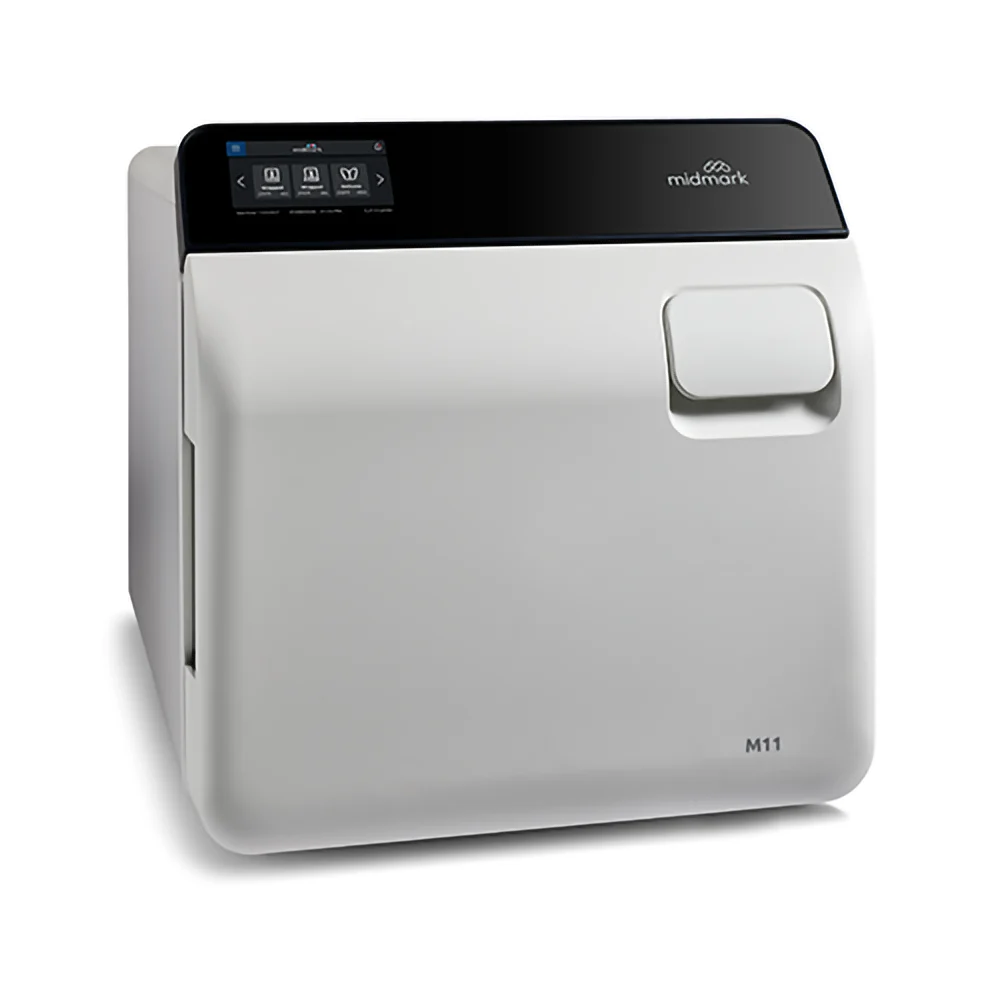
The area should include sterilizer(s) and related supplies with adequate space for loading, unloading and cooling down of instruments and other supplies. Thought should be given to the size and type of sterilizer(s) that will fit into the configuration of IP space.Monitoring/Sterility Assurance
This area needs to be configured to support documentation and recording of mechanical, chemical and/or biological monitoring utilized to help ensure the effectiveness of the sterilization process. Monitoring results and records need to be stored long enough to comply with federal, state and local regulations.Storage
The storage area should be covered and contain space for both sterile and disposable items. Supplies and instruments should not be stored under sinks or in other locations where they might become wet or damaged, or the packaging could be compromised.
Strengthening instrument processing in dermatology practices
Along with these five critical steps, there are also three important components that further strengthen IP.
Modular cabinetry created specifically for the medical environment, such as Synthesis® Cabinetry, can help ensure the workflow design of the IP area is organized efficiently. This makes it easier to control and manage the process and maintain safety standards. The right configuration allows staff to follow the dirty-to-clean workflow as recommended by CDC to help contain contamination and maximize the efficiency of the instrument cleaning and sterilizing process.
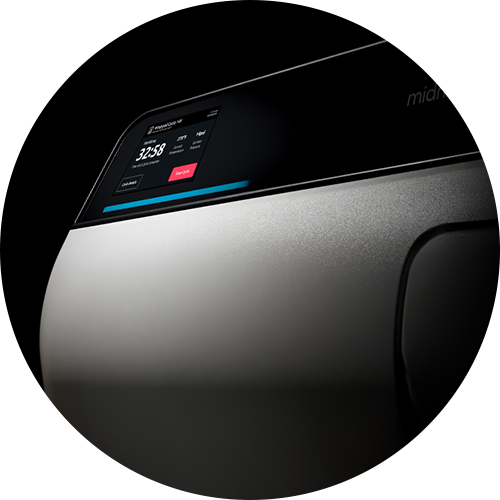
Sterilizers are often considered the focal point of any IP area. It is important to have the size, type and number of sterilizers that fit the needs of the practice or facility. Not all sterilizers are created equal, so understanding sterilizer functionality and features is important. Sterilizers should be easy to use to help ensure safety protocols are consistent and equipment is properly maintained and durable to reduce the frequency of required maintenance by users. They should also have a means for tracking sterilizer usage and physical performance for audit-ready record keeping.
Education is a must. Having the right IP workflow, cabinetry and equipment in place is only effective if clinicians and staff are appropriately educated. They need to understand how to properly use and maintain the equipment and workflow to help ensure IP benefits are maximized and compliance is maintained. Any training should be led by professional clinical educators and focus on proper device use, workflow efficiency and infection prevention compliance.
Contact us to learn how Midmark can help establish and strengthen your IP workflow.
* To ensure best practices, make sure to remove gross soil at the point of use in the exam room. This should be done prior to practicing the five steps within the dedicated sterilization space.