



























Redesigning Workflow at the Point of Care: What Efficiency Looks Like

By:
Director of Marketing, Midmark Medical
October 6, 2025
Better care starts with better-designed spaces
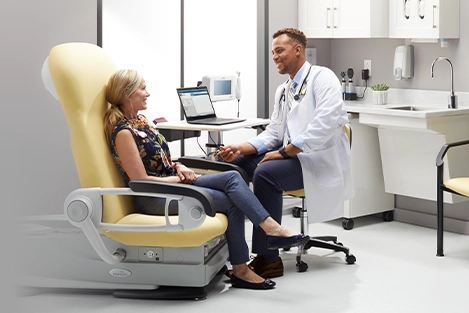
Picture this: A provider walks into the exam room. The patient is seated comfortably, the chair is positioned correctly, the blood pressure cuff is ready and the diagnostic tools are right where they should be. Instead of fumbling for supplies or logging into multiple systems, the provider can look the patient in the eye, start the conversation and begin care with confidence.
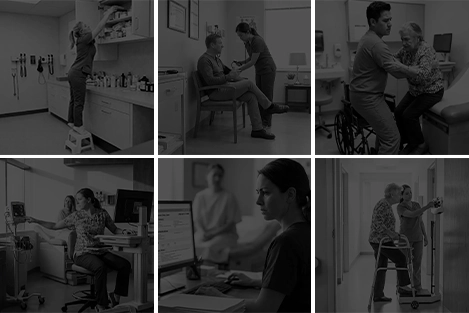
The clinical environment sets the tone for everything that happens at the point of care. But for many caregivers and patients, the exam room doesn’t feel like it was built for them. Too often, it feels outdated—designed for the past, not for today’s connected, team-based, value-focused care. The result? Layouts that don’t support digital tools, zoning that creates bottlenecks and rooms that feel more frustrating than healing.
The trouble with traditional layouts
Traditional exam rooms often place equipment where it fits in the space rather than where it functions. That means caregivers spend precious minutes searching, bending, moving and repeating—while patients wait. Consider these common challenges:
Poor zoning: Overlap between patient, provider and support areas can slow down workflow and interrupt the care process.
Disconnected tools: Without EMR integration, staff spend time transcribing or duplicating entries—time lost to both providers and patients.
Inefficient storage: Supplies hidden in deep cabinetry or scattered across multiple rooms lead to wasted motion and expired inventory.
For patients, these inefficiencies can feel like delays and distractions. For caregivers, they add up to fatigue, frustration and less time for meaningful care.
What efficiency looks like
A well-designed exam room isn’t just organized—it’s intentional. Efficiency at the point of care is built in:
Clear zoning: Distinct provider, patient and support zones help reduce cross-traffic and streamline interactions.
Ergonomics first: Equipment and placement support natural movement, reducing strain and rework.
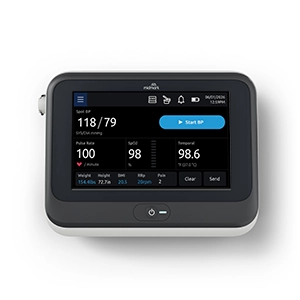
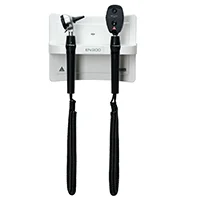
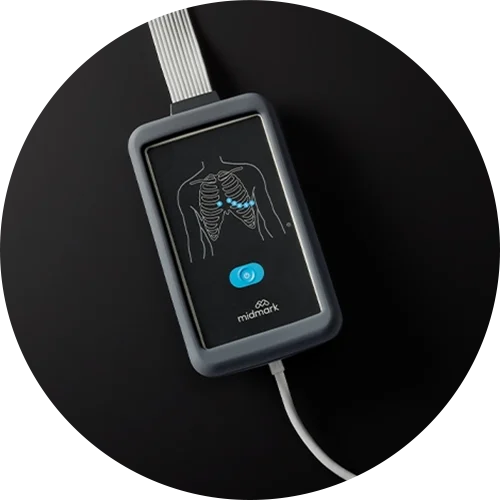
Integrated diagnostics: Automated vital signs and EMR connectivity reduce the likelihood of errors and free up staff for patient engagement.
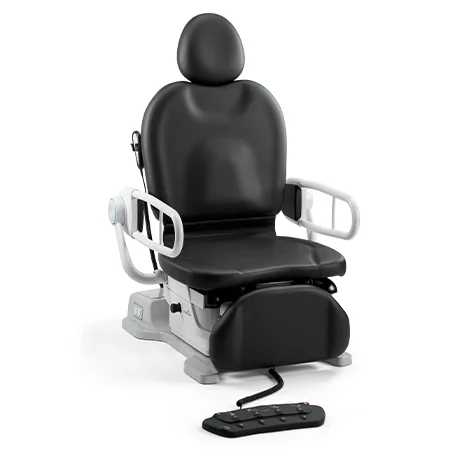
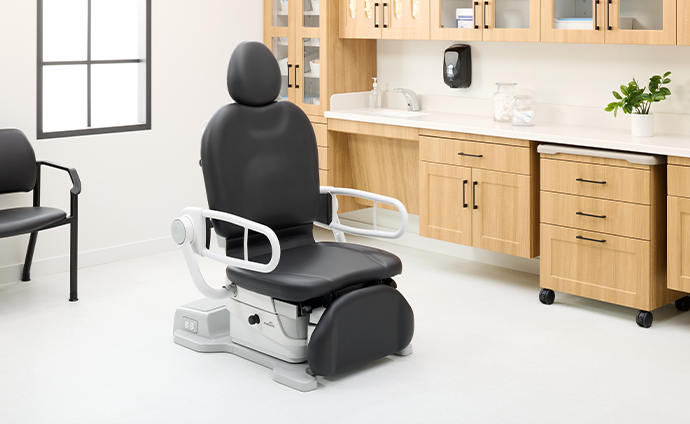
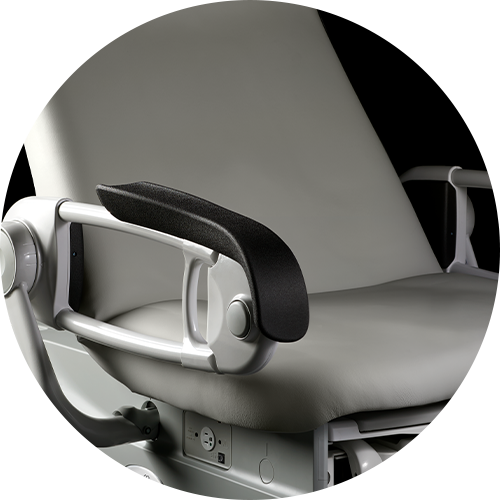
Point of Care Ecosystem: Using automated, EMR-connected devices in a point of care ecosystem with a height-adjustable exam chair and adjustable arm supports (designed for accurate, consistent blood pressure measurement), providers can capture more reliable data the first time, reducing repeat measurements and keeping the exam room workflow moving smoothly.
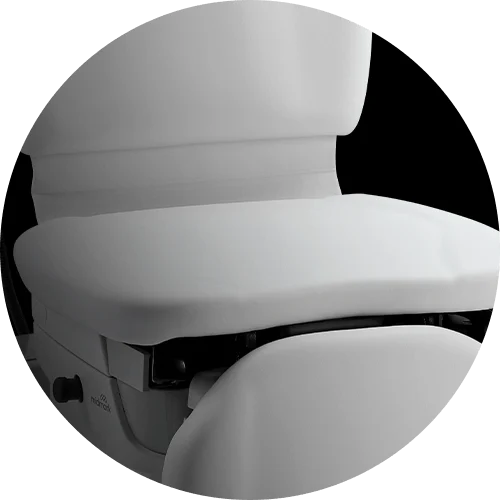
Accessible Equipment: US Access Board-compliant, height-adjustable exam chairs as well as compliant transfer and leg supports improve access, safety and comfort for both patients and providers.
Every detail is mapped to support consistency, speed and accuracy—making it easier for teams to focus on patient care, not logistics.
What efficiency feels like
Imagine walking into an exam room where everything is exactly where you need it to be. The patient is comfortable, the equipment responds seamlessly and the technology works quietly in the background. Instead of juggling tasks or worrying about missed steps, you feel supported—free to give your full attention to the person in front of you.
For patients, efficiency feels like being seen, not rushed. It feels like a smoother visit, less waiting and more meaningful moments with their provider. For caregivers, it feels like relief: less strain on the body, fewer interruptions, and more confidence that every detail is working in harmony.
Why it matters now
With ongoing staffing shortages and the shift toward value-based care, workflow optimization is no longer a “nice-to-have.” Every minute wasted in a poorly designed space is a minute of patient care lost. Inefficient design wastes time and money, adds to clinician burnout and can even impact accreditation measures tied to outcomes and patient experience. Research from the Mayo Clinic highlights that administrative complexity and poor operational design not only increase costs but also erode the meaning and purpose of clinical work, fueling burnout among providers. On the other hand, optimized exam room workflows can:
Give time back to providers
Reduce cycle times
Improve provider-patient interaction
Support better outcomes with fewer errors
Design has become a critical lever for healthcare organizations to stay resilient, competitive and future-ready.
Design with intention
That’s where the Midmark Design for the Point of Care approach comes in. By applying proven clinical zoning strategies and strategic equipment placement, Midmark helps healthcare teams plan for real-life efficiency. It’s not just about the four walls of the exam room—it’s about aligning space, technology and workflow into one connected, efficient and compliant system. Because when the environment supports you, you can give more of yourself back to your patients.
Download our free checklists to evaluate how your exam rooms align with best practices—and uncover opportunities for improvement.
Want to see it in action?
Explore our Point of Care Workflow Gallery »
Additional Reading:
Beyond the Exam Room: How Workflow Efficiency Drives Satisfaction and Retention
Providing More Value with Exam Room Design While Improving Patient Outcomes and Experiences
Four Design Features that Are a Must for Your Exam Room Cabinetry