

























How to Choose a Dental Sterilizer: What to Know about Capacity

By:
Sr. Marketing Manager, Midmark Dental
July 14, 2026
How to Choose the Right Sterilizer for Your Practice: Part 2
Regularly waiting for sterilization cycles to finish before beginning the next treatment or procedure is often a sign that sterilization capacity has become a workflow constraint.
In Part 1 of this series, we explored how to choose between sterilizer types. In Part 2, we’ll answer another important question: How many sterilizers do we need and what sizes?
This article is part of a five-part series covering the key considerations involved in selecting the right sterilizer for your practice, including:
- Which type of sterilizer do we need?
- How many do we need and what sizes?
- What makes a sterilizer easy to learn and use?
- Does the sterilizer help simplify compliance and reduce risk?
- What will it really cost long term?
How Much Sterilizer Capacity Does Your Dental Practice Need?
Having the right number—and the right size—of sterilizers can help keep instruments flowing efficiently, support practice growth and reduce unnecessary delays.
If hygienists are waiting for instruments, assistants are rearranging schedules around sterilization cycles or providers are delaying procedures because instruments aren’t ready, sterilizer capacity—not staffing—may be the limiting factor.
Too little capacity can create bottlenecks in instrument processing, delay patient care and increase the team’s workload. Too much capacity may mean investing in equipment you don't fully utilize.
The goal is to match your sterilization capacity to the needs of your practice today—while preparing for tomorrow.
Start with Your Current Workflow
Every dental practice is different, but a few questions can help determine the right capacity.
Consider:
- How many doctors and hygienists do you support today?
- How many instrument sets do you process each day?
- Are you using cassettes to organize your instruments?
- Are instruments available when clinicians need them, or are teammates waiting for sterilization cycles to finish?
If your team regularly waits for instruments, your sterilization capacity may already be limiting productivity.
Think Beyond Today’s Patient Schedule
When considering capacity, it's also important to look beyond your current patient volume and instrument availability. Are you planning to add providers or expand your schedule in the next few years?
Adding another hygienist, extending office hours or increasing procedure volume can quickly increase the number of instruments that need to be processed. Planning ahead now can help you avoid another equipment purchase sooner than expected.
In high-volume practices, sterilizer capacity isn't simply about convenience—it's about protecting workflow and maintaining efficient instrument turnaround throughout the day.
A Good Starting Point
Once you've evaluated your workflow and future growth, the next step is estimating the sterilization capacity your practice will likely need.
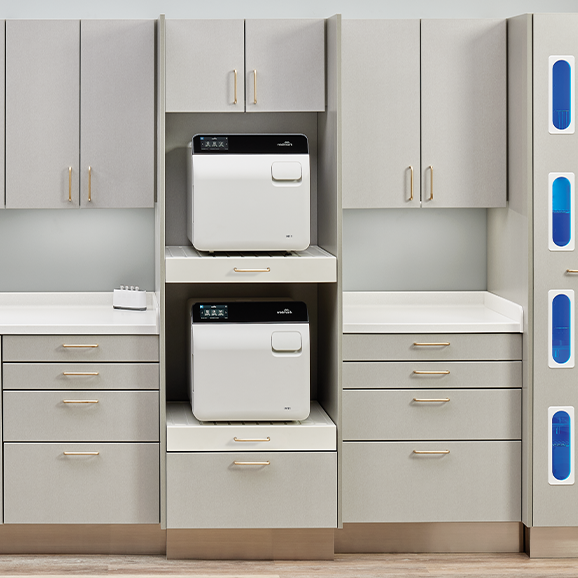
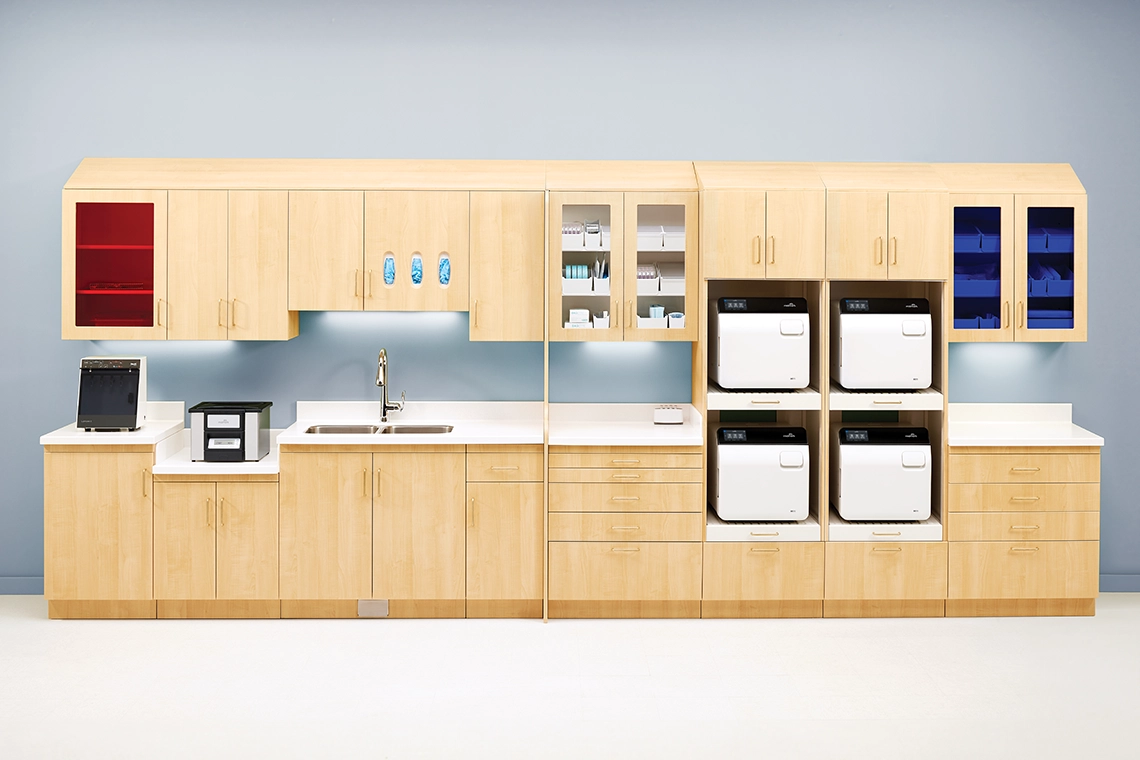
In many practices, multiple sterilizers provide greater flexibility than relying on a single large unit. If one sterilizer is occupied—or unexpectedly requires service—the others can continue processing instruments and help minimize workflow disruptions.
The following recommendations can serve as a starting point when evaluating your practice's sterilization needs.
| Practice Size | Recommended Sterilizer Quantity | Suggested Configurations* (with Midmark 11-inch and 9-inch sterilizers) |
|---|---|---|
| 1–2 Doctors, 2–4 Hygienists | 2 Sterilizers | 2 M11® Sterilizers –or– 1 M11 Sterilizer® + 1 M9® Sterilizer |
| 3 Doctors, 3–5 Hygienists | 3 Sterilizers | 3 M11® Sterilizers –or– 2 M11® Sterilizers + 1 M9® Sterilizer |
| 4 Doctors, 4–6 Hygienists | 4 Sterilizers | 4 M11® Sterilizers –or– 3 M11® Sterilizers + 1 M9® Sterilizer |
*Note: Midmark M11® sterilizers feature an 11-inch chamber, and Midmark M9® sterilizers feature a 9-inch chamber.
These recommendations provide a practical framework, but factors such as procedure mix, instrument inventory and office scheduling should also be considered.
Beyond Productivity
Having the right sterilization capacity helps support the entire practice by:
- Helping protect the patient experience with fewer appointment interruptions
- Supporting a more predictable clinical workflow and greater team confidence during busy days
- Providing room for future practice growth
When sterilization keeps pace with patient care, the entire team can work more efficiently.
Next Step: Find the Right Fit for Your Practice
Choosing the right sterilizer involves more than selecting the appropriate technology. It also means choosing the right capacity for your workflow and growth plans.
Every practice’s workflow is different. If you’d like help determining the right combination of sterilizer sizes for your team, instrument inventory and future growth plans, start a conversation with us today.
Start a ConversationKeep an eye out for the next article in the “How to Choose a Sterilizer” series about how to determine whether a sterilizer is easy to use—and easy to learn to use.