
























AUGUST 3, 2026
Part 3 of the “How to Choose a Dental Sterilizer” series
The sterilization center is one of the busiest workspaces in a dental practice. Team members may enter and exit the area 80 to 120 times per day as they clean, package, sterilize and prepare instruments for the next patient.
When those workflows are overly manual, inconsistent or difficult to learn, frustration can build quickly. New employees may require extensive training. Experienced team members may develop shortcuts over time. Small inconsistencies can become routine—and processing mistakes may follow.
That risk is real.
The Centers for Disease Control and Prevention (CDC) reported that in a study of approximately 1,300 dental practices:
- 68% of respondents believed they were sterilizing instruments correctly but were not following recommended procedures
- 12% of respondents used incorrect contact times
- 49% of respondents did not perform recommended biological testing
These findings don’t necessarily reflect a weak commitment to infection prevention. Rather, they illustrate how difficult it can be to consistently follow best practices in a fast-paced clinical environment.
That's why ease of use should be one of the key factors evaluated when selecting a sterilizer.
The Best Sterilizers Help Standardize Workflows
Sterilizers are often used by multiple people throughout the day. Dental assistants, hygienists, sterilization technicians and other team members may all interact with the same equipment.
Each person brings different levels of experience and training. New hires may be unfamiliar with your practice's protocols, while temporary team members may be accustomed to different equipment. Without a standardized process, it's easy for small variations to creep into daily workflows.
A sterilizer that guides users through each step can help create greater consistency regardless of who is operating it. Instead of relying entirely on memory, team members receive prompts that reinforce proper procedures every cycle.
That consistency can help simplify onboarding, reduce variability and give staff greater confidence that they're following established protocols.
Intuitive Equipment Helps Reduce Mental Workload
Busy clinical days leave little time to navigate complicated menus or search through user manuals.
An intuitive sterilizer should make common tasks simple by providing:
- Easy-to-understand touchscreen navigation
- Clear instructions throughout the sterilization process
- Language options that support your team
- On-demand training resources for new or infrequent users
These features may seem small individually, but together they can shorten the learning curve and help reduce interruptions throughout the workday.
Visibility Keeps Instrument Processing Moving
Every minute counts in a busy sterilization center.
If team members must repeatedly walk over to the sterilizer to check cycle status, those small interruptions can quickly add up.
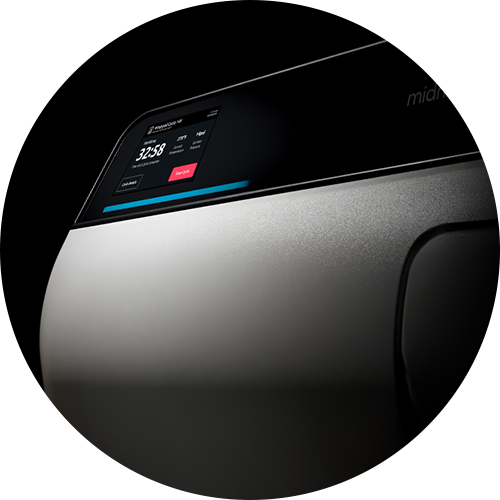
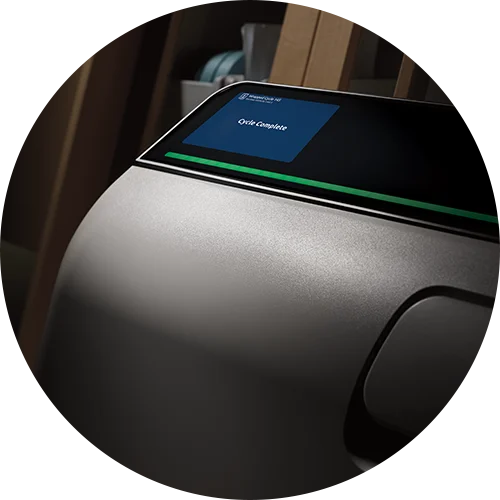
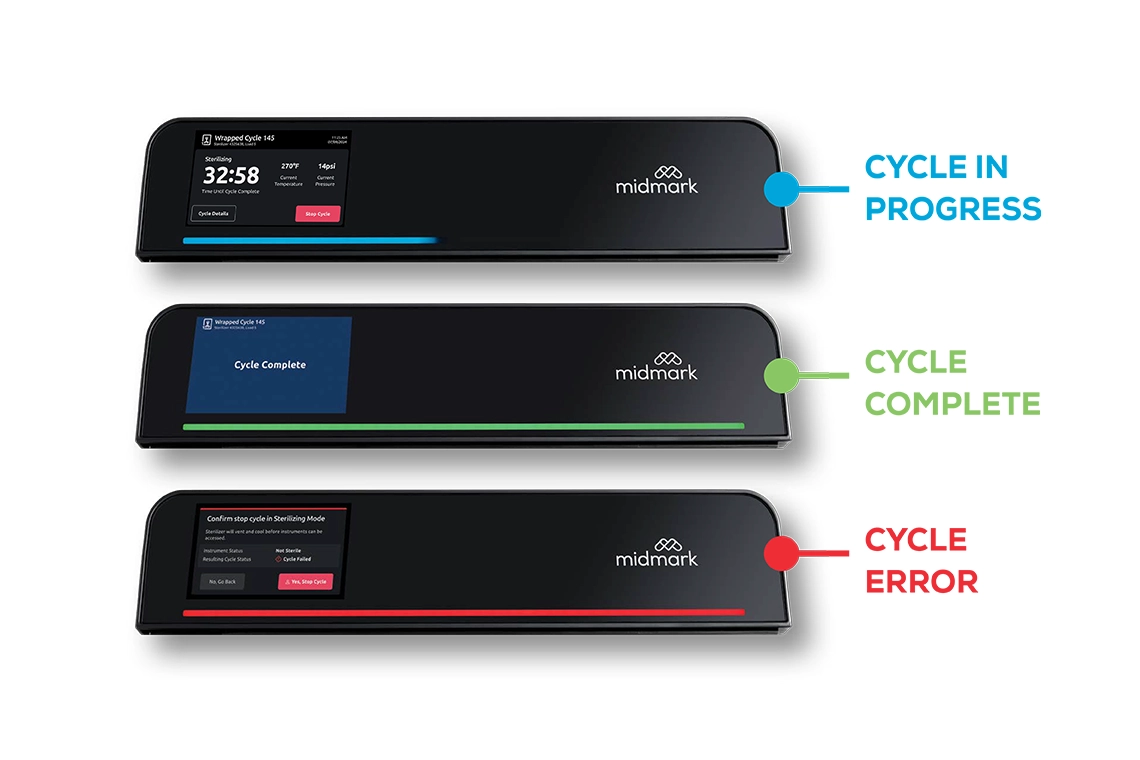
Instead, look for features that allow staff to monitor progress from across the room, such as:
- Highly visible cycle countdown timers
- Color-coded status indicators
- Easy-to-read notifications that communicate cycle status at a glance
Improved visibility allows team members to continue preparing instruments, turning over operatories or assisting patients while staying aware of cycle progress.
Questions to Ask Before Choosing a Sterilizer
As you compare sterilizers, ask these questions:
- How much training is required before someone can confidently operate the sterilizer?
- Are training resources easy to access when questions arise?
- Is the touchscreen intuitive and available in the language(s) your team needs?
- Does the sterilizer guide users through each step of the process?
- Does it prompt users to document indicator pass/fail results?
- Can staff easily monitor cycle status from a distance?
- Does it automate routine documentation to reduce manual recordkeeping?
The answers can have a meaningful impact on workflow efficiency, onboarding and day-to-day consistency.
Designed to Simplify Instrument Processing
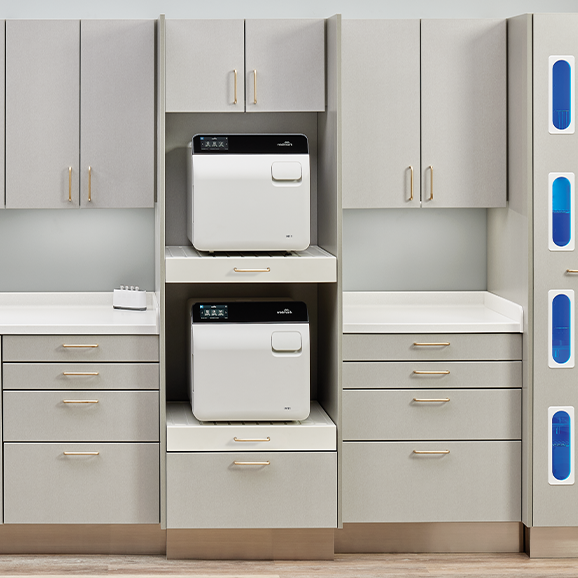
Next-generation Midmark® Steam Sterilizers are designed to help reduce training time, standardize workflows and simplify instrument processing through features such as:
- On-device tutorials that help reduce the burden of training
- Step-by-step prompts that guide users through a standardized workflow
- A fingerprint-resistant 5-inch touchscreen with English, French and Spanish language options
- Automated cycle records and routine care documentation that help simplify compliance
- A color-coded LED status bar and large cycle countdown clock that can be seen from across the room
The easier your sterilizer is to learn and operate, the easier it becomes for your entire team to process instruments consistently and confidently.
Choosing the Right Sterilizer Is About More Than Performance
Sterilization is one of the most important—and most frequently repeated—processes in your practice. While chamber size and cycle capacity matter, the day-to-day user experience matters just as much.
Choosing equipment that's intuitive, standardized and easy to monitor can help reduce variability, improve efficiency and support confidence across your team.
Next in our series: Learn how built-in compliance features and automated recordkeeping can help simplify documentation and support infection prevention protocols.