























The Cost of “Good Enough” Dental Operatories
March 12, 2026
When “Good Enough” Becomes Expensive
Many dental operatories function well enough to get through the day. Patients are treated. Procedures are completed. Schedules move forward.
But “good enough” often comes with hidden costs.
Equipment selected years ago based on familiarity, aesthetics or initial price may no longer support the physical and workflow demands of modern dentistry. As patient volumes increase and clinical expectations rise, those compromises can show up as clinician strain, workflow friction and inconsistent patient experiences.
Dental operatories shouldn’t simply function. They should actively support performance at the point of care.
The Real Cost of Settling in the Operatory
When dental operatory equipment isn’t intentionally designed around real-world clinical movement, the consequences ripple through the entire practice.
1. Clinician strain that builds over time
Dentistry requires sustained precision in static, forward-leaning postures. Research published in the Journal of Dental Hygiene reports that 96% of dental hygienists experience musculoskeletal pain at some point in their careers, while a meta-analysis published in PLOS ONE found that 78% of all dental professionals reported musculoskeletal pain within the past year.1,2
Common contributors include:
- Limited equipment adjustability
- Poor access positioning
- Repetitive reaching and micromovements
Over time, this strain can contribute to fatigue, reduced endurance and even career-limiting injury.
2. Workflow inefficiencies that slow the day
What may seem like minor equipment design constraints can create repeated interruptions throughout the day.
Performance-limiting design constraints often include:
- Limited vertical adjustability
- Lighting and delivery systems that shift when patients move
- Controls that require extra reach
These constraints often require repeated adjustments and repositioning during procedures.
Each adjustment may cost only seconds. But across a full schedule, those seconds easily compound into:
- Slower room turnover
- Schedule drift
- Increased team stress
The impact may feel small in the moment, but it adds up across the day.
3. Patient experiences that feel less than intentional
Patients may not recognize equipment design, but they notice the experience.
When clinicians are forced to rush transitions, compensate for awkward positioning or repeatedly adjust equipment mid-procedure, it can subtly influence patient perceptions of confidence and quality.
Clinical outcomes matter. But how the operatory performs also shapes how patients assess care.
These common challenges aren’t the result of poor technique. They stem from operatories designed to function, not perform. Performance matters because repeated inefficiencies compound into real costs—on bodies, on schedules and on the business.
Ready to Move Beyond “Good Enough”?
See how purposeful operatory design can help support better outcomes for your patients, your team and your practice.
Rethinking the Operatory as a Performance System
What if your operatory could do more than just get you through the day?
Next-generation Midmark Operatory Solutions are designed to elevate care and improve outcomes—for your patients, your team and your practice.
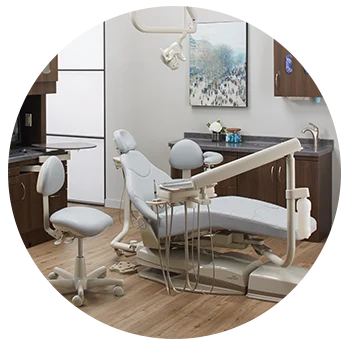
Developed as an integrated system, the chair, delivery system and light work together seamlessly to support how care is actually delivered.
Rather than adding complexity, each component is engineered to support:
- Ergonomic posture
- Workflow efficiency
- Consistent patient experiences
The next-generation operatory is not about innovation for innovation’s sake. It’s about purposeful design to help solve everyday clinical challenges at the point of care.
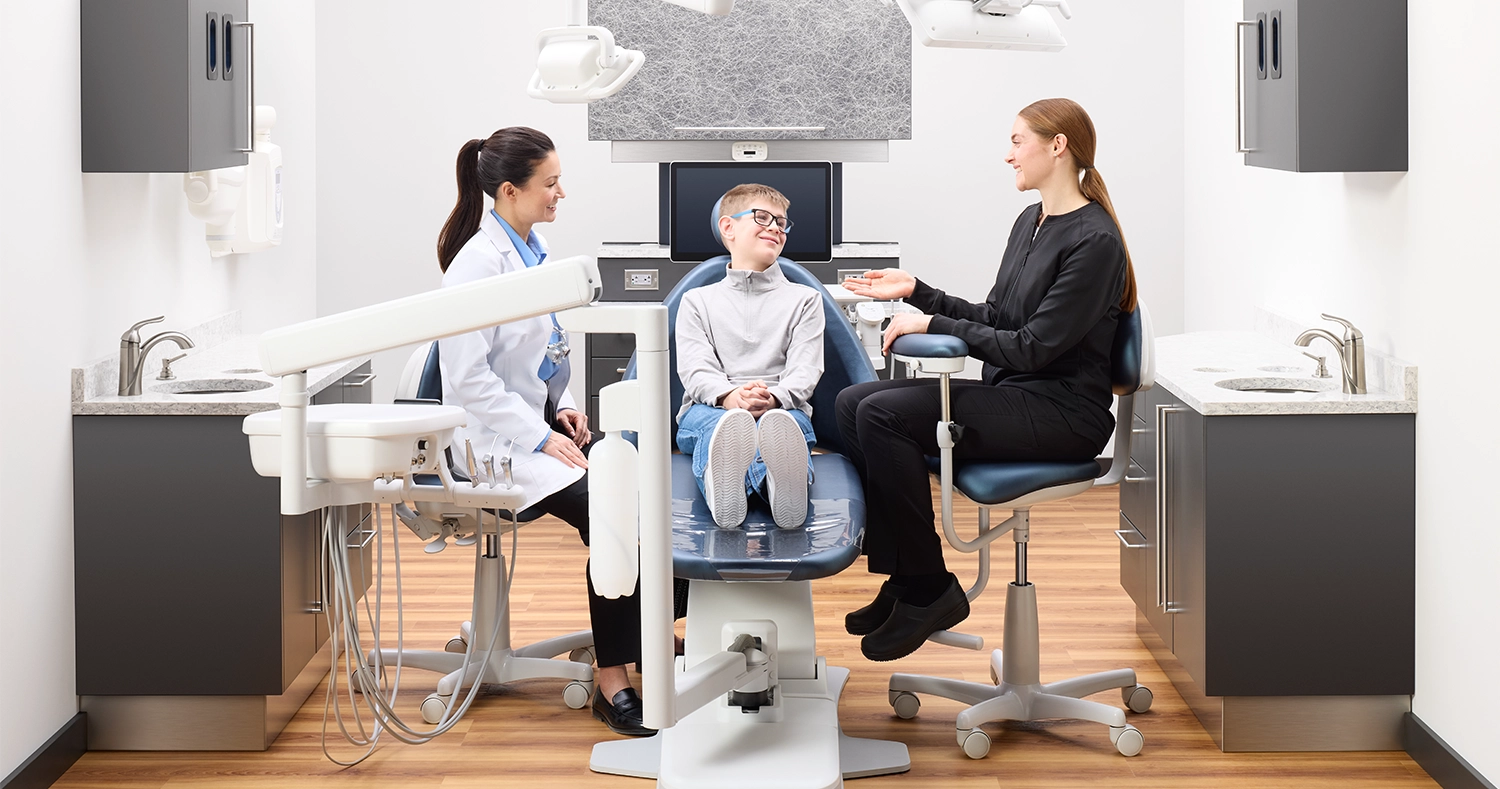
Comfortable Dental Chairs Designed for Ergonomic Posture
At the center of the operatory is the dental chair—where clinician ergonomics and patient comfort intersect.
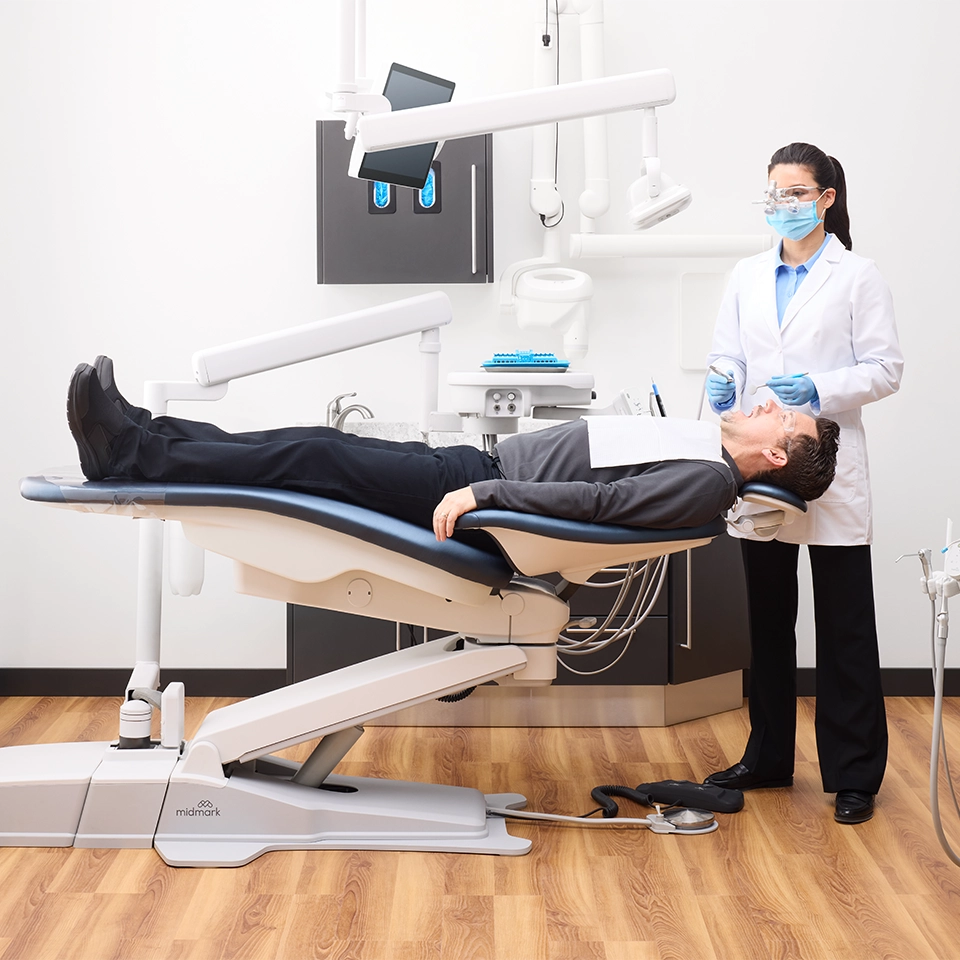
The Midmark Dental Chair offers an extensive vertical range of motion with less than six inches of horizontal traverse as the chair raises and lowers.
For clinicians, this range helps:
- Maintain proximity to the oral cavity
- Position comfortably whether seated or standing
- Support ergonomic posture across varying clinician heights
- Optimize smaller operatory spaces
For patients, smooth and stable actuator-driven movement helps create a more controlled, comfortable experience in the chair.
Stable Access to Light and Instruments
Both the Midmark Dental LED Light and Midmark Dental Delivery System left/right arms mount to the chair base, not the seat. As patients move or shift in the chair, this construction helps illumination and instrument access remain stable.
This steadiness helps:
- Reduce repeated adjustments
- Maintain procedural flow
- Support clinical focus
Subtle stability improvements can support workflow resilience.
Built-In Clinical Workflow Protection
Independent handpiece control and strategic internal design help contain issues to a single handpiece—so they don’t affect the entire delivery unit. When a fault occurs, care can often continue, helping minimize disruptions and keep schedules moving.
Individually, these design features may seem subtle. Together, they shape how the operatory performs—supporting clinician posture, enhancing workflow and reinforcing a consistent patient experience, procedure after procedure.
Moving Beyond “Good Enough”
Today’s dental practices operate under increasing pressure—higher patient expectations, tighter schedules and workforce strain.
Dental operatories should be equipped to handle those realities.
Next-generation Midmark Operatory Solutions are built to:
- Enhance patient comfort
- Support clinician health
- Streamline workflow
—without compromise. Because we believe when workflow and environment align, better outcomes are possible.
See What Purposeful Operatory Design Can Do
Visit midmark.com/next-gen-operatory to explore how smart operatory design can support your patients, your team and your practice.
For Further Reading
Sources
1. Journal of Dental Hygiene - https://jdh.adha.org/content/89/5/305
2. PLOS ONE - https://dx.plos.org/10.1371/journal.pone.0208628