





Four Questions You Need to Ask About Your Sterilizers

By:
Marketing Manager












We See It

Rethinking the Exam Room - AIA Credit

The right procedure room equipment can make a crucial difference in both patient outcomes and caregiver safety. Particularly for patients...
Explore the 631 Procedure Chair











By:
Marketing Manager
From ambulatory surgery centers (ASCs) to specialty clinics and physician offices, healthcare teams rely on sterile instruments to deliver safe, effective care. At the center of that process is one critical piece of equipment: the sterilizer.
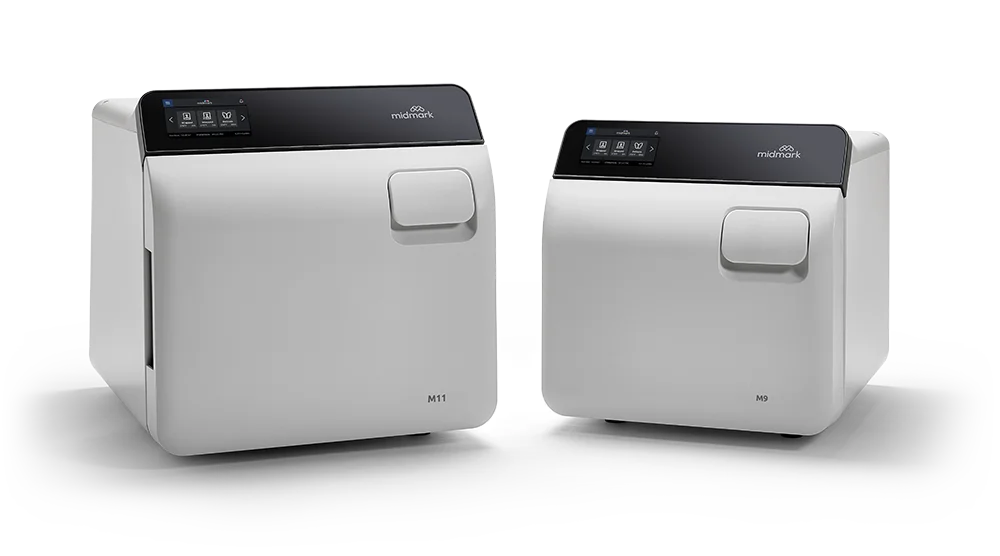
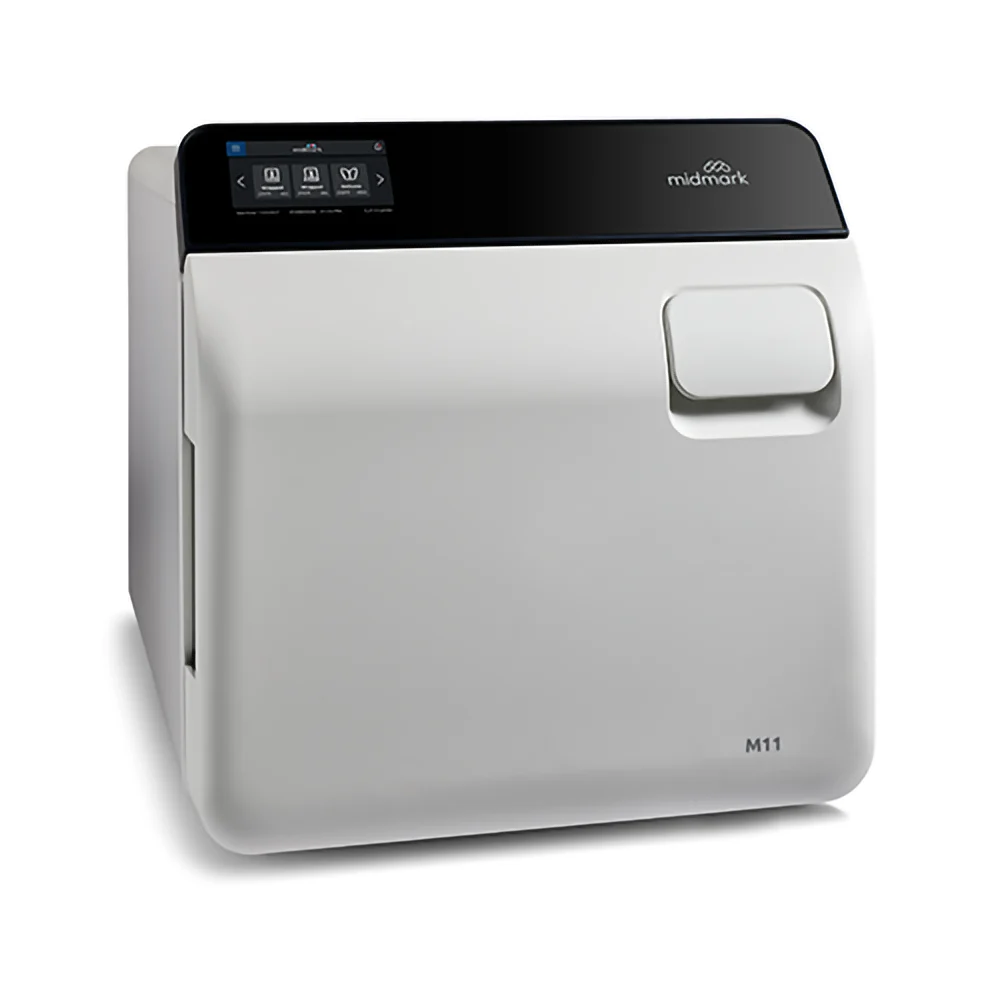
If your autoclave sterilizers do not provide the performance levels you need, it may impact your bottom line, damage your reputation and potentially put your patients at risk from contaminants. There’s a reason sterilizers, like the Midmark M9® and M11® Steam Sterilizers, are the focal point of any infection prevention program.
As ambulatory care continues to evolve—with growing patient volumes, staffing challenges and increasing regulatory expectations—healthcare providers should periodically evaluate whether their sterilization equipment is truly meeting the needs of their facility. Not all medical autoclaves are created equal, so understanding sterilizer functionality and features is important
The following are four important questions you need to ask about your current tabletop sterilizer(s).
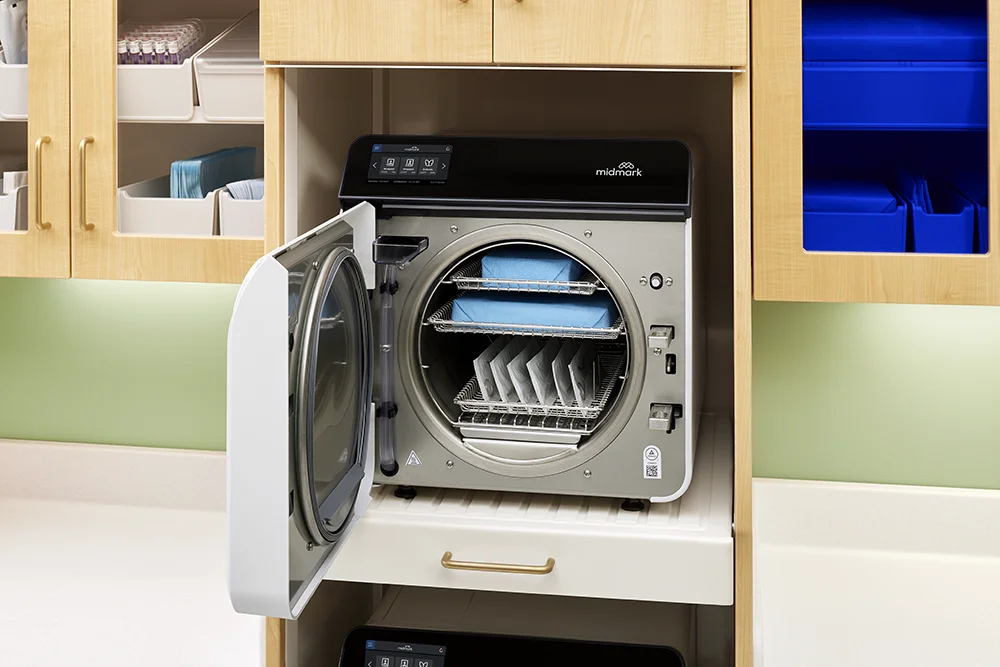
Instrument processing capacity has a direct impact on clinical efficiency. If a facility does not have enough sterilization capacity to support procedure volume, staff may experience bottlenecks that delay instrument turnaround times and disrupt schedules. In busy ambulatory settings, even small workflow interruptions can affect patient throughput and create unnecessary stress for staff and patients.
It is important to evaluate not only current demand, but also consider potential future growth. Expanding services, adding providers, increasing procedure volume or extending operating hours can all place additional pressure on sterilization workflows. Having the right number and size of sterilizers helps ensure consistent instrument availability, reduces workflow disruptions and supports operational scalability.
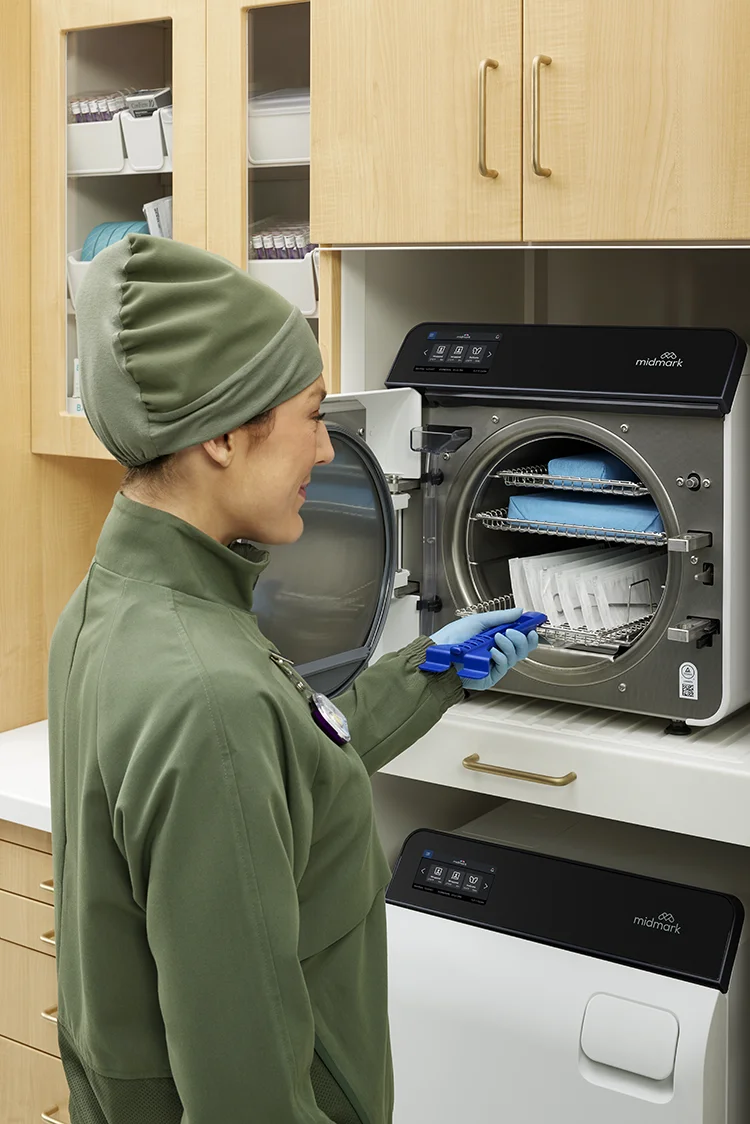
In today’s ambulatory care environments, clinical staff are balancing demanding workloads, and individuals responsible for instrument processing often oversee many processes and tasks in their day-to-day job. Add staffing shortages and turnover to the mix and there may simply not be enough time or people to adequately complete instrument processing. Overly complex sterilizers can increase training requirements, contribute to user error and consume valuable time.
Sterilizers should be intuitive to operate, easy to load and simple to maintain. Features such as intuitive user interfaces, guided instructions, automated documentation and accessible maintenance components can help reduce staff burden and improve consistency across workflows. Ease of maintenance is equally important. Frequent maintenance tasks that are overly time-consuming or difficult can lead to delays, downtime or missed preventative maintenance activities.
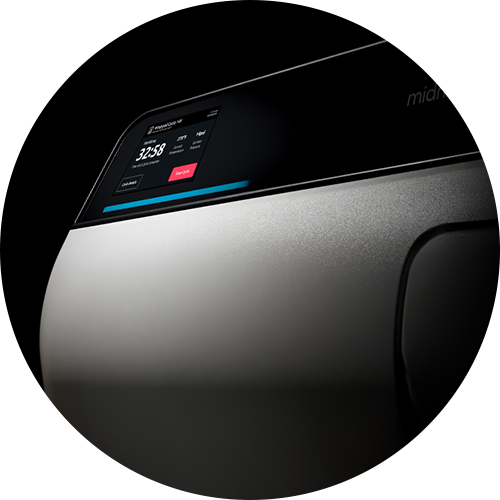
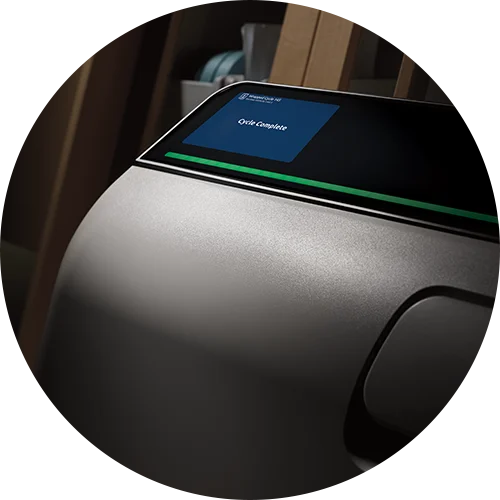
Midmark® Steam Sterilizers feature an intuitive user interface that allows users to navigate cycle setup and other processes with a clear, fingerprint-resistant 5-inch touchscreen that can be utilized while wearing gloves. Midmark sterilizers also reduce the frequency of required maintenance by users and certified technicians by more than half, offering an increased device life of 25,000 cycles.
Consistency in sterile processing is essential for patient safety and infection prevention. Sterilizers should support standardized workflows and help staff follow established processing protocols correctly every time. Your sterilizers should feature capabilities, such as cycle verification and automated recordkeeping, that help reduce variability in processing and reinforce best practices.
When sterilization equipment supports protocol adherence, facilities can strengthen quality assurance efforts and reduce the risk of incomplete or improper processing. Sterilizers that support proper processing protocols, reduce opportunities for human error and help staff follow recommended sterilization parameters contribute to safer patient care and stronger infection prevention programs.
Midmark Steam Sterilizers feature FDA-Cleared Cycle Options that provide unique preset cycles to meet both Centers for Disease Control and Prevention (CDC) and the Association for the Advancement of Medical Instrumentation (AAMI) sterilization cycle recommendations for wrapped instruments. These cycle options can simplify clinical workflow.
Instrument processing is a highly regulated task, with regulatory oversight and accreditation requirements continuing to increase across ambulatory care settings. Facilities are expected to demonstrate consistent adherence to sterilization standards, documentation requirements and quality assurance procedures. Preparing for an audit should not involve scrambling to locate records or manually verify sterilization data. A well-designed sterilizer can simplify compliance efforts by helping facilities maintain organized, accessible documentation and clear process visibility.
With intuitive step-by-step instructions, Midmark Steam Sterilizers simplify performing and recording routine care activities. Healthcare providers can stay audit-ready with device reminders and notifications, user authentication, unlimited storage of routine care events for the life of the sterilizer, and automated cycle recordkeeping.
Sterilizers are foundational to the success of ambulatory care environments. By asking the right questions about capacity, usability protocol adherence, and audit readiness, healthcare organizations can make more informed decisions about the sterilizers they rely on to keep patients safe and operations running smoothly.
Whether you operate one or more ASC, specialty clinic or physician office, Midmark can help you determine if your current sterilizers are meeting your needs and capable of supporting growth. For more information, visit midmark.com/steamsterilizers.