






































How Medical Cabinetry Influences Patient Perception

By:
Marketing Manager, Midmark Medical
June 29, 2026
First Impressions Begin Before the Exam
Patients notice more than the care they receive. They notice how a space makes them feel.
From the moment a patient enters an exam or procedure room, visual cues begin shaping expectations. A clean layout, thoughtful storage, calming colors and cohesive finishes can help communicate organization, professionalism and care. Cabinetry is more than a functional requirement. It is part of the patient experience.
Medical cabinetry helps define the tone of the space. It can make a room feel warm and welcoming, bright and energizing or calm and grounded. When selected with intention, cabinetry can help reinforce confidence before the clinical conversation even begins.
Color, Texture + Tone Shape the Care Experience
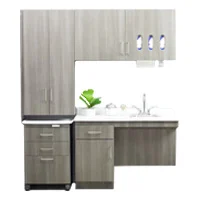
The new Synthesis® Cabinetry color palette was created with design flexibility in mind. The style guide encourages teams to “let design stir your senses,” noting that color, texture and tone have the power to evoke emotion and influence how a care space feels.
Biophilic design, derived from the concept of biophilia—our innate human affinity for and love of nature—is a design approach that intentionally incorporates natural elements and experiences into the built environment. In healthcare settings, thoughtful design choices such as daylight, organic materials, nature-inspired patterns and connections to the outdoors can help reduce stress, improve comfort and support healing. These environments not only enhance the patient experience but also promote focus, resilience and well-being among caregivers. By integrating biophilic principles into examination rooms, procedure spaces and care environments, spaces are created that can feel less clinical and more restorative. The result is a human-centered healthcare environment that supports better outcomes for patients, staff and families.
That matters in medical environments, where the room must support many needs at once:
- Help patients feel at ease
- Support provider focus and movement
- Reinforce cleanliness and quality
- Reflect the personality of the practice or facility
- Create consistency across one room or many locations
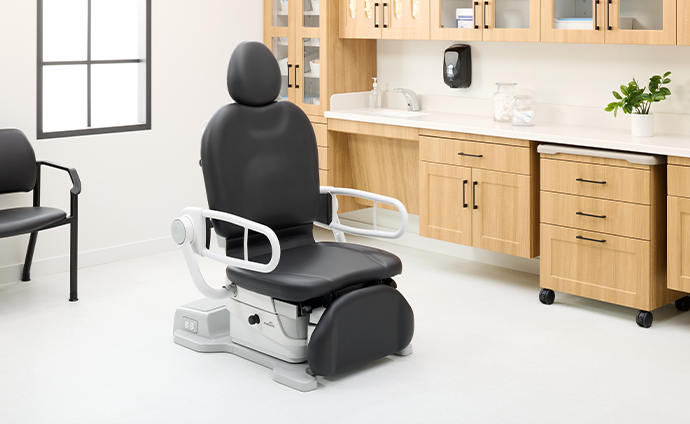
A soft neutral color may support a calm, quiet environment. A deeper finish may bring contrast and sophistication. A warm woodgrain may help make the space feel more approachable. The right combination helps create a visual experience that feels intentional rather than clinical by default.
Cabinetry Can Quiet the Visual Noise
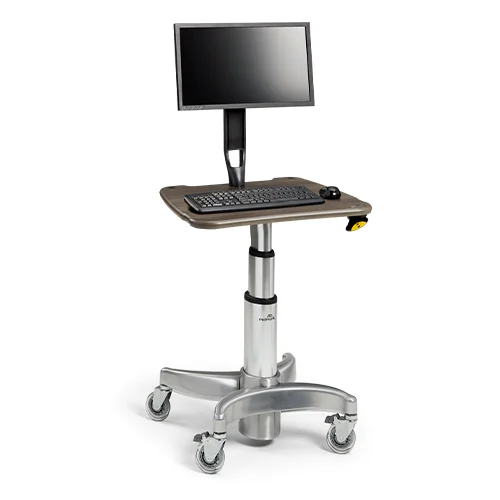
Exam and procedure rooms work hard. They house supplies, medical devices, technology, documentation tools, guest seating, patient exam/procedure chairs, and the everyday materials clinicians need within easy reach. Without thoughtful storage solutions and carefully selected finishes, these essential elements can contribute to visual clutter that feels overwhelming for both patients and clinicians.
Medical office cabinetry helps organize the room so patients see a space that feels prepared. Cabinetry can help conceal supplies, support workflow and create a cleaner visual field. For patients, that organization may translate into a sense of trust: this team is ready, this space is maintained and this visit matters.
For care teams, cabinetry also supports efficiency. When supplies have a dedicated place and surfaces are easy to access, clinicians can spend less time searching and more time focused on the patient.
Design Choices Should Balance Beauty + Practicality
A successful exam/procedure room cabinet solution needs to look good and work even harder.
The Synthesis Cabinetry Style Guide highlights details that bring character, cohesion and purpose to the environment, from cabinet finishes to hardware and surfaces. It also features solid surface countertops that support clinical demands with cleanability and “quiet strength,” along with laminate options that balance beauty, practicality, warmth and design flexibility.
When evaluating medical cabinets, consider how each choice supports the full care experience:
- Cabinet finish: Does it create the desired mood for patients and staff?
- Countertop surface: Does it support daily clinical use and cleanability needs?
- Hardware: Does it complement the design while supporting functionality and accessibility?
- Color palette: Does it align with the brand, building design and patient population?
- Consistency: Can the look scale across multiple rooms, departments or sites?
These choices can help guide stronger conversations about the role of cabinetry in the care environment. Rather than viewing cabinetry as just another material specification, teams can connect color and finish choices to patient perception, staff experience and long-term design objectives.
A More Personal Approach to Medical Exam + Procedure Room Cabinets
Healthcare spaces do not have to feel one-size-fits-all.
A pediatric practice may call for a different palette than a women’s health clinic, specialty practice or ambulatory care center. A single-provider office may want a warm residential feel, while a large health system may need a cohesive finish strategy across dozens of exam/procedure rooms.
The expanded Synthesis Cabinetry palette gives project teams more ways to personalize the environment while staying grounded in the practical demands of care delivery. From calm neutrals to richer tones and natural textures, the palette helps support spaces that feel more considered, more connected and more human.
Design with Clarity. Move Forward with Purpose.
Patients may not know the name of a cabinet finish or countertop surface. But they can feel when a space has been designed with care.
Medical cabinetry helps shape that feeling. It supports the first impression, the workflow and the overall experience of the room. When cabinetry is chosen with intention, it can help create an environment that feels organized, welcoming and aligned with the way care is delivered.
To explore the new Synthesis Cabinetry color palette and start planning your next space, download the Synthesis Cabinetry Style Guide.
Additional Reading:
- Designing Better Care Spaces: How Exam Room Layout Supports Workflow
- Creating a More Connected Point of Care Experience
- Medical Exam Room Design Considerations for Today’s Care Teams
- Synthesis Cabinetry Product Information