





























3 Ways To Protect
Your Digital Sensors

By:
Marketing Manager, Midmark Veterinary
Febuary 9, 2026
Dental radiography is one of the most valuable diagnostic tools, but some of the equipment used to capture those images can be more at risk for damage, like digital radiography (DR) sensors. Used during CORE (Comprehensive Oral and Radiographic Evaluation) procedures, these sensors are especially vulnerable to sudden jaw movement or bite force, resulting in damage that disrupts workflow and leads to unplanned costs. Here are three practical ways to protect your sensors and keep your imaging process running more smoothly.
1. Choose a Sensor Built for the Job
Veterinary dental imaging brings unique challenges. Animals may bite down unexpectedly, and that can put your imaging equipment at risk.
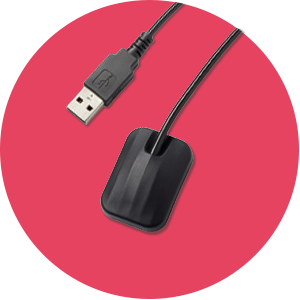
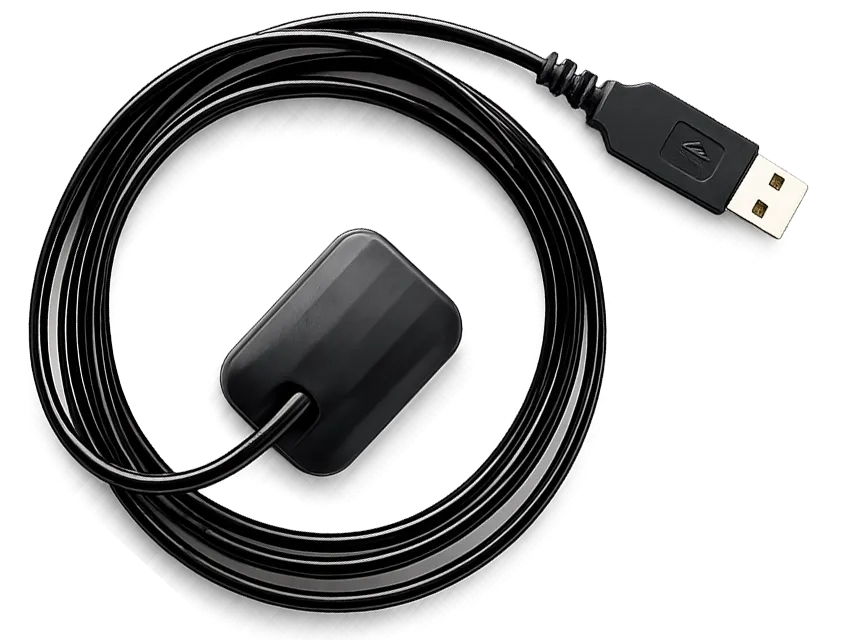
A sensor specifically designed to improve bite resistance can reduce costly downtime and stress for both clinical staff and patients. Look for purpose-built features that help to protect the sensor from accidental bite damage, along with a warranty that reflects confidence in the product's longevity.
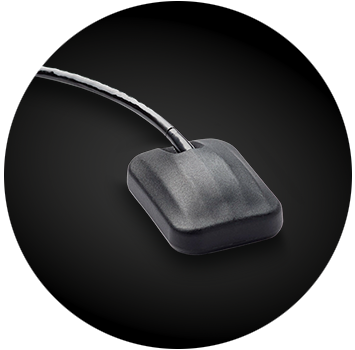
Solution Spotlight: The Midmark® Bite-Resistant DR Sensor is built to help deflect bite force with its patented dome-shaped design. Midmark also includes a five-year limited warranty, with first-time replacement at no charge, plus redeemable to align your team on proper sensor positioning and diagnostic techniques.
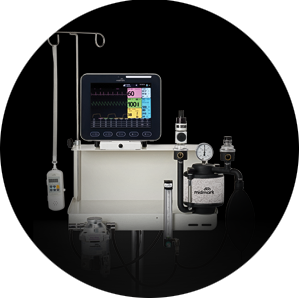
2. Achieve an Appropriate Plane of Anesthesia
One of the most important (and often overlooked) steps in dental imaging is achieving the correct anesthetic plane. If a patient is not maintained at an adequate plane of anesthesia, residual jaw tone or sudden movement may lead to sensor damage or compromised image quality.
Consistently monitoring for an appropriate depth of anesthesia before taking radiographs can help reduce the risk of complications. Getting everyone on the same page can boost safety, improve image quality and make the process smoother for both staff and patients.
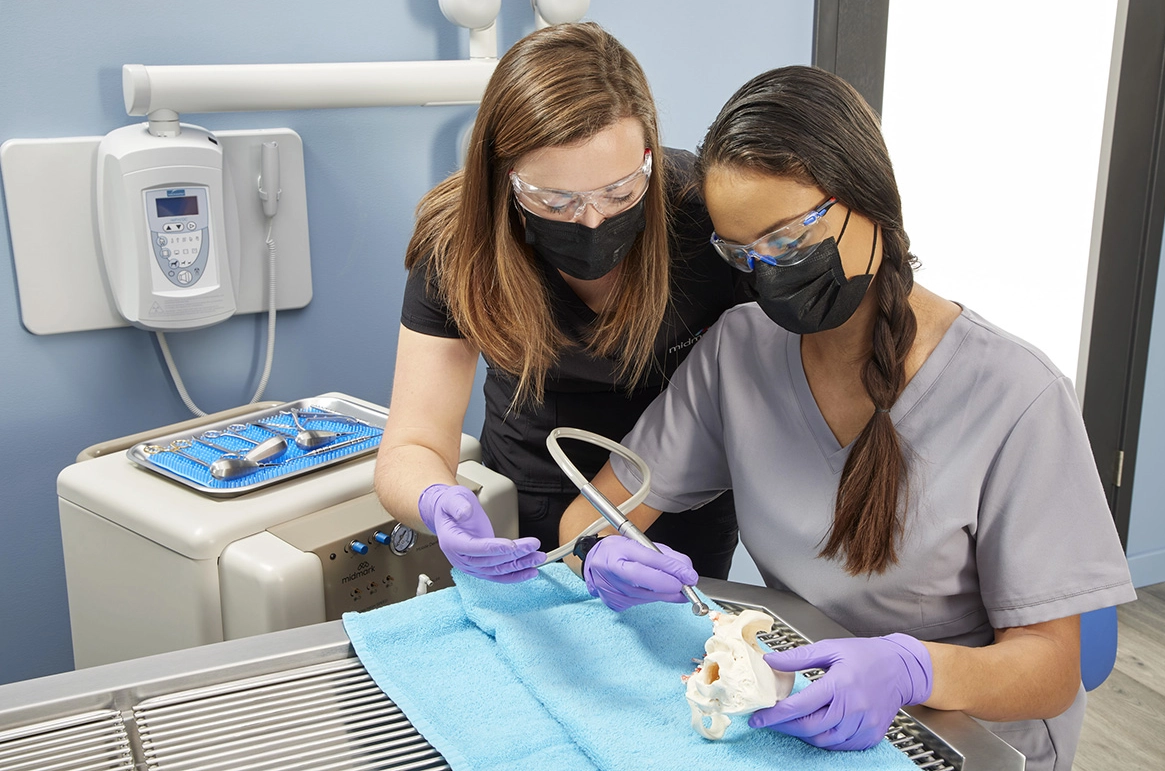
Solution Spotlight: Midmark offers an Anesthesia Simulation Workshop for teams looking to build anesthesia skills and confidence. This hands-on program gives participants the opportunity to work through real-world anesthesia scenarios, respond to unexpected changes and gain confidence without risk to patient safety.
3. Leverage Mouth Props as Added Insurance
Even with proper sedation and durable equipment, accidents happen. A well-placed mouth prop adds another layer of protection to stabilize the jaw, improve access and reduce the likelihood of a bite-related incident during X-rays.
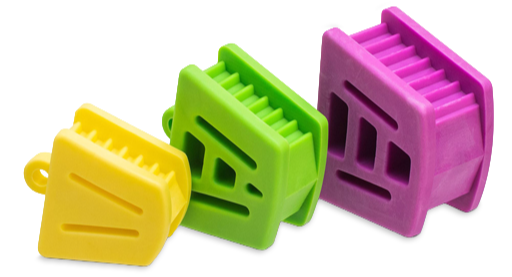
A mouth prop should fit the patient well, stay in place, be easy to remove and allow for sterilization and reuse. Having multiple sizes on hand will help ensure you can accommodate patients of all sizes.
Solution Spotlight: are autoclavable, color coded by size and feature floss eyelets for easier retrieval. Ridged channels help grip teeth to limit shifting, which can reduce the risk of accidental sensor damage. The purchase of every Midmark Bite-Resistant DR Sensor includes a full set of FlexiProps to get you started.
Final Takeaway
Protecting your dental sensor comes down to layering a few smart steps. Durable equipment, an appropriate plane of anesthesia and backup tools like mouth props all work together to reduce the risk of sensor damage, while supporting better imaging consistency and efficiency for your team.