

























How to Choose a Dental Sterilizer: Does It Simplify Compliance and Reduce Risk?

By:
Marketing Manager, Midmark Dental
SEPTEMBER 1, 2026
Part 4 of the “How to Choose a Dental Sterilizer” series
Instrument processing doesn’t end when the cycle does.
Dental teams also need to monitor the cycle, document that required parameters were met and maintain records for every cycle that can be accessed when needed. These steps can often be misunderstood or completely overlooked in dental practices.
In Part 3 of this series, we looked at how intuitive equipment can help standardize workflows and make proper instrument processing easier to learn and perform. Now, we’re addressing the next question: Does the sterilizer help simplify compliance and reduce risk?
The more your sterilizer can integrate monitoring and documentation into the workflow, the less your team has to manage manually.
Know What Needs to Be Monitored
The Centers for Disease Control and Prevention (CDC) recommends using “a combination of mechanical, chemical and biological monitoring to check whether a sterilizer reached the conditions necessary to achieve sterilization.”
- Mechanical monitoring, including time, temperature and pressure, should be performed for every load.
- Chemical indicators should be used with every package.
- Biological monitoring, or spore testing, should be performed at least weekly.
Monitoring documentation and reliable recordkeeping are also important in an infection prevention program. They can demonstrate that required cycle parameters were achieved and help practices determine which instruments may need to be recalled and reprocessed if a problem occurs.
State and local requirements may vary, so practices should also confirm applicable required monitoring and record-retention requirements.
Reduce Manual Recordkeeping
Think about how many sterilization cycles your practice completes each week. When teammates have to manually record cycle information and indicator results, every load creates another documentation task.
When evaluating sterilizers, look for systems that automatically capture required mechanical monitoring and chemical indicator information rather than relying entirely on handwritten records or manual data entry.
Automation doesn’t replace training, infection prevention protocols or appropriate oversight. It can, however, make documentation part of the workflow instead of another step teammates have to remember after each cycle.
Look for features that can help your team:
- Automatically record cycle time, temperature and pressure
- Document chemical indicator results
- Identify whether a cycle completed successfully
- Maintain accessible cycle history
- Provide reminders or notifications when attention is needed
- Document routine care and maintenance
For DSOs and larger practices, these capabilities may also help support greater consistency across teammates and locations.
Make Records Easier to Access
Good records provide the most value when they’re easy to find.
If a biological or chemical indicator signals a potential sterilization problem, accurate records can help the team identify affected loads and determine which instruments may require reprocessing.
Consider asking:
- How long are cycle records stored?
- Can records be searched or reviewed easily?
- Can records be exported?
- What information is included with each cycle?
- Are routine care activities documented?
- Can the system identify who completed required steps?
Easier access can mean less time searching through paper logs and greater visibility into the sterilization process.
Don’t Overlook Routine Care
Sterilizer care and maintenance is another important part of an infection prevention program.
Yet routine care can be easy to overlook in a busy sterilization center, particularly when multiple teammates share responsibility for the equipment. Even simple steps, like wiping down the door each day, are important for overall infection prevention—but can be missed when your team is busy.
When comparing sterilizers, consider whether the system helps your team understand:
- What routine care needs to be completed
- When it is due
- Whether it has been completed
- Where the completed activity is documented
Built-in reminders and records can help make routine care more visible and consistent.
Questions to Ask Before Choosing a Sterilizer
As you compare options, ask:
- Does the sterilizer automatically document mechanical monitoring?
- How are chemical indicator results captured?
- How long are cycle records retained?
- Can records be accessed and exported easily?
- Does the sterilizer provide user identification?
- Are routine care reminders built in?
- Does it document completed routine care?
- How does it alert the team when a cycle requires attention?
The goal isn’t simply to create more documentation. It’s to make the documentation your practice needs easier to complete, access and act on.
Designed to Help Simplify the Process
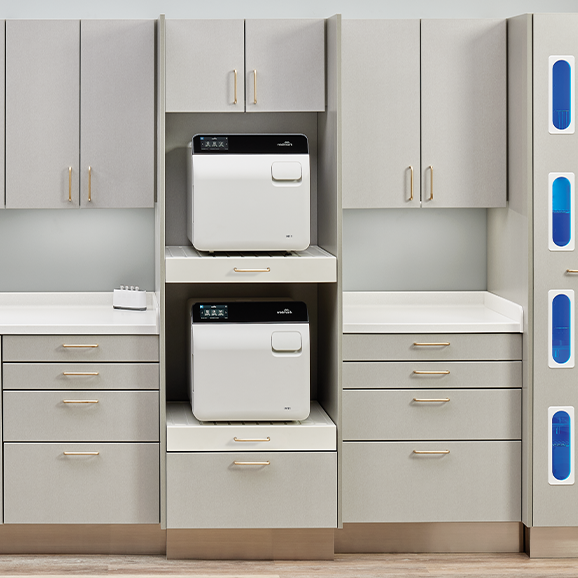
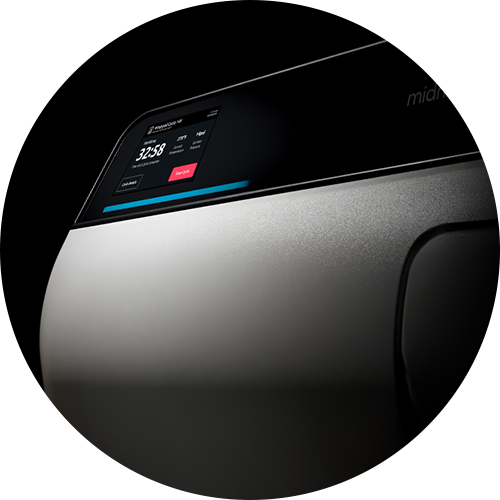
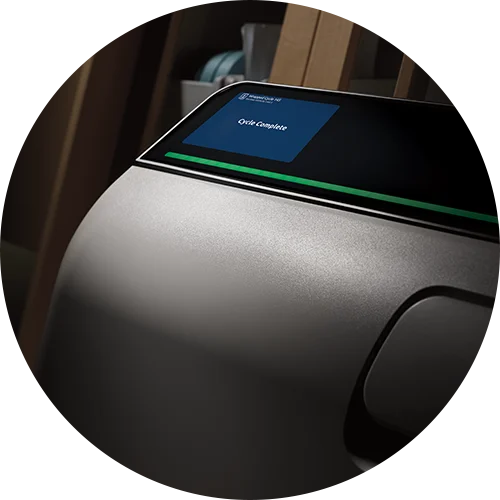
Midmark M9® and M11® Steam Sterilizers integrate monitoring, documentation and routine-care tools directly into the sterilization workflow.
Features include:
- Automated mechanical monitoring and cycle recordkeeping
- Chemical indicator reporting
- User identification
- Device reminders and notifications
- Sterilization cycle history for the life of the device
- Storage of routine care events for the life of the sterilizer
- Downloadable cycle records, including time, temperature and pressure
These capabilities can help reduce manual recordkeeping while giving teams easier access to information about sterilization cycles and routine care.
Explore Midmark M9 and M11 Steam Sterilizers
No sterilizer can replace appropriate training, infection prevention policies or adherence to applicable requirements. The right technology can, however, make important monitoring and documentation steps easier to build into everyday workflows.
Make Compliance Part of the Workflow
When monitoring, documentation and routine care are integrated into the sterilization process, teams can spend less time managing manual records and more time focused on patient care.
As you evaluate your options, look beyond whether a sterilizer can process instruments effectively. Consider how well it helps your team monitor, document and verify the process along the way.
Next in our series: What will your sterilizer really cost long term?