





















-
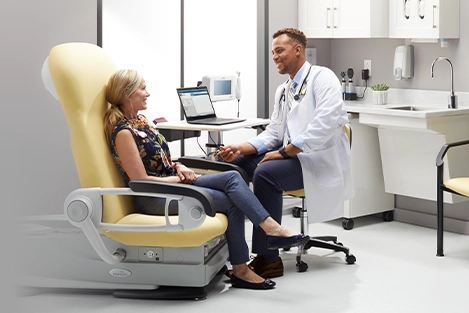
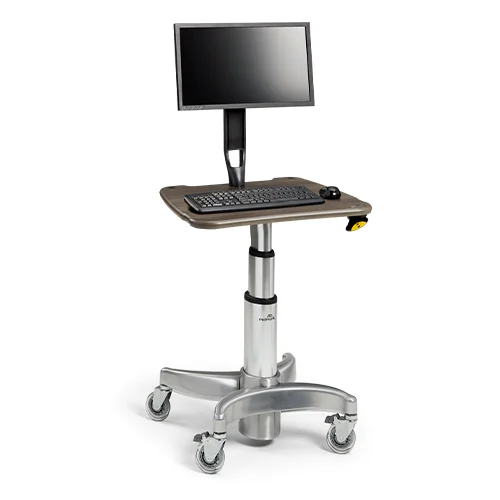
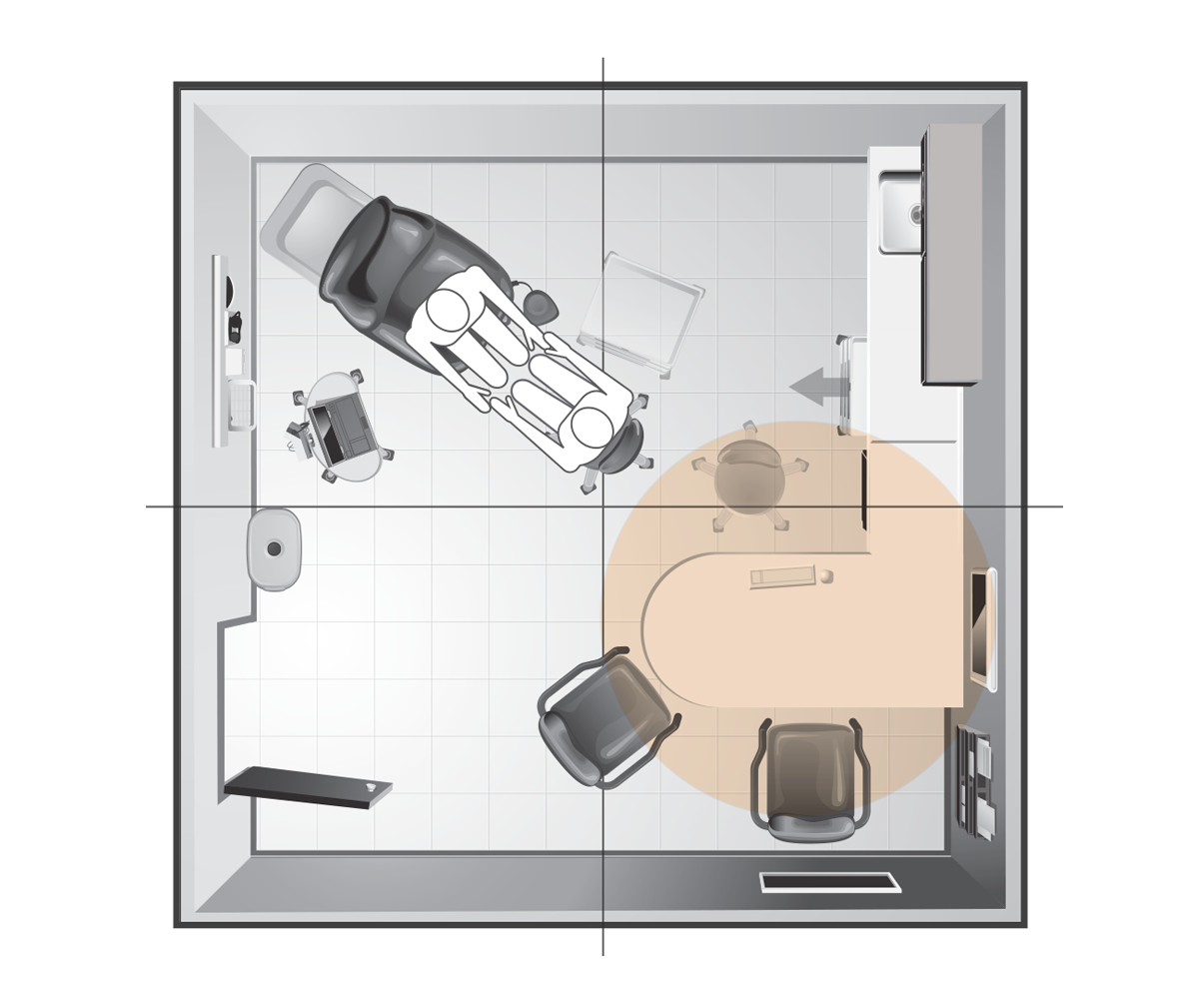 Consultation ZoneThe consultation zone is designed around a shared interactive display for the caregiver and patient. It allows the caregiver to review medical records and educational materials as well as set schedules for medication, reinforcing a long-term care relationship.
 -
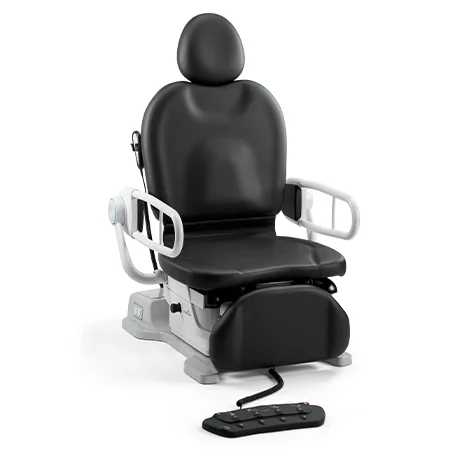
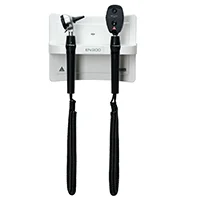
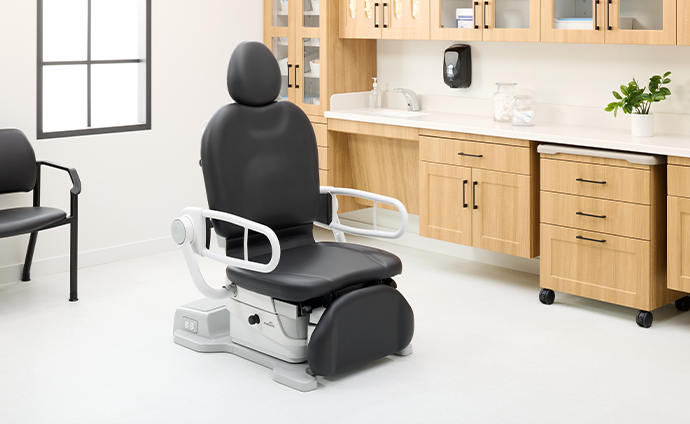
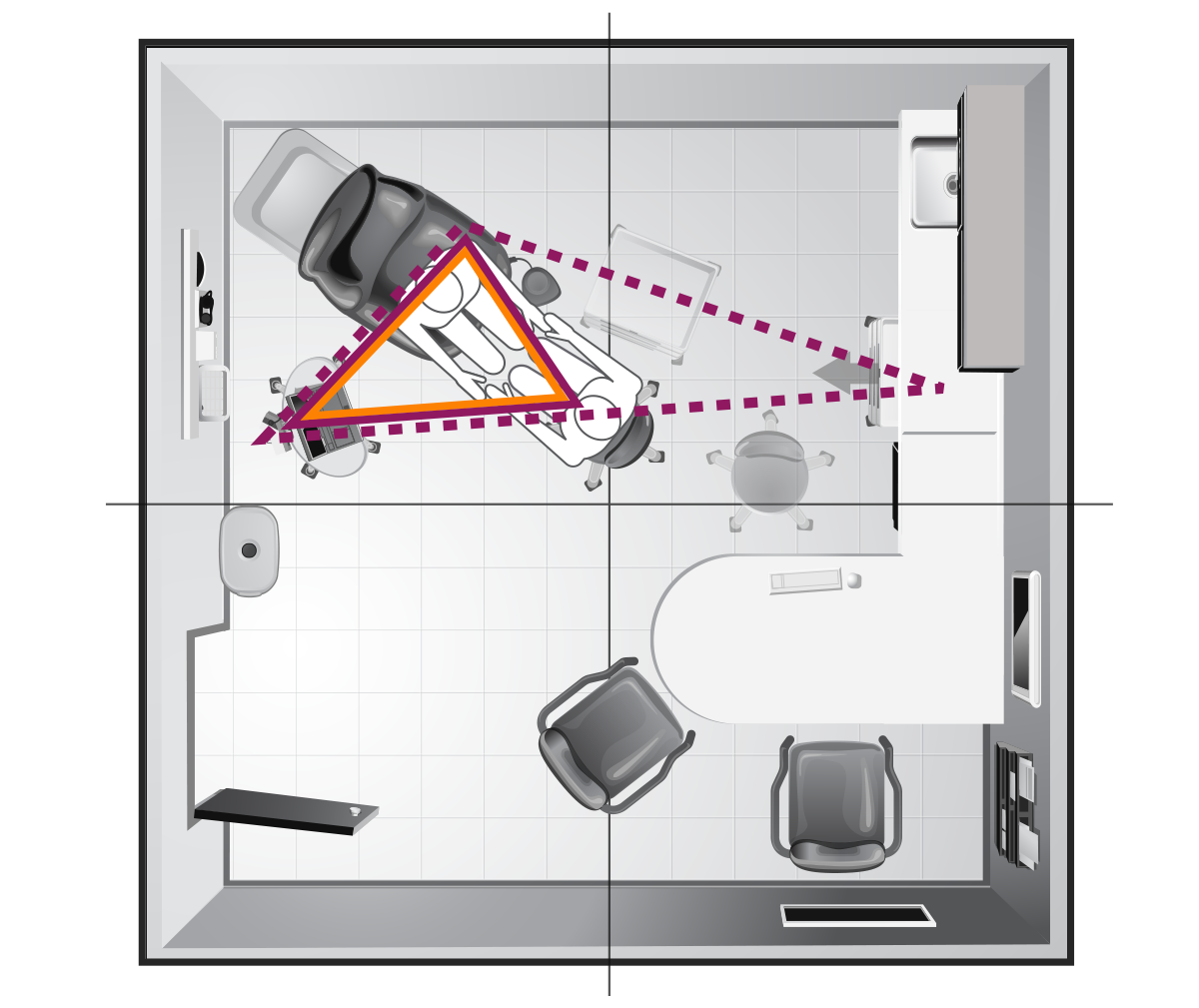 Flexible Care ZoneThe care zone is designed to allow left- or right-sided access and the ability to retrieve instruments and supplies at the point of care. Flexibility and proximity are important for increasing caregiver efficiency and reducing the need to move away from the patient to retrieve instruments and/or supplies.
 -
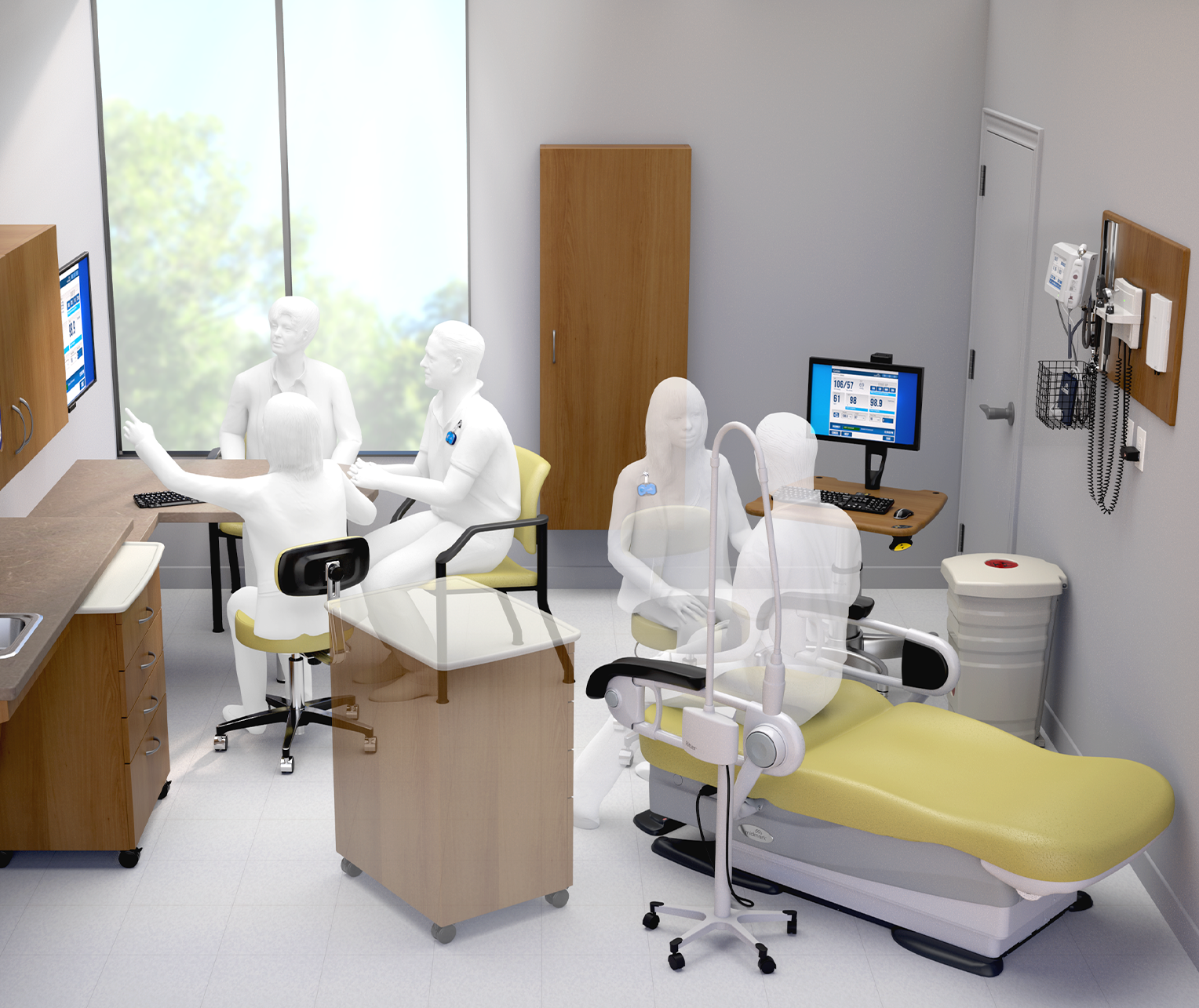 Continuous Care WorkflowEffective patient care extends far beyond the office door. Exam room design must be more flexible and functional, providing the means for ongoing monitoring of patients in addition to scheduled office visits. This design features a designated consultation zone that gives physicians the power to stay in contact with caregivers and to monitor the patient’s health more closely. Remote diagnostic tools provide a means of feedback and ongoing monitoring, supporting the continuous patient-care relationship.
- Vital Signs
- Real-Time Locating System
- Americans with Disabilities
- Single Pane of Glass
- Better Blood Pressure
- EMR Connectivity
- Clinical Process Improvement
- Infection Prevention
-
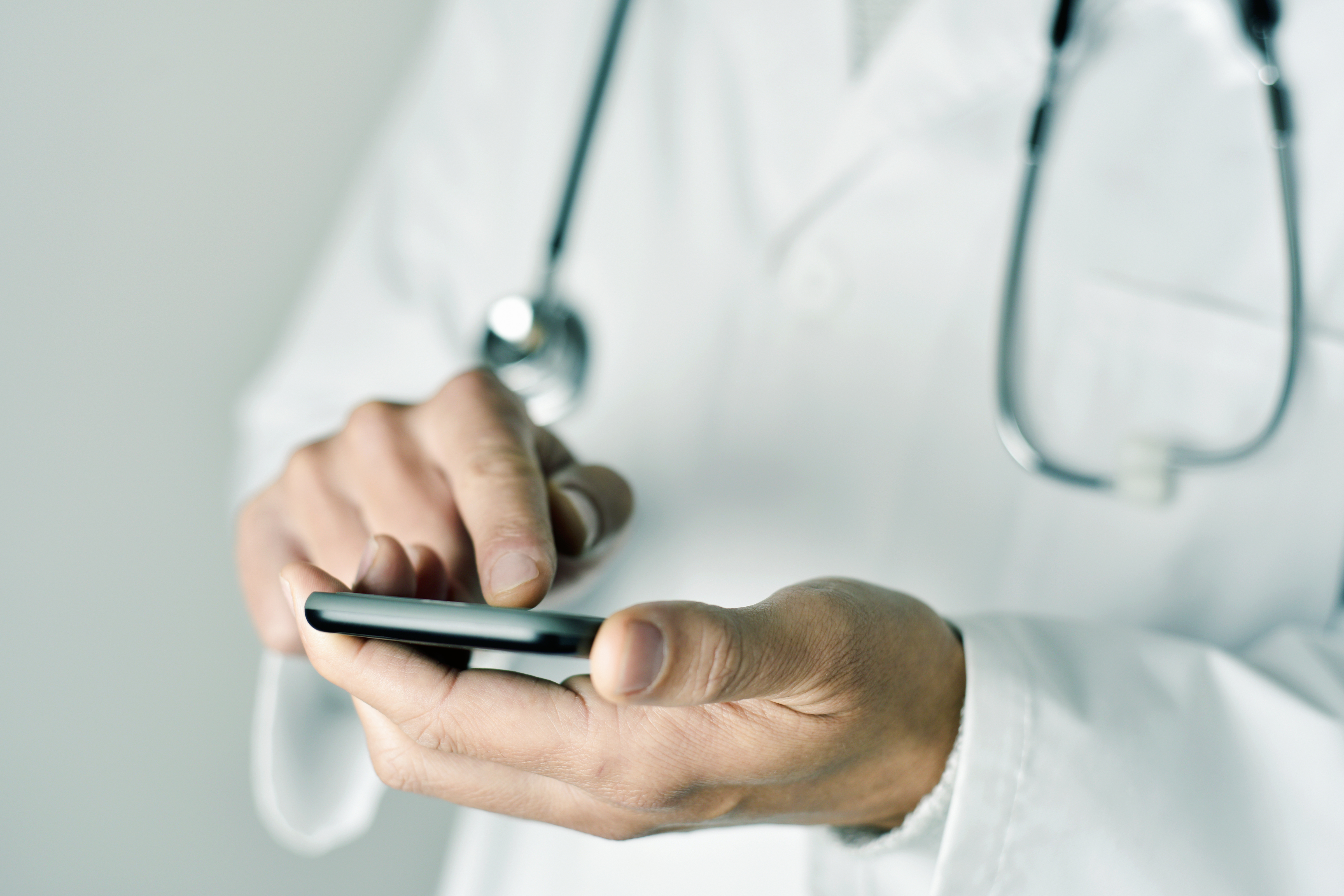 TelehealthCommunication is focused on engaging the patient beyond the visit by using online tools such as reminders, educational materials and a means of feedback to monitor progress. For maximum efficiency, the caregiver may use the consultation zone for remote communication between face-to-face visits, saving time and utilizing fewer exam rooms.
-
 Vital Signs
-
 Single Pane of Glass
-
 Better Blood Pressure
-
 Infection Prevention
-
 Real-Time Locating System
-
 Clinical Process Improvement
-
 Americans with Disabilities
-
 EMR Connectivity
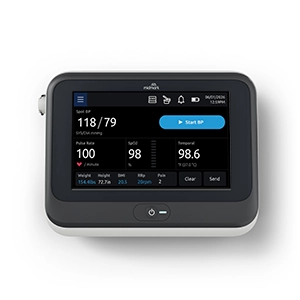
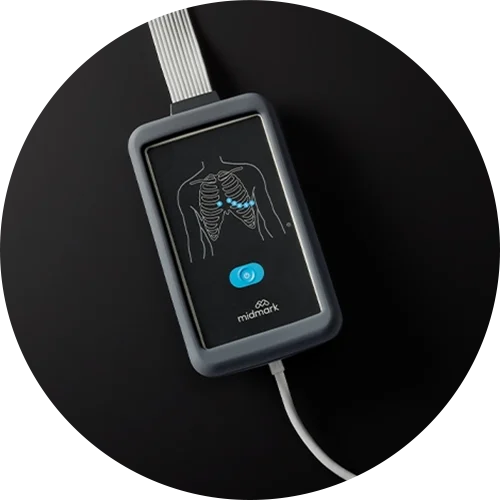
All vital signs measurements are captured at the point of care including weight using an automated device.
Use of RTLS for a patient flow optimization and self-rooming can reduce waste and eliminate bottlenecks.
The height-adjustable exam chair decreases the need for manually lifting and repositioning patients.
Connected equipment and devices are operated from the computer screen.
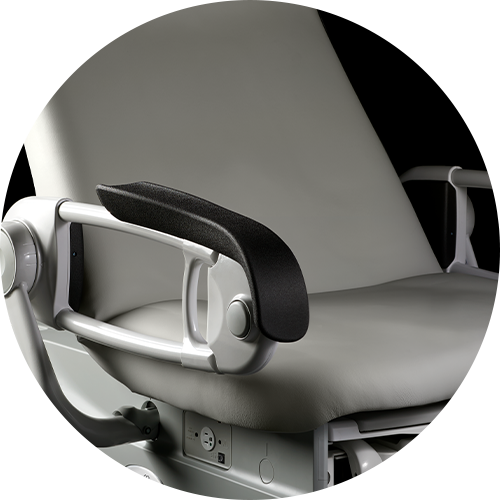
The 626 exam chair with Patient Support Rails+ can be positioned to properly support the patient’s feet, back and arm.
The automated vital signs device is fully connected and integrated with the EMR.
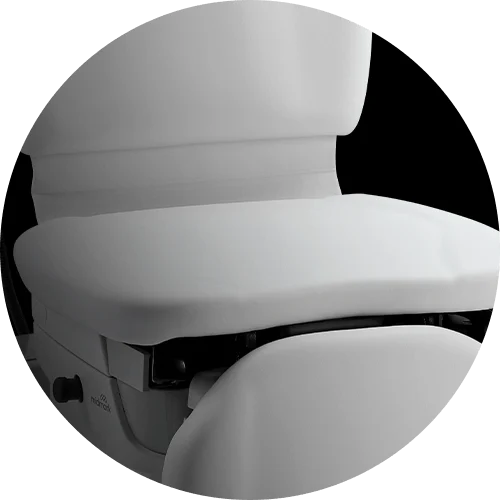
An exam chair with an integrated scale streamlines workflow and frees up space.
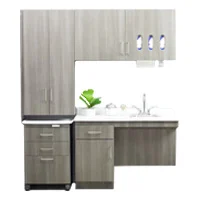
Use of a self-rooming workflow as well as capturing all vital signs and weight in one location reduces exposure to contagions. RTLS automates contact tracing. The exam chair with a retractable roller base and medical-grade cabinetry can be easily cleaned and disinfected.
All vital signs measurements are captured at the point of care including weight using an automated device.
Use of RTLS for a patient flow optimization and self-rooming can reduce waste and eliminate bottlenecks.
The height-adjustable exam chair decreases the need for manually lifting and repositioning patients.
Connected equipment and devices are operated from the computer screen.
The 626 exam chair with Patient Support Rails+ can be positioned to properly support the patient’s feet, back and arm.
The automated vital signs device is fully connected and integrated with the EMR.
An exam chair with an integrated scale streamlines workflow and frees up space.
Use of a self-rooming workflow as well as capturing all vital signs and weight in one location reduces exposure to contagions. RTLS automates contact tracing. The exam chair with a retractable roller base and medical-grade cabinetry can be easily cleaned and disinfected.