











Beyond the Device: Building a More Connected Vitals Workflow in Primary Care

By:
Director of Marketing
July 28, 2026
Why the vital signs workflow matters more than the device itself
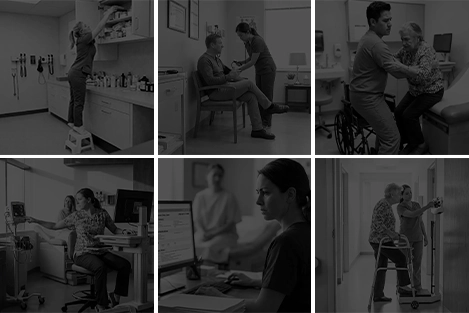
In primary care, vital signs capture is often treated as a routine step. It happens so often that teams may not notice how much time, effort and variation it creates across the day. But when a workflow depends on handwritten notes, repeated checks and manual entry, small inefficiencies can add up quickly. Manual transcription and back-and-forth steps can slow documentation, increase fatigue and create opportunities for errors.
A more connected vital signs workflow is not just about the device used to collect the numbers. It is about how the team moves through the room, how data is captured and how quickly that information becomes part of the patient record. When the workflow is designed well, care teams can spend less time managing steps and more time focusing on the patient.
Where manual steps create friction
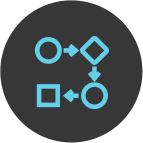
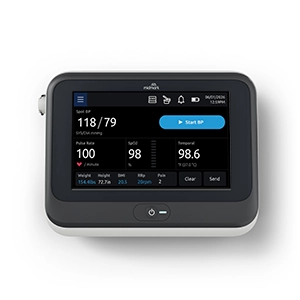
Even a simple vitals sequence can involve several handoffs: locate the patient, gather the tools, capture readings, write them down, verify them and enter them into the chart. Each step may seem minor, but together they can slow room turnover and create inconsistencies between team members. Connected workflow examples show a typical process as a sequence that moves from EMR access to vital signs capture to direct transfer of data back into the record.
In a primary care setting, that matters because efficiency is only one part of the equation. Teams also need cleaner documentation, fewer rework moments and a more predictable experience from room to room. Manual workarounds can make it harder to maintain that consistency, especially in high-volume practices where several staff members may support the same workflow throughout the day.
What a more connected workflow supports
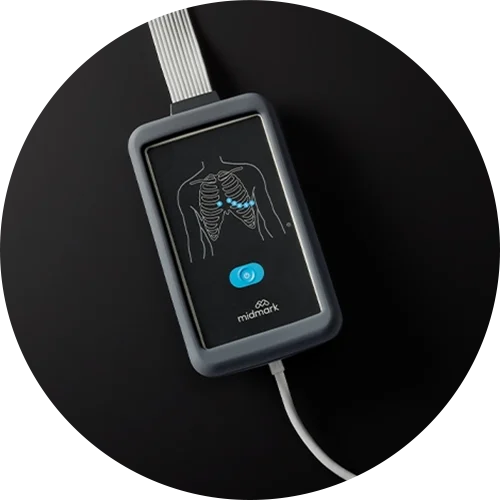
A connected vital signs workflow can help primary care teams reduce manual steps and create a better foundation for documentation. When the workflow is more integrated, vital signs can move more naturally into the chart with fewer opportunities for duplicate entry or transcription errors. Connected diagnostics resources describe this as a workflow that captures, reviews and syncs patient data without leaving the EMR.
That kind of workflow supports several practical goals:
- Improved consistency across staff and rooms
- Cleaner documentation with fewer handoff points
- Less time spent re-entering data
- A smoother experience for clinicians who need fast, reliable information at the point of care
For primary care teams, the value is not just speed. It is confidence. When the process is standardized, teams can trust that vitals are collected and documented the same way more often, which supports better communication and a more dependable care experience.
Preparing for more connected diagnostic workflows
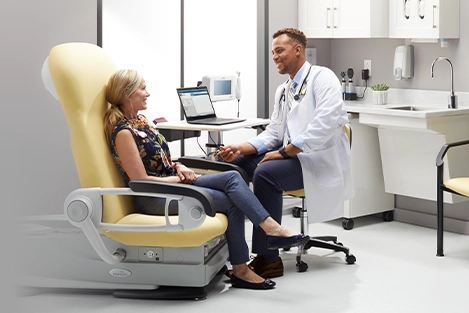
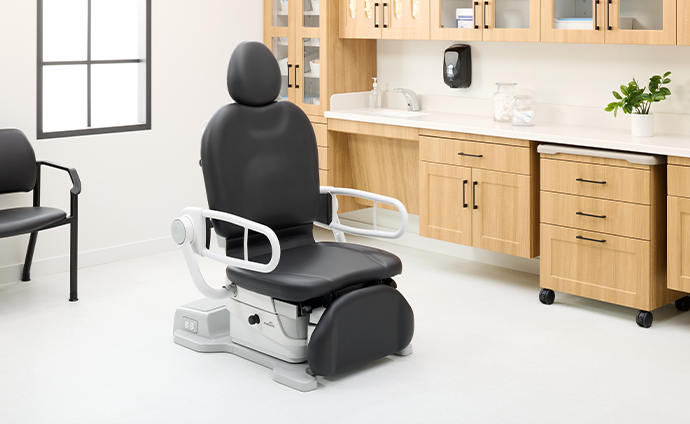
Primary care is moving toward a more connected exam room where vital signs, diagnostics and documentation work together more naturally. That does not require a dramatic overhaul overnight. It starts with building workflows that are easier to repeat, train and scale as technology becomes more integrated. Connectivity is one part of the larger care experience, not an isolated add-on.
Teams that think ahead now can be better prepared for future diagnostic workflow integration. That means looking at room layout, EMR flow and staff responsibilities together rather than as separate issues. When those pieces align, primary care practices are better positioned to improve ambulatory care efficiency while supporting cleaner documentation and less manual effort at the point of care.
Moving forward with a more connected point of care
A more connected vital signs workflow is ultimately about helping care teams work with less friction. It supports better use of time, more consistent documentation and a stronger foundation for future diagnostic connectivity. For primary care practices, that can mean a smoother day for staff and a more streamlined experience for patients.
Explore related resources on connected diagnostics, workflow integration and point-of-care efficiency to see how a more connected approach can support your primary care team.
- Connected Diagnostics and EMR Workflow
- Automated Vitals Capture and Documentation
- Designing a More Connected Point of Care
- Primary Care Workflow Efficiency Resources