




















Giving Nurses Time Back: A Clinical Perspective on Smarter, Safer Care

By:
Customer Success Coaching and Education Manager, Midmark RTLS
APRIL 16, 2026
During my years working in and alongside clinical environments, one theme has remained constant: nurses are asked to do more—with less time, fewer resources and increasing complexity.
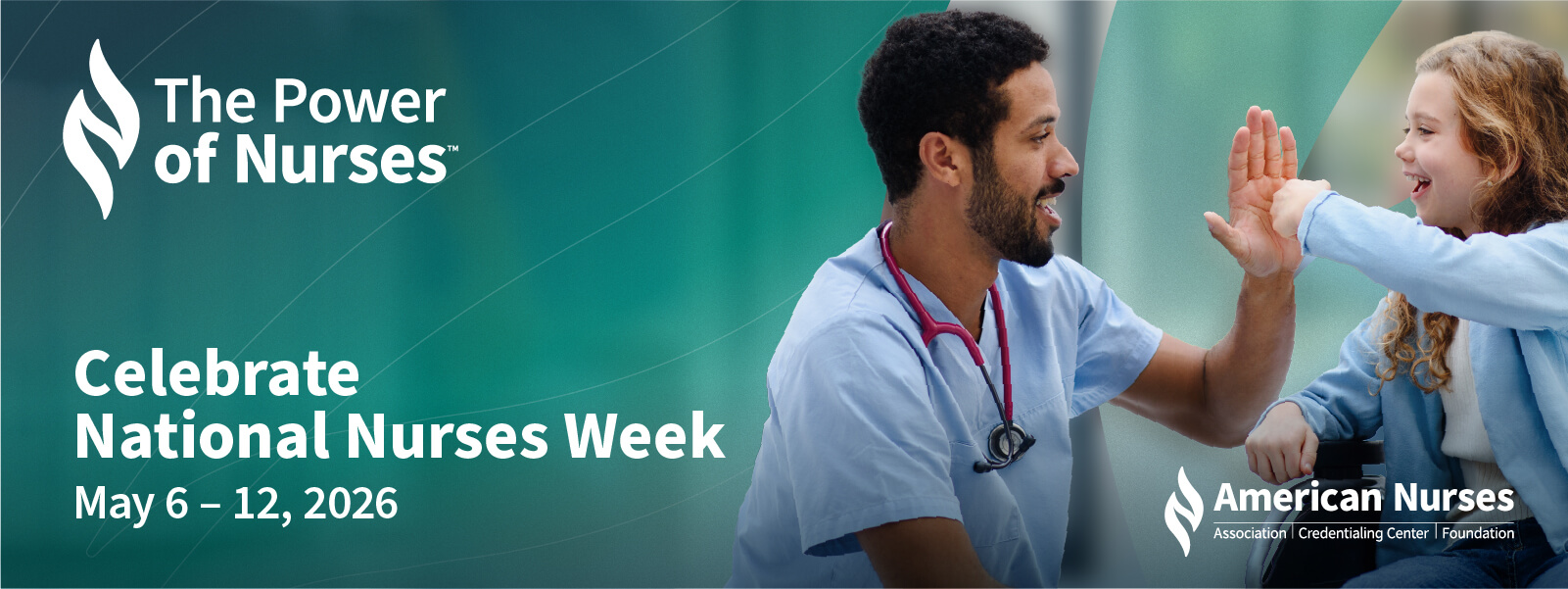
National Nurses Week is an opportunity to recognize the incredible dedication of nurses, but it’s also a moment to reflect on how we can better support them in their day-to-day work.
Because the reality is this: time is one of the most critical—and limited—resources at the bedside.
Where Time Slips Away from Nurses
In conversations with nursing leaders and frontline staff, I consistently hear the same challenges:
Time spent searching for equipment needed to deliver care
Frequent interruptions from alarms that lack context
Navigating multiple systems to complete routine workflows
Increased cognitive load from fragmented technologies Patient Experience.
These are not minor inefficiencies. Over the course of a shift, they add up—pulling nurses away from direct patient care and contributing to fatigue and frustration.
Many organizations have taken steps to address these issues through solutions like staff duress, asset tracking and workflow automation. However, when these tools are implemented independently, they can unintentionally create new challenges.
From a clinical perspective, disconnected systems don’t just impact efficiency—they impact the care experience.
Moving Toward a More Connected Care Environment
To truly support nurses, we need to shift from isolated solutions to integrated, clinically aligned systems. This is where hybrid real-time locating systems (RTLS) are making a meaningful difference.
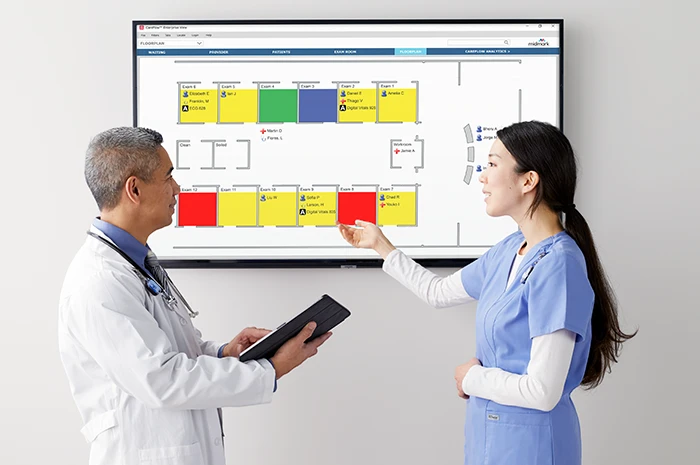
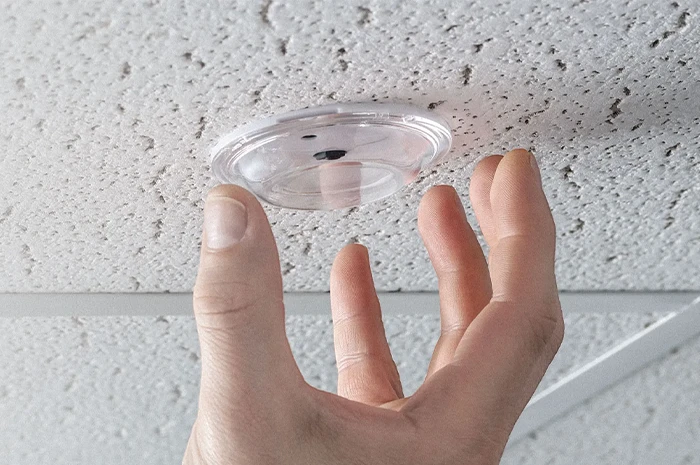
Hybrid RTLS brings together multiple technologies to provide both facility-wide visibility and room-level or bed-level precision. More importantly, it connects people, equipment and workflows into a unified system that aligns with how care is delivered.
Rather than adding another tool to manage, it creates a foundation for more intuitive, streamlined clinical workflows.
What This Looks Like at the Bedside
When thoughtfully implemented, RTLS can support nurses in ways that directly improve both efficiency and patient care:
Streamlining Clinical Workflows
When location intelligence is integrated into systems like the EMR, it can reduce manual steps, support more accurate documentation and enable workflows that better reflect real clinical practice.
Delivering More Meaningful Alerts
Alarm fatigue is a real and ongoing concern in clinical environments. By incorporating location context, RTLS helps ensure alerts are more relevant and actionable—so nurses can prioritize their response appropriately.
Supporting Staff Safety
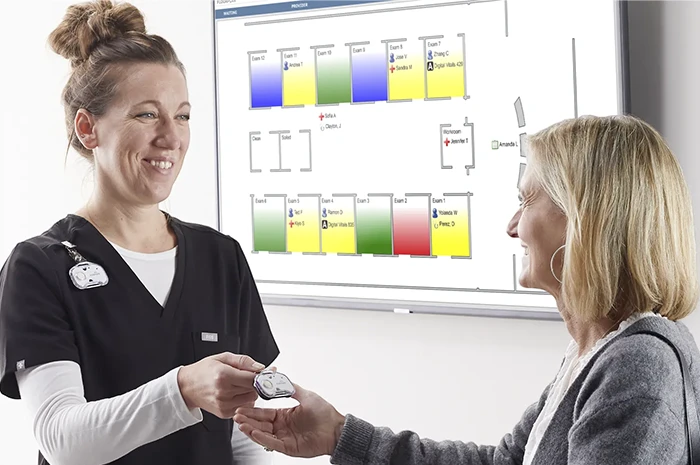
In moments where a staff duress alert is activated, response time matters. Location-aware systems can help ensure the right people respond quickly and with the context they need, reinforcing a safer care environment.
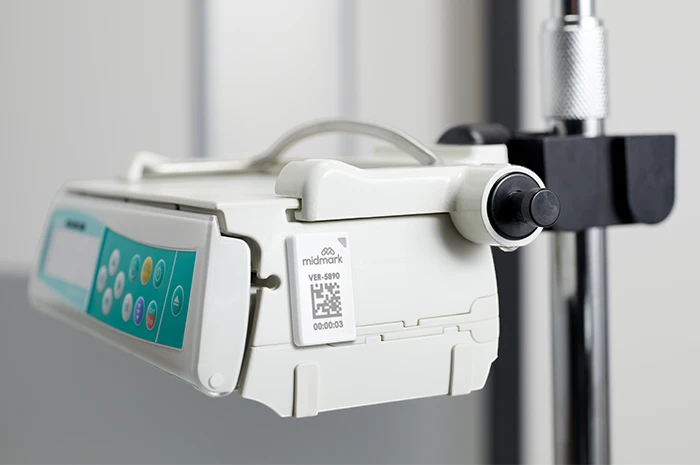
Reducing Time Spent Searching
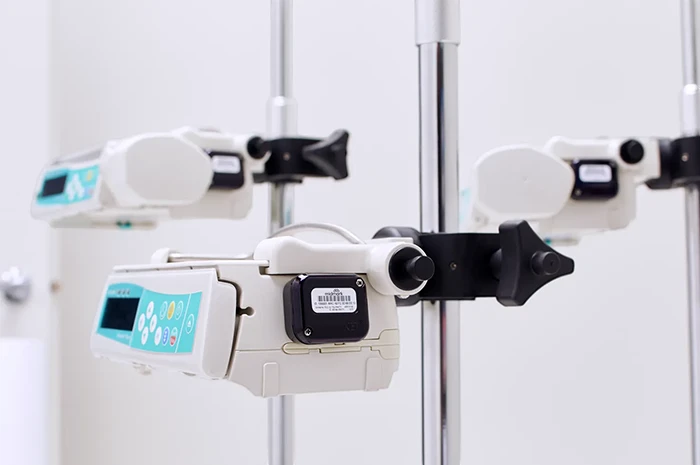
Having real-time visibility into equipment means nurses can quickly locate what they need without leaving the unit or interrupting care. And, this visibility can be delivered right to the EMR, where they are already working. This not only improves efficiency—it reduces delays that can impact patient outcomes.
Extending Impact Across the Care Team
While my focus is always on the clinical experience, it’s important to recognize that these improvements don’t happen in isolation.
Clinical engineering teams benefit from better insight into equipment utilization and maintenance needs.
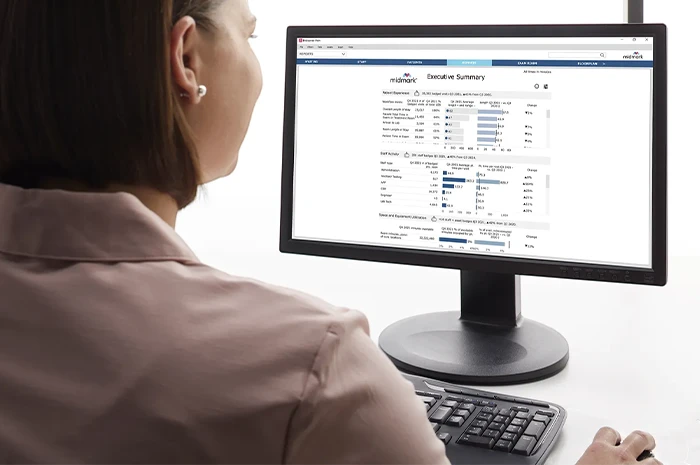
Operations leaders gain visibility into workflow performance and opportunities for improvement.
IT teams can support a scalable, future-ready infrastructure.
When these teams are aligned around a shared, connected platform, the result is a more cohesive care environment—one that ultimately supports better outcomes for both patients and staff.
A Thoughtful Path Forward
Technology alone isn’t the solution. But when it’s designed and implemented with clinical workflows in mind, it can be a powerful enabler.
At its best, RTLS becomes less about tracking—and more about supporting the people delivering care.
Join Me This Nurses Week
If this perspective resonates with you, I invite you to join me and my colleague Jeanne Kraimer for an upcoming webinar:
We’ll explore real-world examples and practical strategies for using a connected RTLS approach to:
Reduce fragmentation across systems
Improve workflow efficiency
Enhance staff safety
Support better patient care outcomes
This Nurses Week, let’s move beyond recognition—and take meaningful steps to support nurses with the time, tools and systems they need to deliver the best possible care.
Register for the webinar here.