





The DOJ Deadline for Medical Diagnostic Equipment is Here: Is Your Organization Ready?

By:
Marketing Manager, Midmark Medical












We See It
Rethinking the Exam Room - AIA Credit
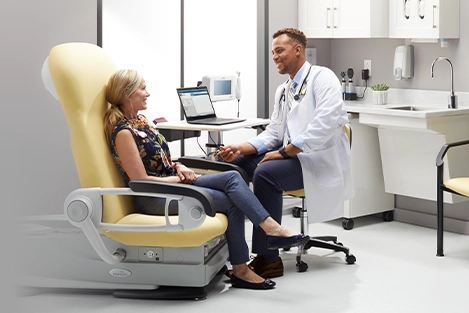
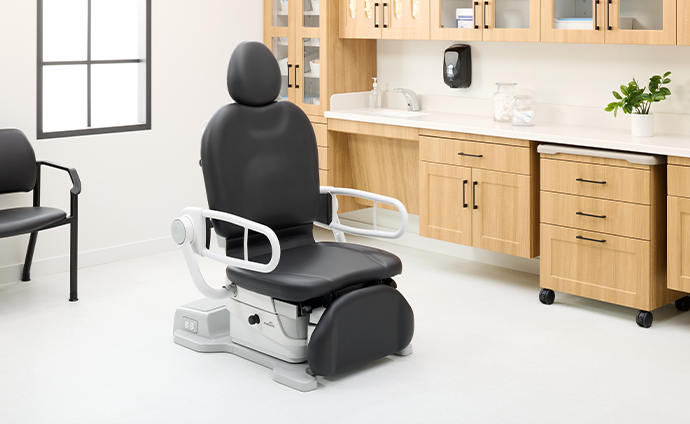
The right procedure room equipment can make a crucial difference in both patient outcomes and caregiver safety. Particularly for patients...
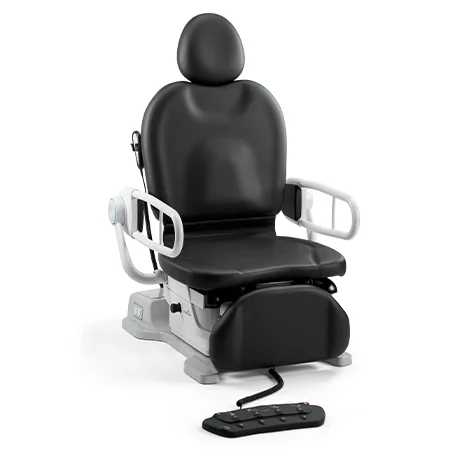
Explore the 631 Procedure Chair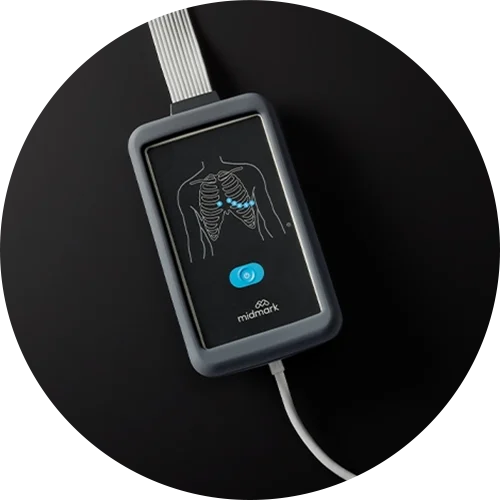










By:
Marketing Manager, Midmark Medical
The federal rollout of accessible medical diagnostic equipment (MDE) requirements has reached its second major milestone. Following the Department of Health and Human Services (HHS) enforcement deadline in July, the US Department of Justice's (DOJ) 2026 deadline for MDE has now also passed for covered state and local government healthcare organizations under Title II of the Americans with Disabilities Act (ADA). The conversation is no longer about preparing for the deadline—it's about confirming that equipment, workflows and purchasing decisions support compliance and equitable access to care.
For healthcare leaders, procurement teams, facilities managers and clinicians, this deadline is an opportunity to evaluate medical diagnostic equipment, clinical workflows and staff training to ensure equitable access to care for patients with disabilities. Whether you’ve already implemented accessibility improvements or are finalizing compliance efforts, now is the time to review your equipment, operational practices and procurement.
The DOJ's enforcement adheres to the 2017 US Access Board's (USAB) MDE Standards, establishing accessibility requirements for commonly used diagnostic equipment, including exam chairs, procedure chairs, dental chairs and weight scales. The goal is to improve access to care by ensuring patients with disabilities can receive diagnostic examinations with greater safety, dignity and independence.
It's important to note that USAB standards enforced by the DOJ apply to state and local government healthcare providers covered under Title II of the ADA, including public hospitals, public health clinics and public university health systems. While private organizations are not currently subject to this rule, many who receive federal financial assistance like Medicare and Medicaid reimbursements are required to comply with the HHS enforcement through Section 504 of the Rehabilitation Act.
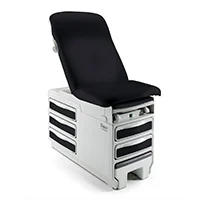
One of the most common misconceptions is that providers must immediately replace every piece of existing equipment. Instead, for covered entities that use examination tables or weight scales, the DOJ enforcement requires applicable healthcare facilities to have one compliant exam chair and one compliant weight scale by August 9, 2026. Also, MDE purchased, leased or otherwise acquired after October 8, 2024, must meet the standards until scoping requirements are met of at least 10 percent, but no fewer than one unit, of each type of MDE in use. A 20 percent threshold applies to certain facilities and programs specializing in conditions that affect mobility.1
For many organizations, compliance is less about replacing an entire fleet of equipment overnight and more about confirming that accessible equipment is available where patients need it while incorporating accessibility into procurement decisions.
With the compliance deadline now in effect, evaluate whether your accessibility strategy extends beyond equipment specifications:
Taking a multidisciplinary approach—including clinical leadership, facilities, compliance, procurement, finance and risk management—can help organizations identify opportunities to strengthen both compliance and patient care.
Although the new DOJ enforcement establishes specific compliance requirements for covered providers, accessibility also supports broader healthcare goals. Thoughtfully designed clinical environments can help:
For healthcare organizations planning renovations, replacing equipment or new construction projects, accessibility is increasingly becoming another important consideration alongside clinical performance, operational efficiency and total cost of ownership.
The August 9 deadline is an important milestone—but accessibility should be an ongoing commitment rather than a one-time project. As organizations continue investing in medical diagnostic equipment and care environments, accessibility should remain a key consideration in future procurement and facility planning.
Healthcare organizations evaluating exam room equipment or planning new equipment purchases should consider how accessibility fits into their long-term clinical and operational strategy.
Midmark offers a portfolio of solutions designed to support safe patient care, efficient clinical workflows and thoughtful exam room planning. Connect with your Midmark representative to learn more about creating accessible care environments that support patient experience and compliance.
To learn more, visit midmark.com/accessibility.
Sources:
1 https://www.ada.gov/assets/pdfs/mde-rule.pdf