























An Overlooked Cause of Negative Patient Experiences
April 18, 2026
The Patient Experience Problem No One May See Coming
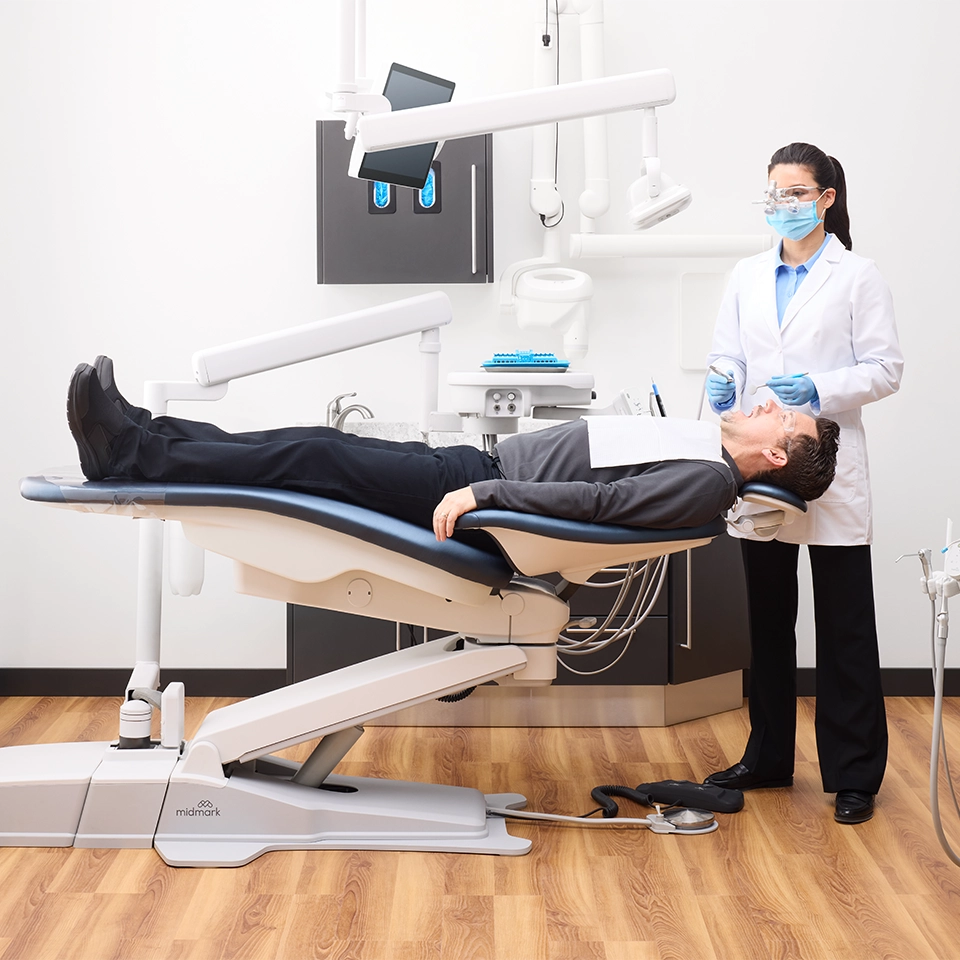
When thinking about the patient experience, dental practices often focus on what happens in the operatory, at the front desk or during follow-up communication. But one overlooked issue can quickly unravel all of it: mechanical room downtime.
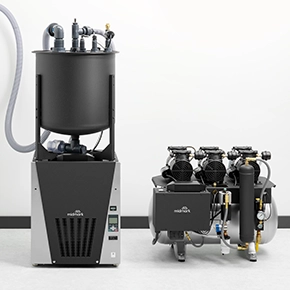
If your air compressor or vacuum goes down, your practice goes down.
That’s why mechanical room downtime is not just an equipment issue. It’s a patient experience issue, a scheduling issue and an operational issue that can affect the entire day.
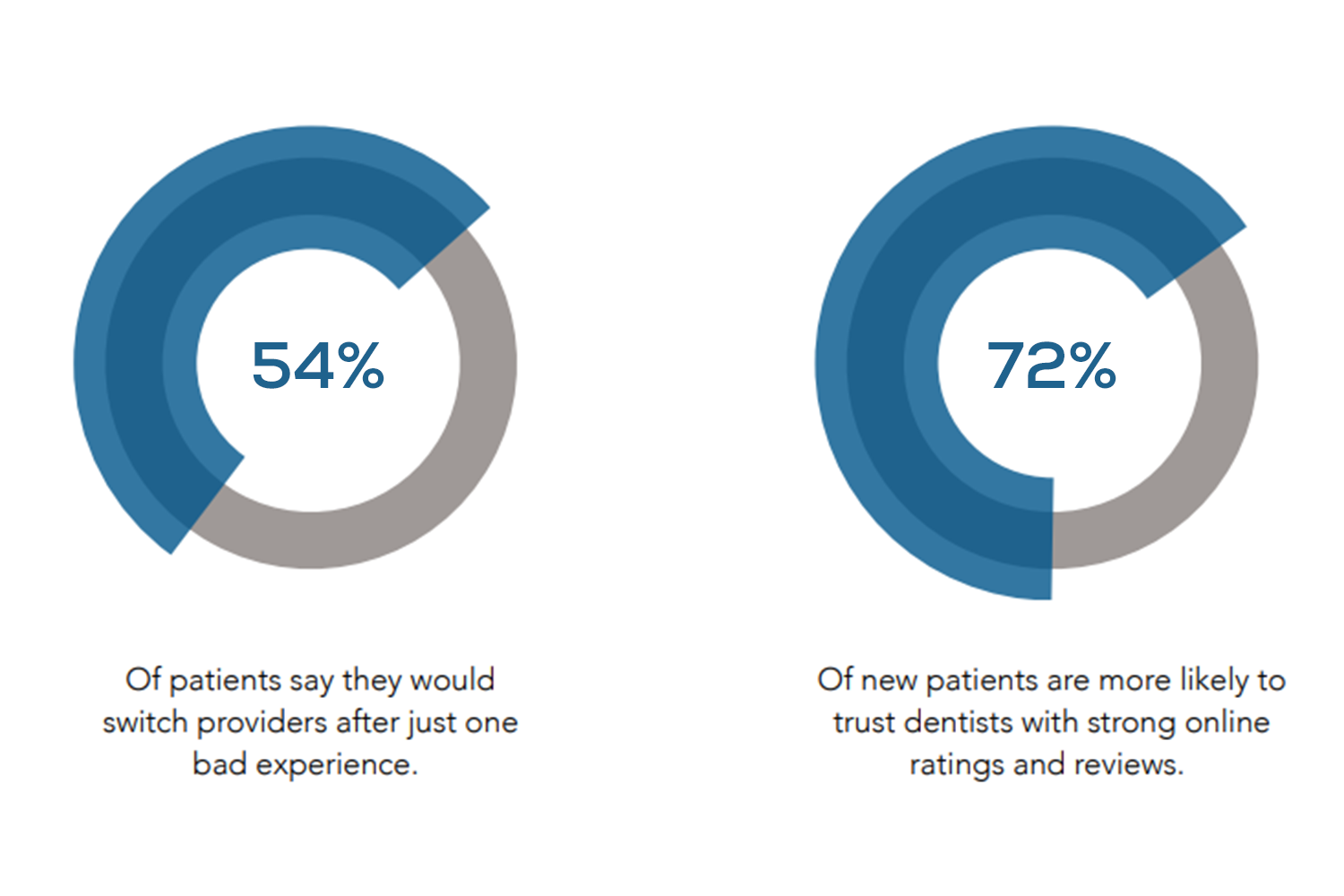
That matters because patients are less forgiving than many practices may realize. In fact, 54% of consumers say they would switch providers after just one negative experience and 73% would leave after multiple negative experiences.
Frustrated patients may choose to express their frustration online, leaving negative reviews or poor ratings. Since 72% of new patients seek providers with a minimum 4- to 5-star online rating, such negative feedback may deter new patients and impact future growth potential.
When One Breakdown Creates a Day-Long Disruption
Mechanical room downtime rarely affects just one appointment.
If a compressor or vacuum system fails mid-treatment, the immediate concern is, of course, the patient in the chair. Treatment stops. The appointment is interrupted. Confidence takes a hit. And your team is suddenly forced into recovery mode.
But the ripple effects can spread quickly, appearing as:
- Interrupted or delayed treatments
- Stress for the provider and team
- Last-minute schedule changes
- More calls and coordination for front office teammates
- Difficulty getting patients back in quickly
That last point matters even more today. With limited hygienists and assistants available, many practices do not have much flexibility built into the day. Reworking the schedule isn’t easy. A single equipment issue can create a rescheduling mess that affects multiple patients and puts additional pressure on an already stretched team.
For patients, the frustration may feel simple: “My appointment could not happen as planned.”
For the practice, the consequences can be bigger and longer lasting:
- Lost production
- Disrupted workflows
- Frustrated team members
- Lower patient satisfaction
- Greater risk of patient attrition
Small Warning Signs Are Easy to Ignore—Until They’re Not
Mechanical equipment failures often do not happen without warning. Performance issues, inconsistent operation and repeat service calls can all signal that a system is nearing the end of its useful life.
The challenge is that busy practices may keep pushing through those signs.
It is similar to owning a car. At some point, you have to ask whether it makes more sense to keep repairing it or replace it before the next breakdown leaves you stranded.
The same thinking applies in the mechanical room.
As equipment ages, practices should evaluate:
- How often service is needed
- Whether performance issues are becoming more frequent
- What the age of the system is compared to its expected useful life
- What the operational cost would be of an unexpected failure
Waiting until equipment dies to service or replace it can be the most disruptive and most expensive choice.
How to Reduce Downtime Before It Affects Patients
The best way to protect the patient experience is to take a more proactive approach to mechanical room equipment reliability.
1. Don’t wait for failure to start planning
Every system has a useful life. If your compressor or vacuum is aging, now is the time to evaluate replacement options before an emergency forces the decision.
2. Take performance issues seriously
If you’re starting to notice problems, don’t ignore them. Bring in a qualified service technician to assess the equipment and help determine whether continued repairs still make sense.
3. Follow recommended routine maintenance
Preventive maintenance helps keep equipment operating at peak performance. It can also help identify issues earlier, before they become bigger disruptions.
4. Consider the full cost of downtime
A repair bill is only one part of the equation. Lost appointments, team disruption and a poor patient experience also carry real costs.
Dive Deeper into the Costs of Downtime
Explore how to optimize performance and reduce disruptions by reviewing key insights from the Midmark Mechanical Room brochure.
A Smarter Way to Stay Ahead of Mechanical Room Issues
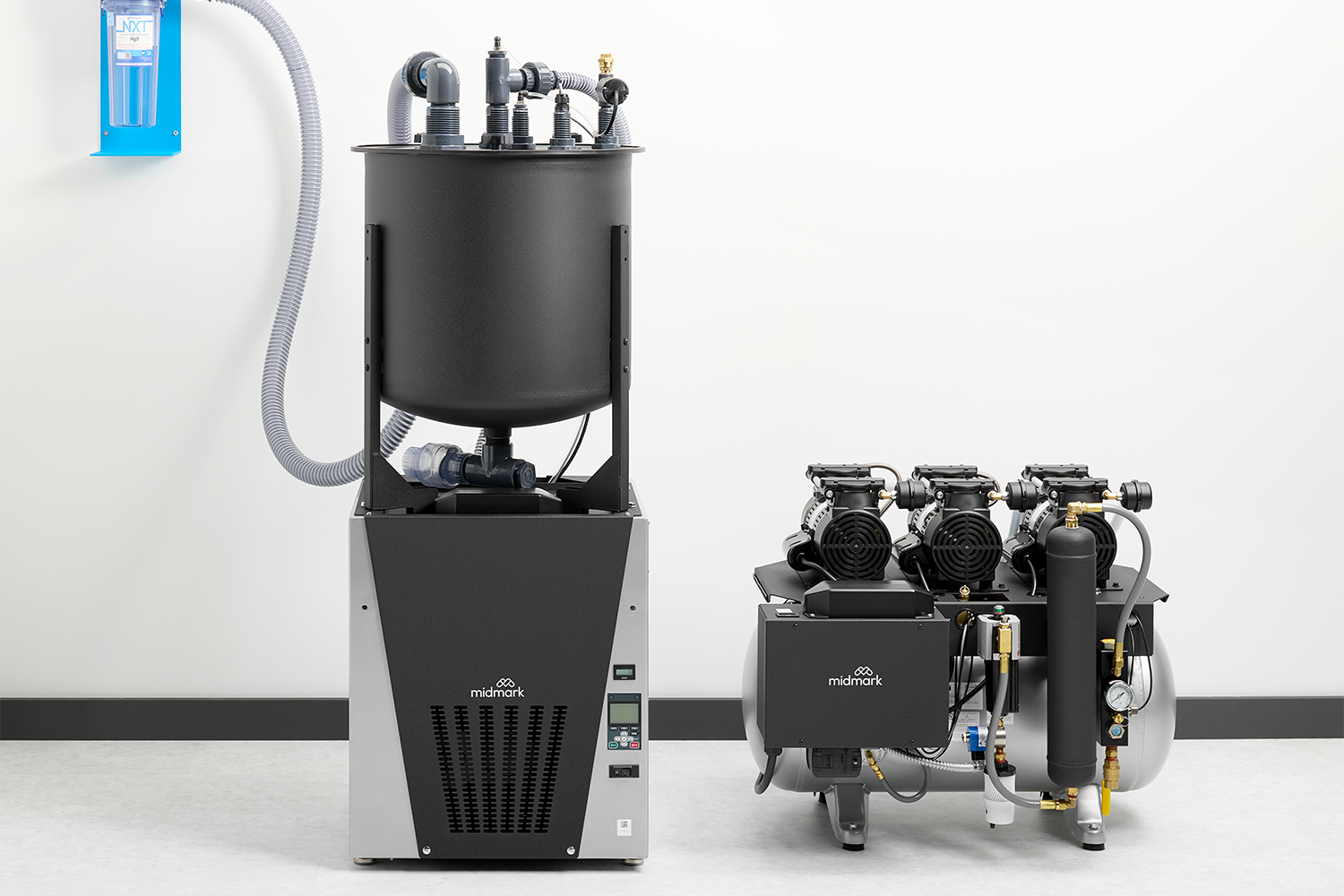
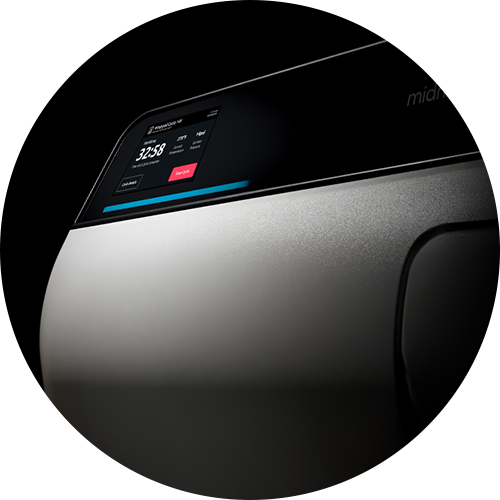
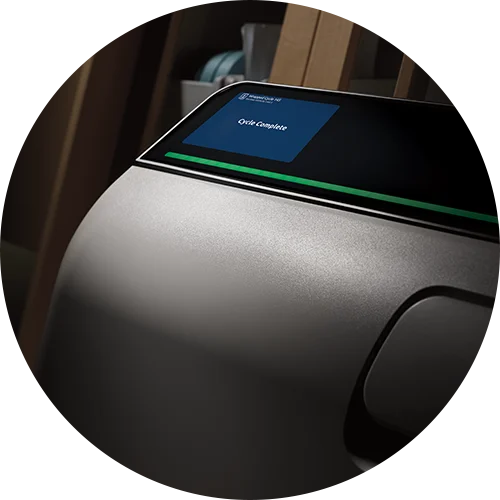
Midmark can support visibility with a more connected approach. Midmark Smart Air Compressors, Smart G-Vacuums and cloud-based Smart View™ platform deliver a connected ecosystem that delivers real-time insights, including maintenance reminders, performance notifications and equipment alerts, so practices can act early, stay proactive and reduce preventable downtime.
With Smart Mechanicals, practices can:
- Stay more aware of equipment status
- Receive maintenance-related notifications
- Address issues earlier
- Reduce the risk of unexpected breakdowns affecting patient care
When your mechanical room is more visible, your practice is better positioned to protect schedules, support teammates and create a more consistent patient experience.
Protect the Experience You Want Patients to Remember
Patients may never see your compressor or vacuum system, but they absolutely feel the impact when those systems fail.
Mechanical room downtime and the disruptions it causes can leave patients with the impression that your practice is not as reliable as they expected. Don’t let all the work you’ve put into creating a welcoming, comfortable, positive patient experience go out the window because of a mechanical room failure.
A better approach is to act before failure happens:
- Know your equipment’s useful life
- Pay attention to warning signs
- Stay current with routine maintenance
- Reevaluate repair-versus-replace decisions early
- Use connected tools that help you monitor performance
Because when the mechanical room goes down, the patient experience can go down with it.
Want to Reduce the Risk of Unexpected Downtime in Your Dental Practice?
Our equipment and design experts are happy to help.