
























What Is Color Rendering Index (CRI) and Why Does It Matter?

By:
Marketing Manager, Midmark Dental
November 2, 2026
When choosing a dental operatory light, brightness is an important consideration. But how accurately the light reveals colors can be just as important.
Determining that accuracy is where the Color Rendering Index (CRI) comes in.
What Is Color Rendering Index (CRI)?
Color Rendering Index (CRI) measures how accurately a light source reveals the colors of the object it illuminates compared to a reference light source, such as daylight or sunlight.
CRI is measured on a scale from 0 to 100, with higher numbers indicating more accurate color rendering. According to the U.S. Department of Energy, a CRI of 80 is generally recommended for interior lighting, while a “CRI of 90 or higher indicates excellent color fidelity.”
In other words, a high CRI helps colors appear more natural and true to life, making it easier to distinguish subtle differences in shades and tones.
Why Does CRI Matter in Dentistry?
In dentistry, even subtle differences in color can provide important visual information. And when lighting doesn't render those colors accurately, clinicians may not be seeing the full picture.
Consider restorative shade matching. Natural teeth aren't a single, uniform color. They contain variations in hue, saturation and translucency, which must be considered when selecting materials for crowns, veneers and other restorations. Lighting that distorts those colors can make it more difficult to achieve a natural-looking match.
In fact, the American College of Prosthodontists identifies lighting as a significant factor in shade-matching errors and recommends a CRI greater than 90, along with appropriate color temperature and illumination levels, for visual shade selection.
Color rendering also matters when examining natural tooth structure. Subtle visual differences help distinguish enamel from dentin and identify areas of concern. Research on dental operating illumination has examined how different lighting characteristics affect clinicians' ability to distinguish dental tissues and tooth structures.
Brightness alone doesn't tell the whole story. A dental light may provide plenty of illumination without accurately reproducing the colors clinicians need to see. Color rendering, color temperature and light intensity all play important roles in creating the right lighting conditions for dental procedures. That's why CRI deserves a closer look when choosing dental operatory lighting.
See More Clearly with Midmark
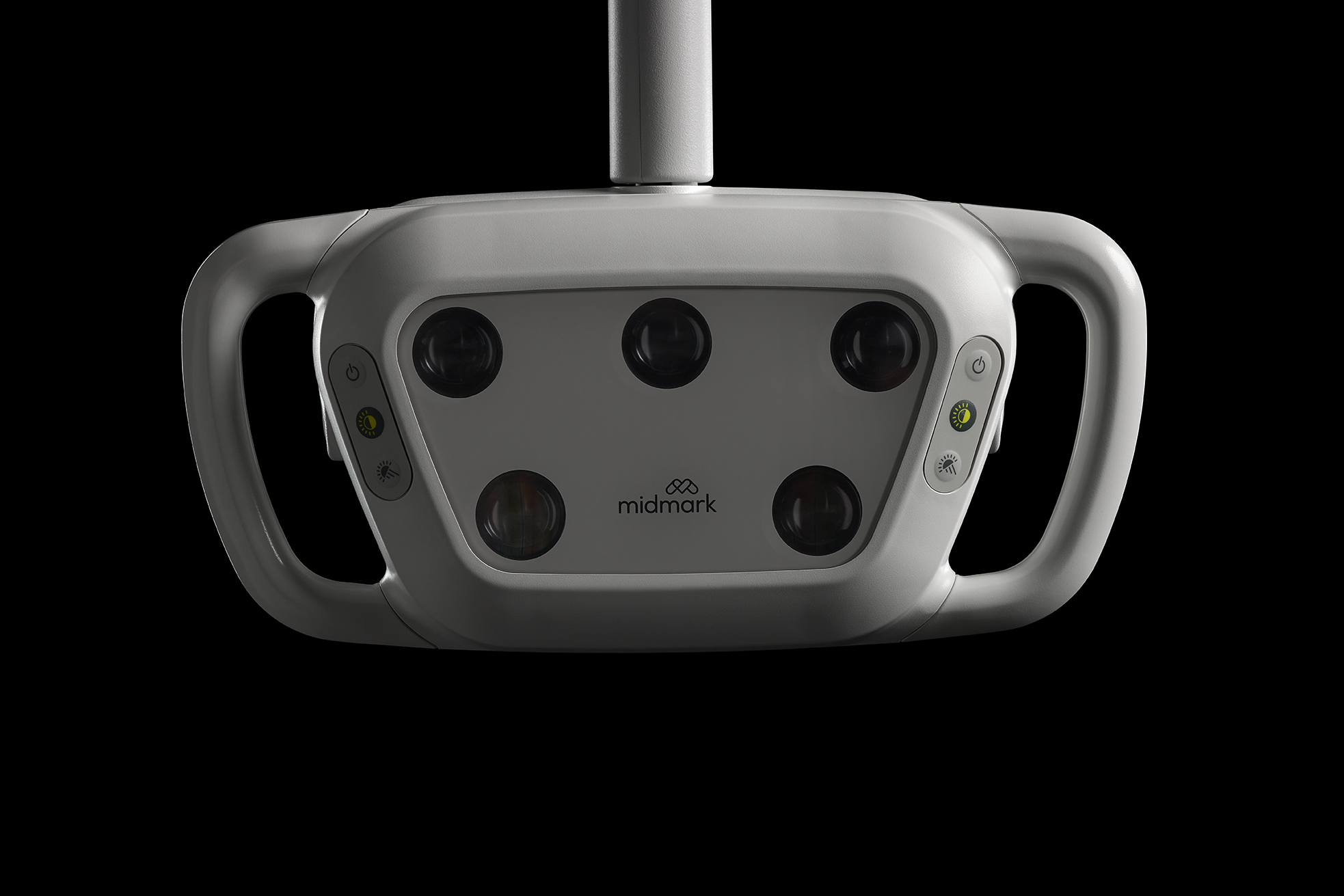
The next-generation Midmark® Dental LED Light features a CRI greater than 90, providing daylight-quality illumination designed to support more accurate shade matching and tissue evaluation.
Beyond color accuracy, the light offers three brightness settings, a cure-safe mode and flexible positioning to help clinicians adjust illumination to their needs. Whether used independently or alongside loupe-mounted headlights, the Midmark light helps provide consistent illumination across the treatment area.
Because when it comes to dental lighting, it's not just about how much you can see. It's about how accurately you can see it.