






























Instrument Processing in ASCs: Why Workflow Design Matters for Patient Safety and Throughput

By:
Director of Marketing
June 15, 2026
Ambulatory Surgery Centers (ASCs) are under constant pressure to deliver high-quality surgical care while maintaining efficiency, controlling costs and maximizing patient throughput. As case volumes increase, one critical operational area, instrument processing (IP), often determines whether a center runs smoothly or experiences costly delays.
IP workflow serves as the backbone for high performance ASCs. When instrument reprocessing is efficient, compliant and properly designed, surgeons have the surgical tools they need when they need them. When this workflow breaks down, the consequences can include case delays, staff frustration, increased costs and, most importantly, risks to patient safety.
Solutions Designed for ASC Workflow
Midmark recently introduced a resource center for ASCs that showcases the value our clinical insight, equipment, technology and services bring to the space. The focus is to offer solutions that fit how ASCs actually operate, instead of adding further complexity, steps or risk to processes. For ASCs, Midmark is focused on critical areas in lower acuity settings where smarter design and integrated workflows directly impact the bottom line. This is where our solutions can drive measurable ROI, including efficiency gains and cost savings.
IP often represents an overlooked area for bottlenecks in ASC environments. Small inefficiencies that occur repeatedly throughout the day can add up to significant operational costs and avoidable risks to patient safety. This workflow friction can also create stress for staff, increase chances for human error and reduce a center’s ability to maintain predictable case schedules and throughput. The two biggest areas where these bottlenecks can occur is with cabinetry and sterilizers.
Cabinetry
Regardless of the size and shape of the IP area, the cabinetry used in the space can strengthen and standardize IP workflow. Modular cabinetry created specifically for the medical environment, such as Synthesis® Cabinetry, can help ensure the workflow design of the area is organized efficiently. This is especially important for adhering to IP guidelines from the Centers for Disease Control and Prevention (CDC).
An organized and efficient IP area also can make it easier to control and manage the process and maintain safety standards. The right cabinetry configuration allows staff to follow the dirty-to-clean workflow as recommended by the CDC to help contain contamination and maximize the efficiency of the instrument cleaning and sterilizing process.
Cabinetry that is modular and configurable provides a variety of layout options that follow a 5-step workflow based on the CDC guidelines. These layout options include:
- A galley layout that consists of workspaces on two opposing walls with a single traffic lane between. This arrangement allows for easy access and efficient workflow, helping staff keep the process moving using a linear flow while keeping everything within reach.
- A U-shaped workspace design that provides space for multiple cleaners and sterilizers. Ample surface areas allow more staff in the room to multitask and maintain a busy yet efficient workflow.
- An L-shaped counter arrangement that is an efficient design for making the most of limited space, maximizing use of available space where elbow room is limited.
- A straight line layout that creates a clear, efficient flow path from dirty to clean, minimizing the risk of cross-contamination.
Sterilizers
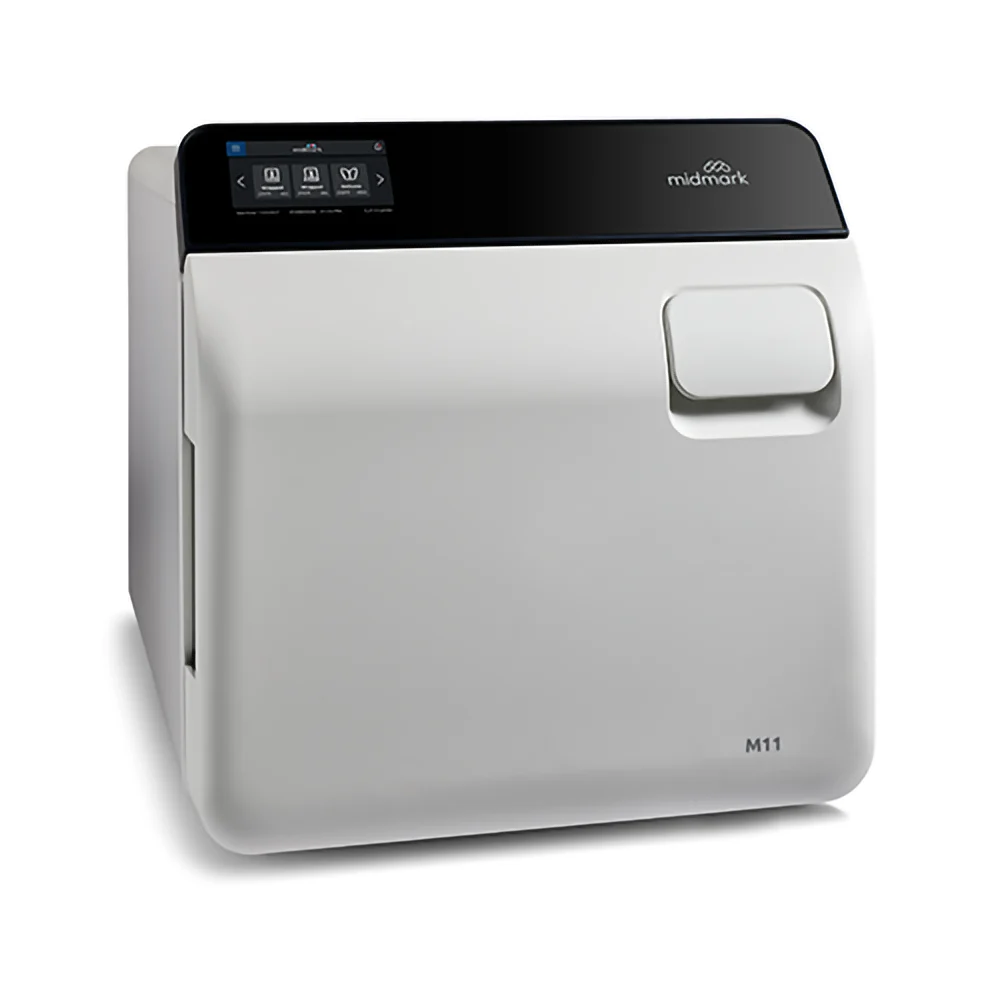
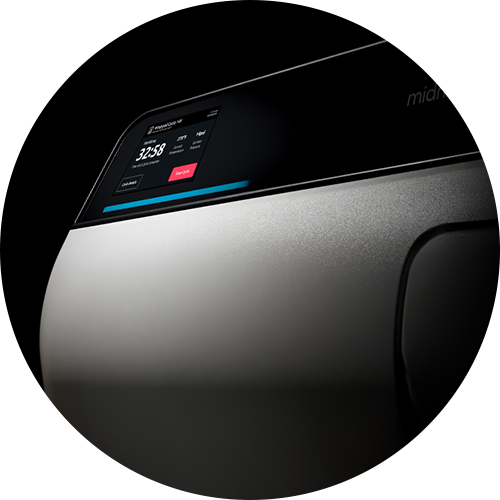
The focal point of any IP program is the sterilizers, like the Midmark M9® and M11® Steam Sterilizers. Not all sterilizers are created equal, so understanding sterilizer functionality and features is important. If sterilizers are not providing the performance needed, they may impact efficiency levels, which could damage the reputation of the center and potentially put patients at risk from contaminants.
The following are four ways ASCs can lose valuable time if their sterilizers are not performing the way they need them to perform.
- Sterilizers that can’t keep pace with case volume
This is one of the most common challenges ASCs face. As surgical schedules become more complex and procedure volumes increase, instrument turnaround becomes increasingly important. If sterilizers require lengthy cycle times or have limited capacity, staff may find themselves waiting for instruments needed for upcoming appointments. Midmark autoclave sterilizers are built for high-cycle ASC throughput. - Autoclave sterilizers that demand more space than ASC layouts can support
Space is a premium resource in most ASCs. Every square foot must support patient care, clinical operations or revenue-generating activities. When sterilizers occupy more space than an ASC can efficiently accommodate, facilities may be forced to compromise workflow design and staff may have to navigate inefficient instrument flows. Midmark tabletop autoclaves fit the compact footprints common in ASC sterilization areas. - Compliance documentation that adds manual steps
Sterilization cycles must be documented, monitored and traceable to demonstrate adherence to industry standards and accreditation requirements. However, many ASCs still rely on manual documentation processes that create additional workload for staff and introduce opportunities for inefficiency and error. Midmark sterilizers feature simplified compliance recording to automate documentation processes. - Mistakes and skipped steps that pose risk to both staff and patients
When staff members are rushed, overloaded or working around inefficient processes, the likelihood of mistakes increases. Even highly trained professionals can experience lapses when sterilizers are difficult to operator or require excessive manual intervention. Midmark sterilizers offer Intuitive operation that supports proper instrument processing, regardless of the user.
Whether you operate one or more ASC, Midmark can help you ensure that your IP workflow is not creating bottlenecks that negatively impact patient safety and throughput. For more information, visit the Midmark resource center for ASCs.