




















Maximizing Patient Care with Efficient, Automated Vital Signs Acquisition

By:
Marketing Manager, Midmark Medical
November 2, 2026
Vital sign measurements are often the first clinical indicators collected during a patient encounter and are captured at nearly every patient visit. That’s why it’s so important that your vital signs process is as accurate and effective as possible. Relying on manual vital signs processes can increase the risk of errors and inefficiencies that could compromise both the quality of care and patient outcomes.
For instance, in order to properly diagnose and treat hypertension—a major risk factor for coronary heart disease, stroke and renal failure—you need to obtain accurate blood pressure (BP) information that includes both current BP measurements and trending data. Inaccurate BP measurement can lead to either a missed diagnosis or misdiagnosis, both of which can cause harm to patients by either not appropriately treating hypertensive patients or medicating patients who are not hypertensive, respectively.
Additionally, a Midmark workflow analysis found that taking a few steps, including moving vital signs into the exam room and implementing automated vital signs, could reduce conveyance and acquisition time by as much as 36%. It discovered that a disconnected vital signs workflow was associated with up to 69 additional seconds per patient compared with the evaluated automated workflow.
That equates to 5% of wasted time per medical assistant or approximately $1,920 per year. Whether it’s a single practice with five medical assistants (5 x $1,920 = $9,600) or 500 medical assistants (500 x $1,920 = $960,000) spread across multiple facilities, that is a significant amount of waste.
And when you consider that manual transcription of vital signs data produces a 18.75% rate of error on average, it’s easy to see how an automated vital signs device can help medical assistants standardize the process, reduce opportunities for transcription errors, streamline workflow and improve the patient care experience.
Supporting Improved Accuracy, EMR Connectivity and Workflow Efficiency
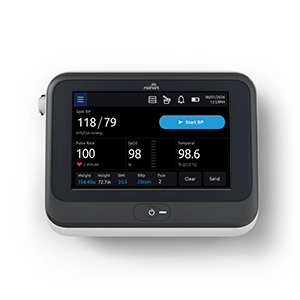
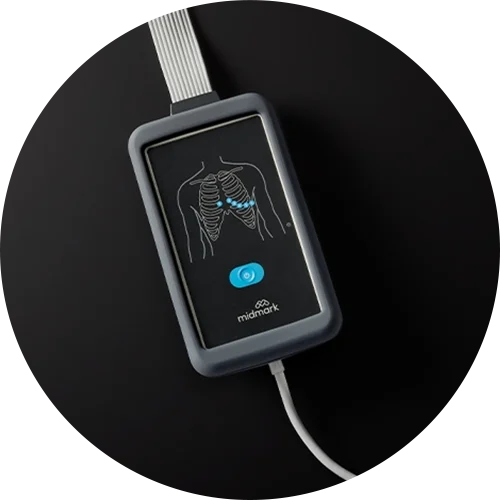
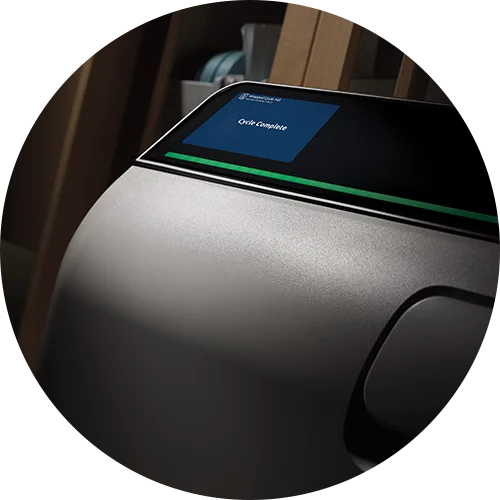
That’s why we’ve introduced the Midmark 800 Digital Vital Signs Device. The new Midmark 800 allows healthcare providers to capture a full set of automated vitals, including blood pressure, temperature and pulse rate with optional SpO2 and respiration rate, eliminating manual entry. A new large, high-contrast touchscreen offers easy viewing from a distance to help healthcare providers work efficiently.
Healthcare providers can connect the Midmark 800 to leading EMR platforms to send automated vital signs directly into the patient chart, helping to reduce manual steps and opportunities for transcription errors while supporting accurate and timely documentation of patient data. Midmark Connect is the bridge between the device and the EMR, allowing you to launch, acquire, review and save tests directly from within the EMR interface without manual data transcription.
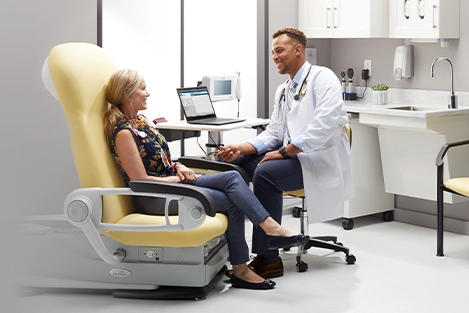
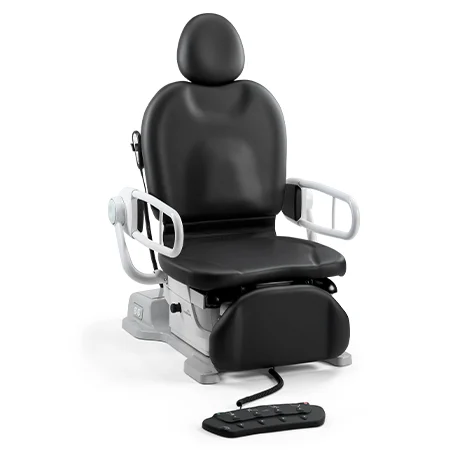
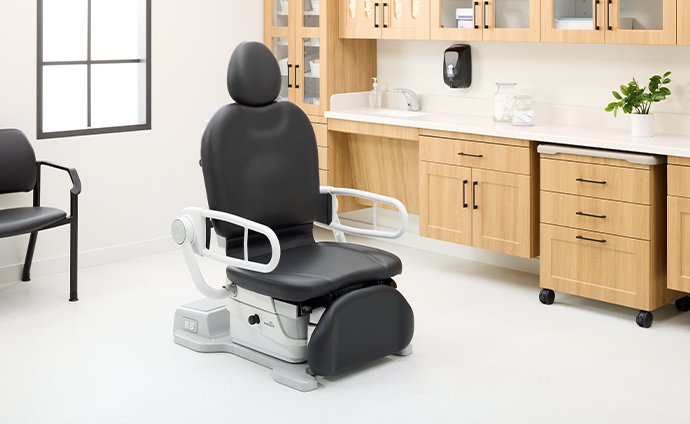
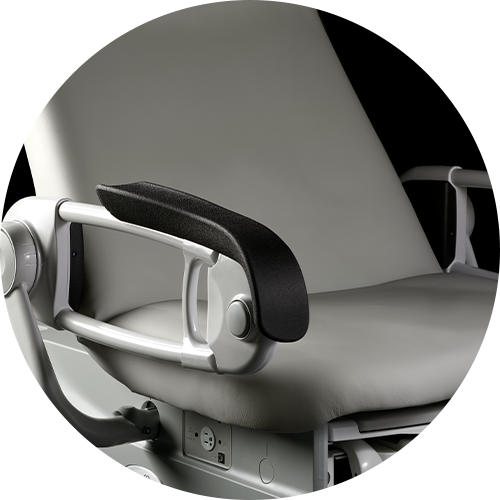
The Midmark 800 Digital Vital Signs Device includes built-in SPRINT protocol with patient positioning prompts as well as spot, custom and averaging BP modes. The device also offers linear and step deflation NIBP methods. In addition, the Midmark 800 can connect to a Detecto floor scale or a Midmark 626 Barrier-Free Examination Chair with an integrated digital scale, allowing patients to be weighed from the comfort of the exam chair and supporting staff workflow.
Rethink the Vital Signs Workflow
We understand a one-size-fits-all approach simply does not work when it comes to vital signs measurement at the point of care. Every practice is different, and so is every workflow. With the Midmark 800 Digital Vital Signs Device, you can configure vital signs capture to fit your environment, without sacrificing the benefits the device can deliver. The following are just a few examples of the different configurations.
Manual documentation can look like a small task when viewed through the lens of a single visit. Across a full schedule, however, the same sequence repeats: capture the measurement, record it temporarily, find the right chart and field, retype the value, verify it and correct it if needed. When weight comes from a separate scale or a device is located outside the exam room, it may add more movement and another data handoff.
In one study, paper-recorded measurements that were later keyed into an EMR had an 18.75% error rate.1 A separate ambulatory workflow observation compared a traditional process with in-room, automated vital signs and weight capture connected to the EMR. The connected workflow reduced the average process from 187 seconds to 118 seconds, a 69-second difference per patient.2 Actual results will vary by care setting, room design, EMR configuration, device setup and staff workflow. The difference between manual and connected workflows remains: removing repeated steps can save time during the vital signs process.
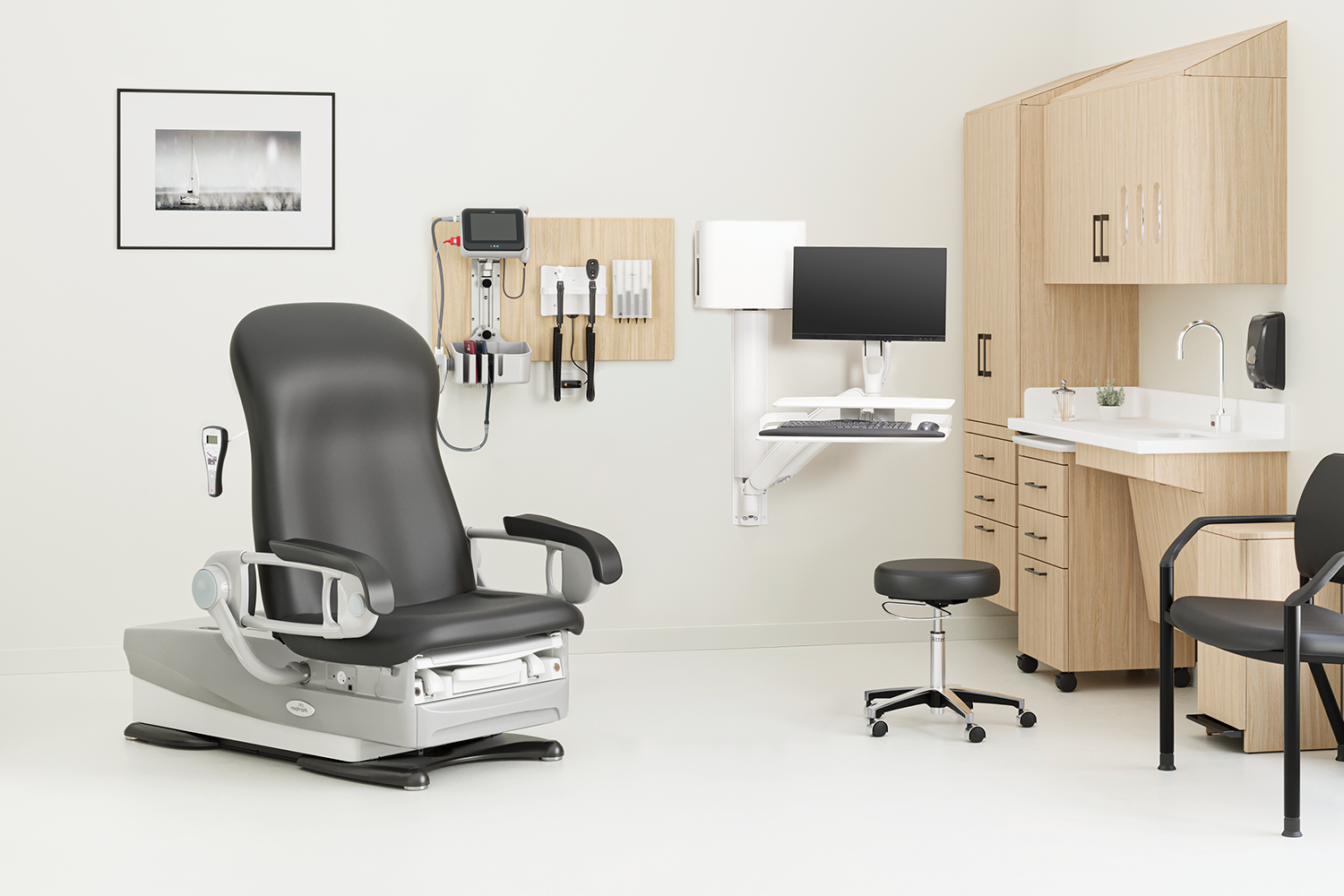
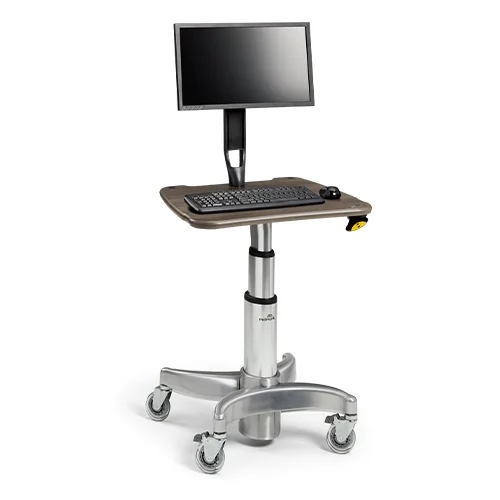
— In-room vitals device with in-room PC. This is best suited for environments where equipment stays in one location. The device remains in the room connected to a dedicated PC so staff can log in and capture vital signs measurement immediately, reducing interruptions and helping ensure consistent data flow.
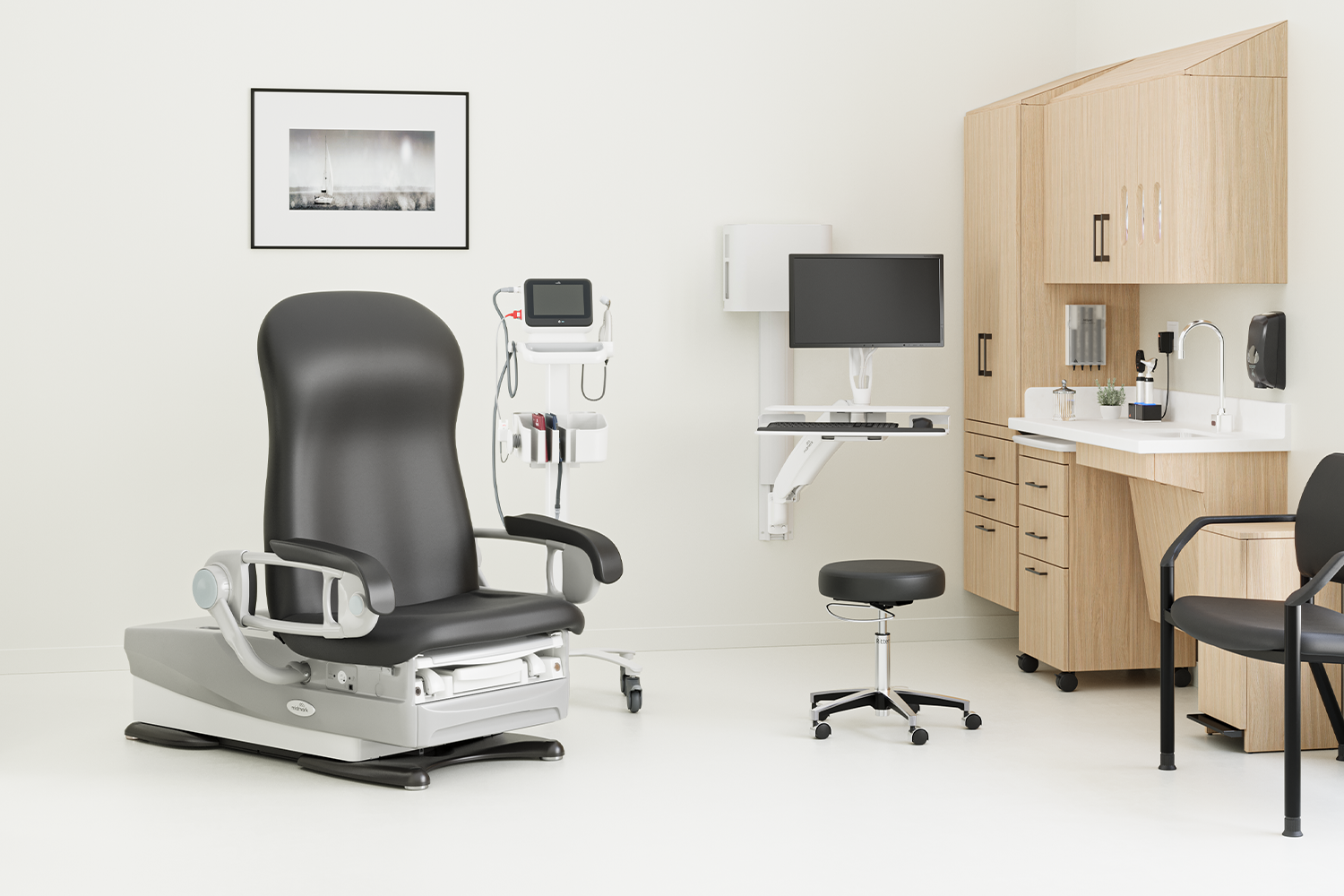
— Mobile vitals device with in-room PC. This is best for when each exam room has a dedicated computer. The device can still move between rooms as needed. Simply bring the device to the room, connect to the PC and capture vital signs measurements that transfer directly to the EMR.
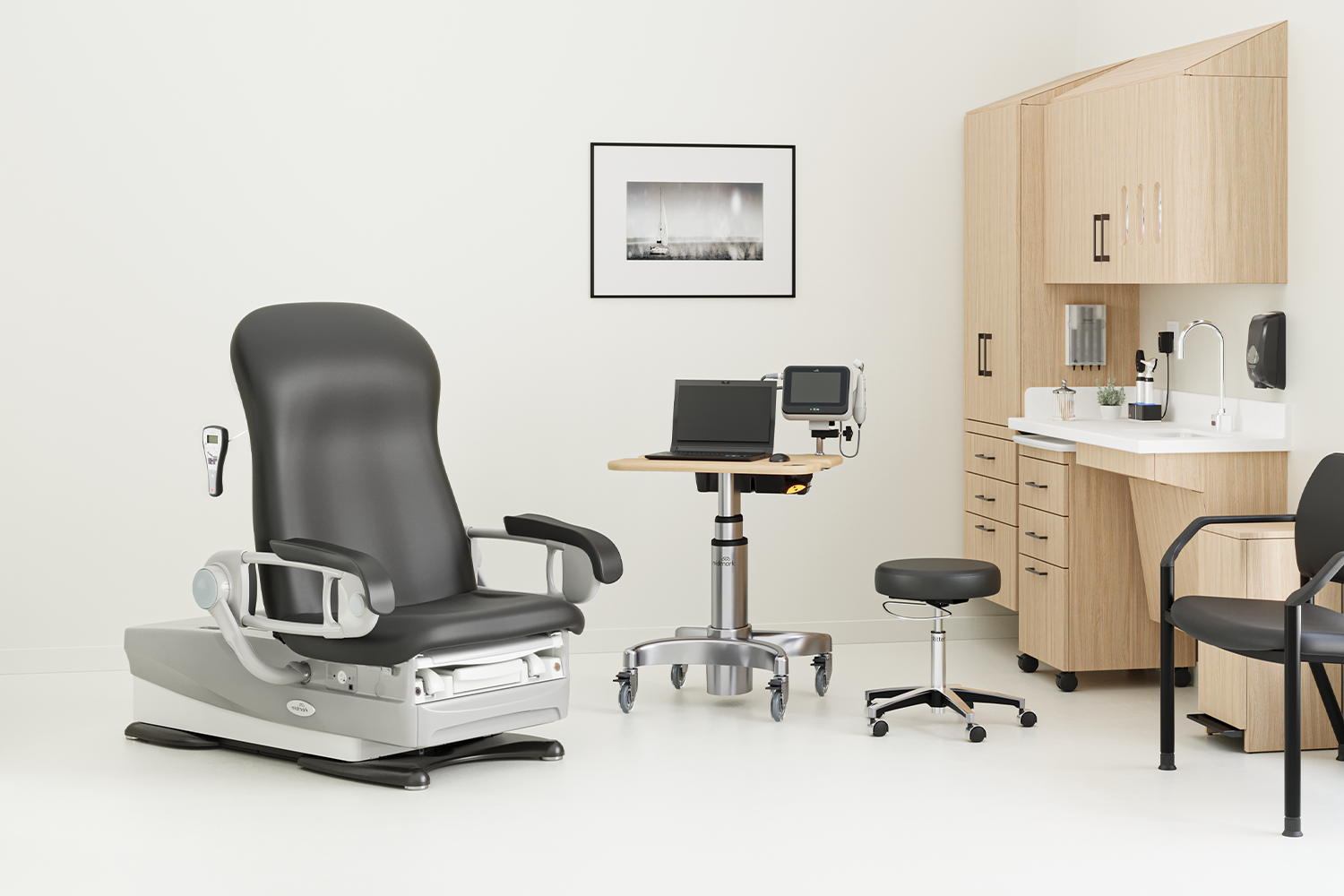
— Mobile vitals device with mobile PC. Ideal for laptops or shared workstations, this option lets the vital signs device move easily between rooms, ensuring a lasting connection while results sync directly into the EMR, saving time across busy schedules.
To learn more, visit Midmark Digital Diagnostic Solutions.