


















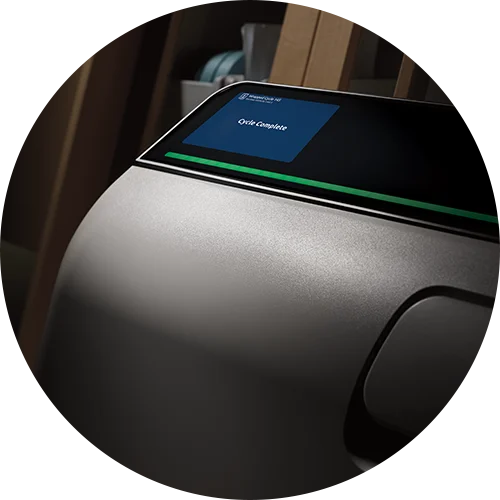












The Sterilizer Isn't the Whole Story: Strengthening Instrument Processing Workflows

By:
Clinical Solutions Advisor, Midmark
Ocrtober 5, 2026
The Sterilizer Can't Fix What Happens Before the Cycle
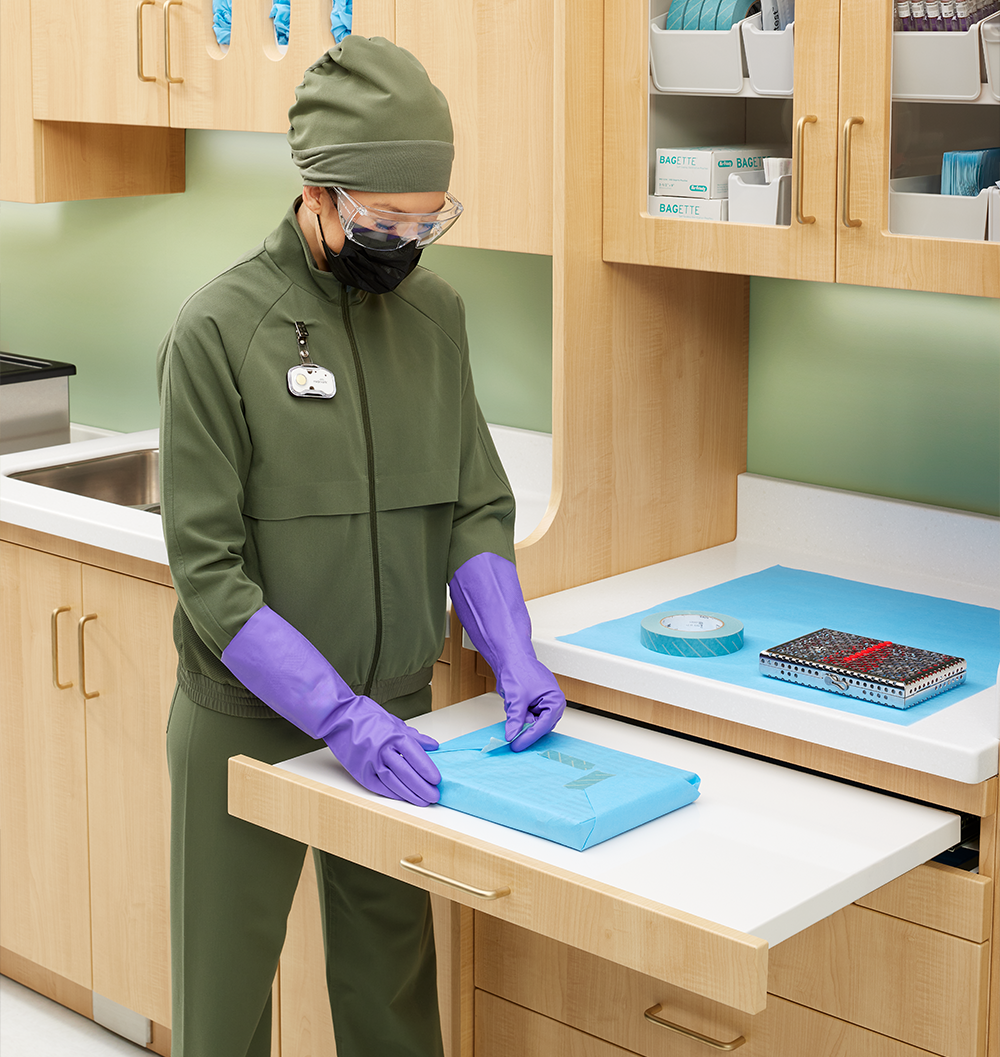
A successful sterilization cycle begins long before instruments enter the sterilizer. While modern sterilizers are designed to achieve validated sterilization parameters, they cannot compensate for instruments that have not been properly prepared. The effectiveness of the sterilization process depends on the quality and consistency of every step that comes before it.
Thorough cleaning is the foundation of IP. Blood, tissue and other organic material can shield microorganisms from the sterilization process, making it difficult for steam or another sterilant to contact all instrument surfaces. This is why the CDC Guideline for Disinfection and Sterilization in Healthcare Facilities and ANSI/AAMI ST79 emphasize cleaning as an essential prerequisite to sterilization, not an optional step. Following manufacturers' instructions for use (IFUs) and using the appropriate cleaning methods for each device help ensure instruments are ready for sterilization.
Before packaging, inspect cleaned and dried instruments for residual debris, damage and proper function. Verify that hinged instruments move freely and that cutting surfaces remain intact. Proper packaging and loading are equally important. Appropriate sterilization pouches or wraps, proper tray organization and avoiding overloaded loads help ensure the sterilant can circulate effectively throughout the cycle.
When clinics focus only on whether the sterilizer cycle passed, they may overlook these upstream steps that directly influence the outcome. Effective instrument processing depends on a series of interconnected steps and every one of them matters.
Don't Overlook What Happens After the Cycle
A successful sterilization cycle is not the final step in IP. Once instruments are removed from the sterilizer, proper drying, handling and storage are essential to maintaining sterility until the time of use. Even when cycle parameters have been achieved, post-sterilization practices can influence whether instruments remain safe for patient care.
Sterilized Instruments should be allowed to cool and dry completely before they are handled or placed into storage. Moisture can compromise package integrity and increase the risk of contamination. If a package is found to be wet after sterilization, the instruments inside it should no longer be considered sterile and should be completely reprocessed according to the manufacturer’s IFU, facility policy and current guidelines. Likewise, excessive handling, damaged packaging or storing instruments in unsuitable environmental conditions can compromise package integrity before the instrument is ever opened for patient care.
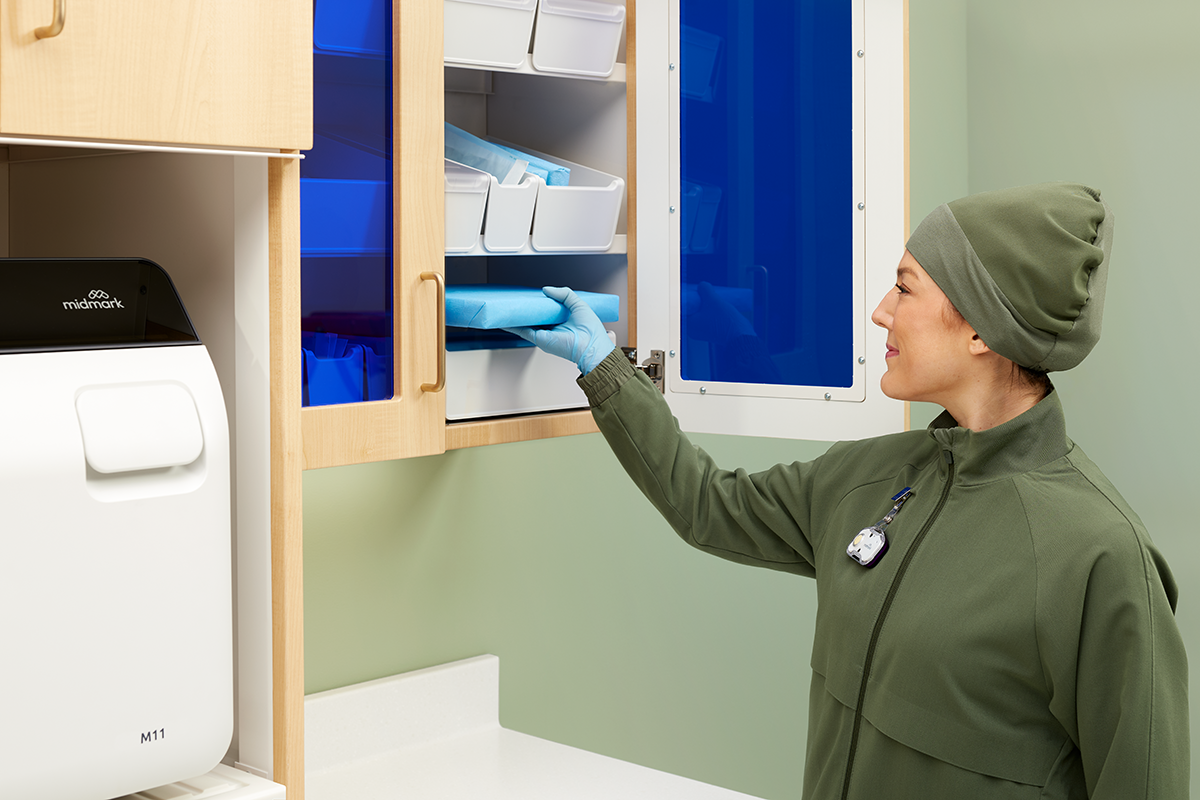
Maintaining sterility after processing also depends on thoughtful storage practices. Sterile packages should be protected from moisture, dust and unnecessary handling to avoid packing damage, and stored in designated clean areas that support package integrity. Rather than relying on an expiration date alone, many healthcare organizations follow the principle of event-related sterility, meaning an item remains sterile unless an event, such as package damage, moisture exposure or improper handling compromises it.
Safe IP does not end when the sterilizer door opens. It extends through every interaction with the instrument until it reaches the patient, reinforcing that consistent practices are just as important after the cycle as they are before it.
Safe Processing Is a Workflow—Not a Single Event
Safe IP is not defined by a single successful sterilization cycle. It is the result of a standardized process that begins when an instrument is used and continues until it is opened for the next patient. Each step from point-of-use treatment and cleaning to inspection, sterilization, storage and handling contributes to maintaining instrument safety and reducing the risk of contamination.
Because every stage of IP is interconnected, variation at any point in the process can affect the integrity of the entire workflow. Standardized procedures, ongoing staff education and routine monitoring help promote consistency and support compliance with evidence-based guidelines. Periodic competency assessments and process audits can also help identify opportunities for improvement before they become patient safety concerns.
As healthcare environments continue to evolve, maintaining a reliable IP system requires more than well-maintained equipment. It requires a shared commitment to consistent practices, attention to detail and continuous quality improvement. By viewing instrument processing as a complete workflow rather than a single event, healthcare personnel can strengthen process reliability and help ensure instruments are ready for every patient.
Key Takeaways
- Recognize that safe IP begins before the sterilizer cycle and continues through storage and handling.
- Prioritize thorough cleaning, drying, inspection and packaging before sterilization.
- Protect sterility through proper sterilization, drying, storage and handling after the cycle.
- Support consistency through standardized procedures, staff competency and routine monitoring.
- Remember that every step in the IP cycle contributes to patient safety.
Additional Reading
- Dirty-to-Clean Flow: The Clinical Foundation of Safe Instrument Processing
- Four Questions You Need to Ask About Your Sterilizers
- The Anatomy of a Sterilizer: Building Healthy Habits
About the Author
With a background in critical care and trauma nursing and an MBA focused on the medical device industry, I bring both clinical and business perspective to my role. My experience in the ICU and as a care flight nurse reinforced the importance of reliable equipment, standardized processes and strong clinical judgment in driving patient outcomes. As Clinical Solutions Advisor at Midmark, I partner with customers and cross-functional teams to address complex clinical needs, support product performance and strengthen clinical alignment across the product lifecycle. I am passionate about the connection between clinical accuracy, workflow and technology—ensuring healthcare professionals have both the tools and the practical insight needed to deliver high-quality care.