




When Stress Skews the Numbers: Why Resting BP Matters

By:
Inside Sales Support, Midmark












We See It
Rethinking the Exam Room - AIA Credit
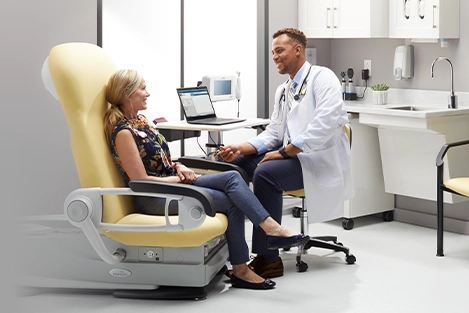
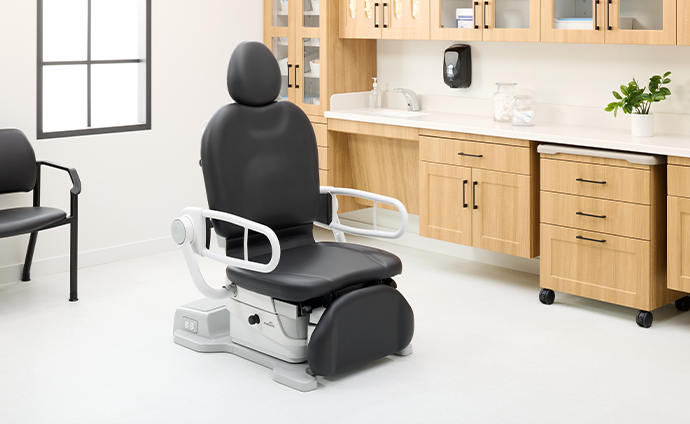
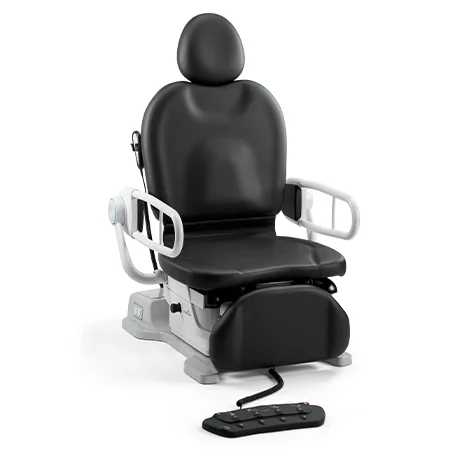
The right procedure room equipment can make a crucial difference in both patient outcomes and caregiver safety. Particularly for patients...
Explore the 631 Procedure Chair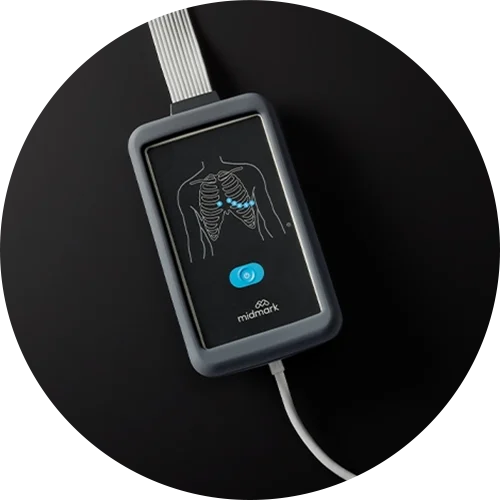










By:
Inside Sales Support, Midmark
Blood pressure (BP) measurement is one of the most routine procedures in clinical care, yet small differences in how and where it is performed can influence results and subsequent interpretation. Transient BP elevations associated with the presence of a provider or care team—commonly referred to as a white-coat response—are frequent and reflect situational stress rather than sustained physiologic BP. Long-term outcome data does not support using non-rested or stress-associated office BP readings obtained without standardized positioning, appropriate cuff sizing, or averaging to establish cardiovascular risk or guide hypertension treatment decisions.
Across large population-based cohorts, cardiovascular events and mortality correlate more closely with BP measured under standardized, resting conditions than with routine single in-office readings. As a result, accurate hypertension diagnosis and risk classification depend on BP obtained using standardized technique after adequate rest, with multiple readings averaged and confirmation through a structured, repeatable program of home or ambulatory BP monitoring when indicated.
Clinical guidelines recommend confirming elevated in-office BP via home or ambulatory BP monitoring before establishing a diagnosis of hypertension. Evidence demonstrates that BP readings obtained under resting or out-of-office conditions correlate more closely with cardiovascular morbidity and mortality than single, stress-related in-office measurements and can strengthen diagnostic accuracy.
Resting, standardized BP measurement therefore remains foundational to accurate classification and effective hypertension management.
Reliable BP measurement requires protocol adherence: patient seated, back supported, feet flat on the floor, arm supported with cuff at heart level and no conversation during measurement. The patient should rest quietly 5 minutes prior to measurement and the appropriate cuff size must be used per the American Heart Association (AHA) guidelines.
Automated or unattended measurement techniques (which reduce observer bias and improve reproducibility) were validated in the Systolic Blood Pressure Intervention Trial (SPRINT). This methodology removed human variability and ensured that outcomes reflected true physiological BP, not situational stress.
White coat hypertension is defined as persistently elevated BP readings obtained in the clinical setting, while readings obtained outside the clinic environment using ambulatory or home BP monitoring remain within the normal range. Meta-analyses show that untreated white coat hypertension can carry an intermediate cardiovascular risk (higher than normotension but lower than sustained hypertension) and therefore warrants continued monitoring and verification rather than immediate pharmacologic treatment.
Across major US and international guidelines, a single message is consistent - Resting, standardized in-office BP measurement provides the groundwork for hypertension diagnosis and confirmation by home or ambulatory monitoring are essential to ensure accuracy and avoid misclassification.
It is important to differentiate between value and diagnostic validity. A transient elevation in BP during examination may reflect patient anxiety, pain or autonomic reactivity, factors of clinical interest but not necessarily diagnostic significance.
To reduce variability and misclassification, a structured, evidence-based technique for BP assessment when diagnosing hypertension includes:
Accurate BP measurement is a clinical quality metric, not a clerical task. When rest periods, positioning and device accuracy are neglected, clinicians’ risk:
While white coat responses may reveal aspects of autonomic reactivity, BP measurements obtained under these conditions are not reliable for establishing a diagnosis of hypertension. Only resting, standardized BP provides a reproducible and valid basis for risk assessment and therapeutic decision-making. Reinforcing this discipline across workflow, device selection and measurement protocols protects patients from potential harm and elevates diagnostic accuracy.
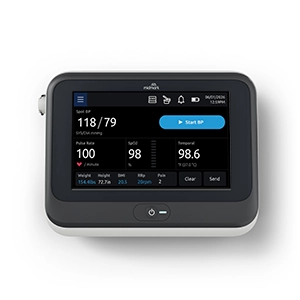
At Midmark, clinical workflow design and device integration are intentionally aligned to support standardization—enabling clinicians to trust BP measurements that meet the expectations of evidence-based medicine.