
































Biofilm in the Waterlines:
A Hidden Threat to
Veterinary Dentistry

By:
Marketing Manager, Midmark Veterinary
January 7, 2026
The Contaminants You Can’t See Can Still Reach Your Patients
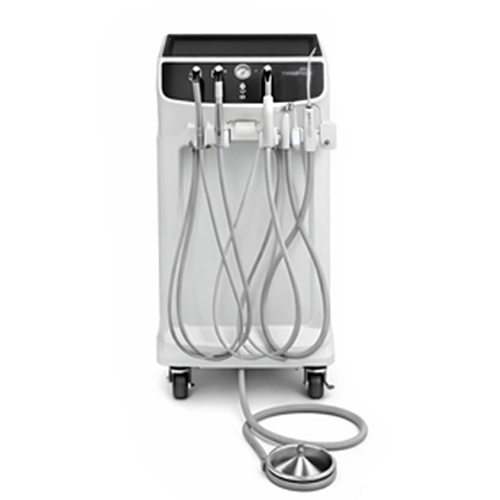
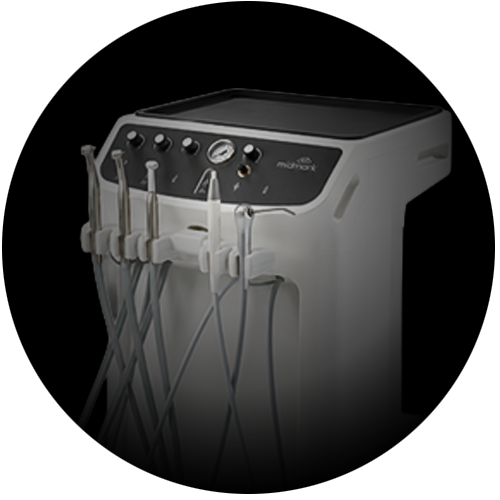
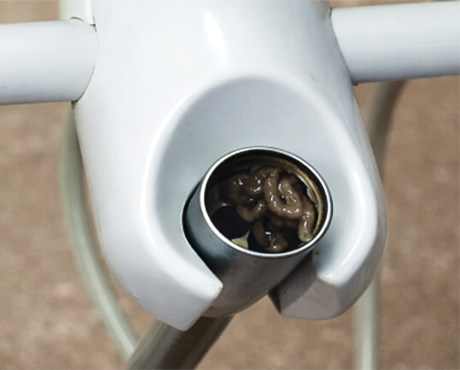
You wouldn’t drink water from a faucet you knew was contaminated, even if it looked clean on the outside. Your veterinary dental unit waterlines (DUWLs) could be harboring the same kind of microbial buildup—hidden from view. If you were to cut open those narrow tubes and look inside, you might find a slimy mix of bacteria, fungi and other microorganisms clinging to the walls, flowing straight into the mouths of your patients during routine dentistry.
This contamination, known as biofilm, thrives inside waterlines, where conditions are warm, moist and difficult to access. Because these narrow tubes are hidden from view, biofilm can form quickly and multiply to hazardous levels that can compromise patient safety and undermine your practice’s reputation.
Bacteria by the Numbers
The EPA potable water standard for safe use is ≤500 CFU/mL1 (colony-forming units per milliliter). But without routine testing and treatment, contamination inside dental unit waterlines can quickly exceed this threshold.
According to published research:
• New waterlines can spike to 200,000 CFU/mL2 within just five days.
• Untreated systems may reach over 1,000,000 CFU/mL3.
Even in practices that flush water between patients, biofilm can persist and regrow—making routine disinfection essential to maintain water quality within safe limits.
What Not to Do
Some clinics attempt to flush DUWLs with bleach or general-purpose disinfectants. While well-intended, this approach is ineffective against biofilm and can damage internal system components. These shortcuts often lead to costly repairs and downtime, or recurring contamination.
What Works: Effective Waterline Treatment
Veterinary-specific waterline maintenance options are both effective and easy to implement:
• Cartridge-based systems provide continuous treatment as water flows.
• Tablet-based treatments help maintain safe microbial levels between shocks.
• Routine testing verifies that treatment protocols are working as intended.
Always choose products that are EPA-registered and manufacturer-approved for your dental delivery equipment. Regular monitoring and maintenance help protect both patients and your investment.
Routine Maintenance Supports Safer Veterinary Dentistry
Biofilm control is not just a regulatory concern—it’s a clinical imperative. A consistent DUWL protocol reduces the risk of exposing patients to waterborne pathogens, supports infection prevention and helps extend the life of your equipment.
Veterinary dentistry depends on more than instruments and technique. It requires water that meets the highest standards of cleanliness, including the waterlines that carry it to the patient.
Further Reading:
Explore:
Sources
1. EPA: Table of Regulated Drinking Water Contaminants
2. Barbeau J., Tanguay R., Faucher E., Avezard C., Trudel L., Cote L., Prevost A.P. (1996). Multiparametric Analysis of Waterline
Contamination in Dental Units. American Society for Microbiology, 62(11):3954–3959.
3. CDC MMWR: Guidelines for Infection Control in Dental Health-Care Settings – 2003.