






























From Cage to Care Unit:
A Quiet Shift in
Veterinary Housing

By:
Senior Marketing Manager, Midmark Veterinary
December 1, 2025
Why Today’s Housing Units Are More Than Just Cages
For years, stainless steel cages were just a part of the background—necessary, durable and easy to clean. But the way we think about recovery and patient comfort has changed. And so has the housing.
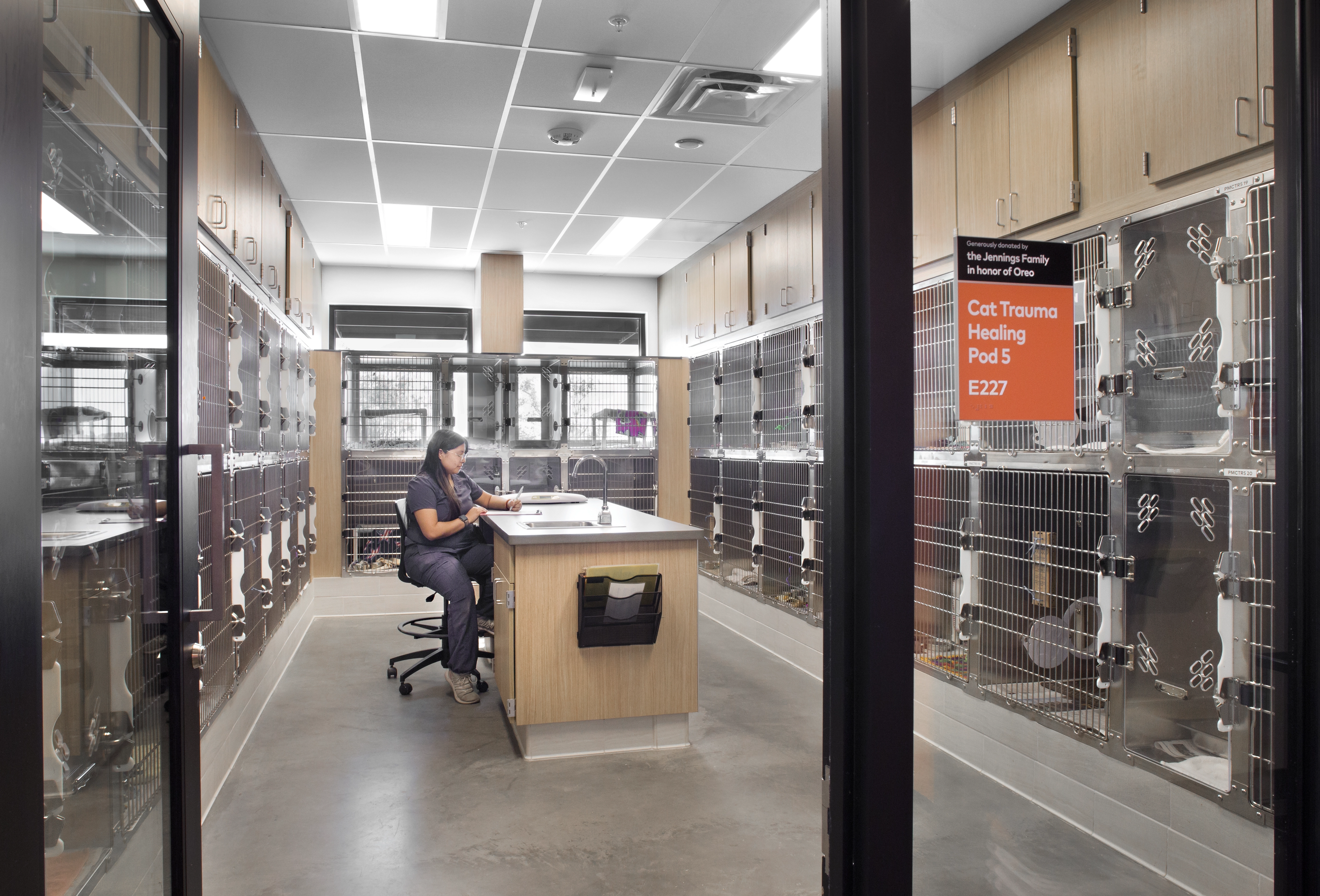
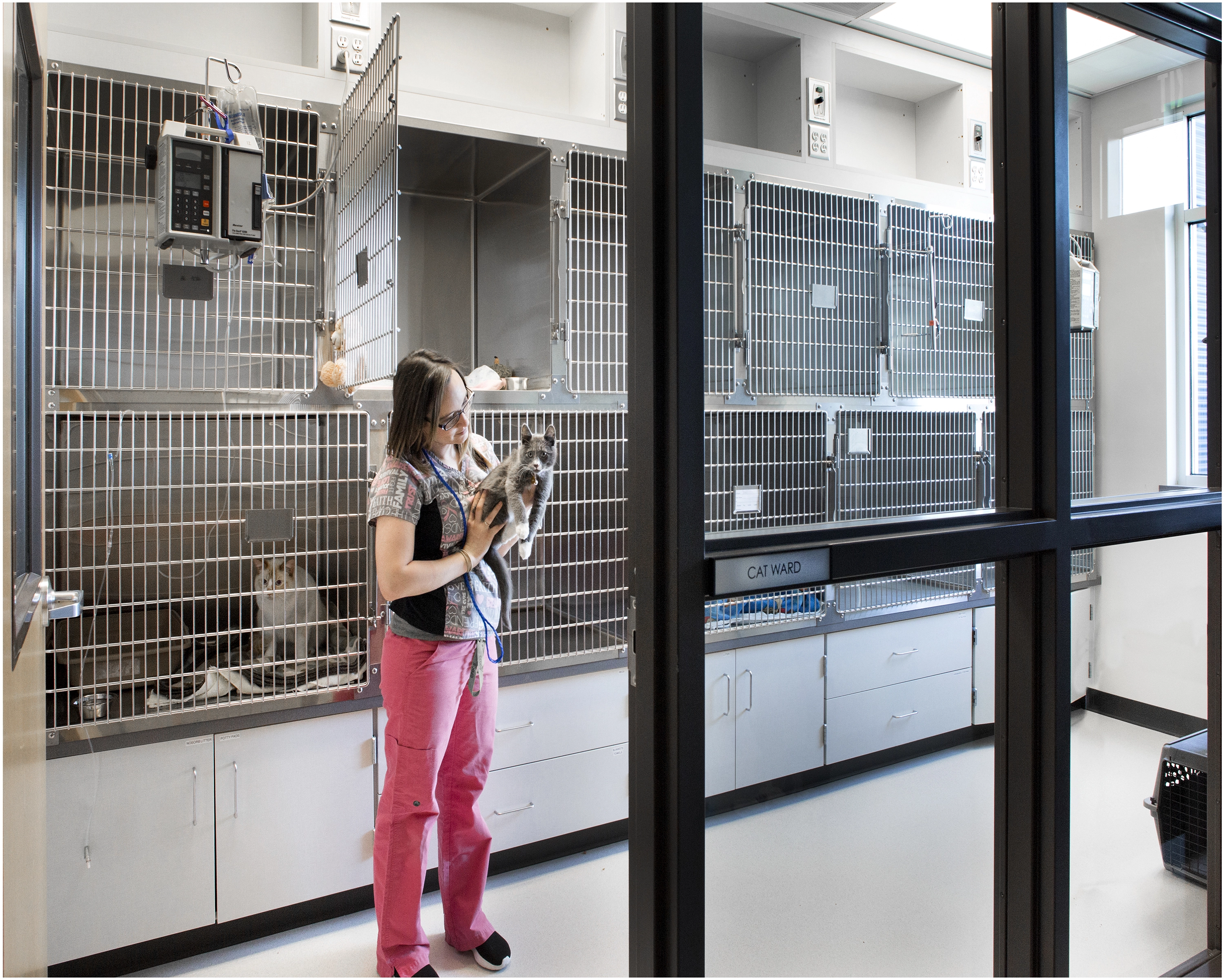
Today’s housing units are built to do more than just contain. They help calm patients, make care easier for your team and adapt to the way you practice. It’s not about adding bells and whistles. It’s about purposeful designs that work quietly in the background to make care better.
Less Stress, More Comfort
Stress takes a measurable toll on recovering patients. Elevated cortisol can slow healing, increase infection risk and make care harder. That’s why many modern housing systems are designed with features that help reduce stimulation to create a safer, quieter environment.
• Quieter latches and softer closures limit noises that can startle.
• Privacy panels can reduce visual stimuli and stress.
• Sturdy construction that won’t rattle or shift under the
occupant's weight.
These aren’t big changes, but they make a big impact—especially for sensitive or post-operative patients who need a calm space for recovery.
Built to Keep Up With You
Your day isn’t predictable. Whether you’re managing fluctuating caseloads or adjusting post-op protocols, housing that can adjust to changing needs gives you more options without adding steps to your workflow. Flexible features include:
• Oxygen doors that can be swapped in as needed.
• Divider panels that adapt housing units to accommodate different patient sizes.
• Ventilation options that balance airflow and cleanability.
Instead of retrofitting or improvising, today’s housing systems are built to adapt with your care needs.
A Space That Supports Recovery
Recovery is an active phase of care—not a waiting game. Housing plays a bigger role here than many realize. A well-designed enclosure supports:
• Visibility so you can check in without disturbing patients.
• Stability that gives animals secure footing.
• Durable, easy-to-clean materials that help maintain hygiene.
When housing supports comfort and safety, your patients can recover more smoothly and your team can stay focused on care.
Let Your Space Reflect Your Standard of Care
Clients may never walk through your recovery area, but the care that happens there still tells a story. The right housing shows that your team is thoughtful, up to date and serious about patient well-being.
Housing isn’t just background equipment anymore. It’s part of the care plan. And it should reflect the same level of intention you bring to everything else.