


























How to Choose a Dental Sterilizer:
Understanding Long-Term Costs

By:
Marketing Manager, Midmark Dental
Oct 31, 2026
Part 5 of the “How to Choose a Dental Sterilizer” series.
When purchasing a dental sterilizer, it's natural to consider the upfront price. But the initial investment is only part of what you'll spend over the life of the equipment.
From routine maintenance and replacement parts to consumables, service and labor time, ongoing expenses can add up. A sterilizer with a lower purchase price may ultimately cost more to own and operate.
So, how can you evaluate the true cost of a sterilizer before making your decision? Here are five factors to consider.
1. Routine Maintenance and Service
Every sterilizer requires routine care to support safe, effective operation. However, maintenance requirements and recommended service intervals can vary significantly between models.
Some sterilizers recommend professional technician service as frequently as every 1,000 cycles, while others are designed to operate much longer between scheduled service visits. Daily maintenance requirements can also differ significantly.
When comparing sterilizers, ask:
- What daily, weekly and monthly maintenance is required?
- How frequently is professional technician service recommended?
- What parts need periodic replacement? Are they readily available?
- What are the estimated costs of scheduled maintenance and service?
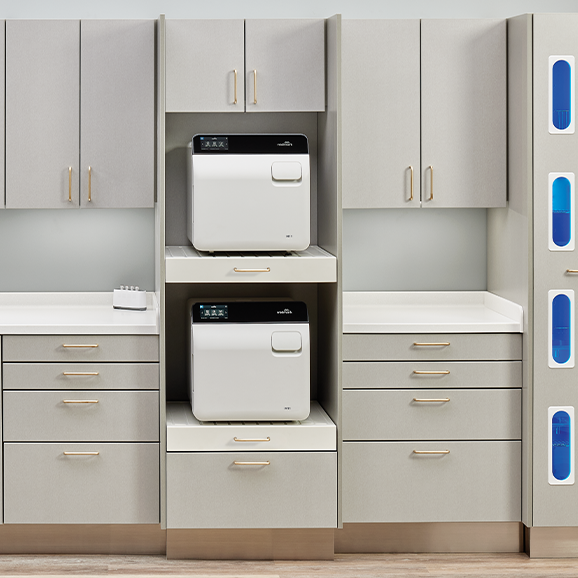
Next-generation Midmark M9® and M11® Steam Sterilizers are designed to help minimize maintenance time and costs.
Unlike some other dental autoclaves, Midmark sterilizers require no scheduled technician service during their 25,000-cycle (or 10-year) cycle life. They're also designed to help simplify routine care with maintenance reminders, step-by-step tutorials, onscreen guidance and automated maintenance history tracking for daily, weekly and monthly care routines. And they keep daily care surprisingly simple—just wipe down the exterior surfaces and door gaskets, inspecting the gaskets for damage as you go.
2. Testing Requirements and Consumables
Not all sterilization technologies have the same testing requirements or use the same consumables.
For example, pre-vacuum sterilizers require routine Bowie-Dick testing to verify adequate air removal and detect potential problems. Depending on the system, practices may also need to purchase replacement air or water filters and other consumables.
Although individual costs may seem relatively small, recurring purchases can become a significant expense over several years.
Consider whether the sterilizer requires:
- Daily Bowie-Dick testing
- Periodic air or water filter replacement
- Additional cleaning products or specialized consumables
- Other manufacturer-required testing or maintenance supplies
Midmark autoclaves use steam flush pressure pulse (SFPP) technology for dynamic air removal, eliminating the need for vacuum pumps and associated Bowie-Dick testing. They also operate without air or water filtration systems that require periodic filter replacement.
These design differences can help reduce recurring expenses without compromising effective sterilization.
3. Team Member Time and Labor
The cost of operating a sterilizer goes beyond parts and supplies. Every additional maintenance task, test or documentation requirement takes time away from other responsibilities.
Consider the cumulative impact of a task requiring just 10 minutes each workday. Over 250 working days, it adds up to more than 40 hours annually.
When evaluating a sterilizer, look for features that help simplify daily operation, maintenance and recordkeeping.
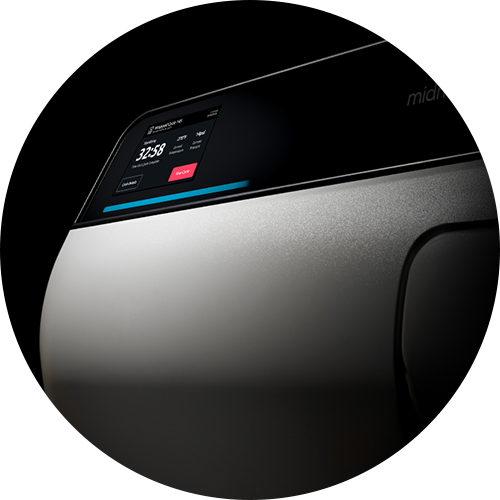
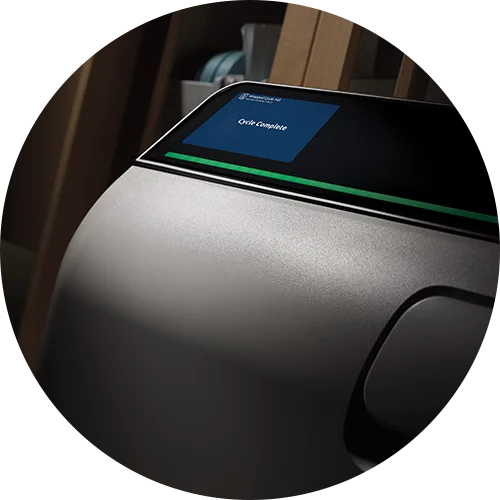
For example, next-generation Midmark sterilizers feature a 5-inch touchscreen with intuitive controls and onscreen guidance to help simplify daily operation and reduce the time needed for training. Visual and audible cues also help teammates monitor cycle progress from a distance, reducing the need to repeatedly stop and check on the sterilizer. Together, these features help minimize the time and labor associated with instrument processing.
4. Equipment Reliability and Potential Downtime
When a sterilizer is unavailable, the impact can extend beyond the cost of repairing or replacing a component. A practice may need to adjust instrument processing schedules, delay procedures or rely more heavily on backup equipment. Unexpected disruptions can affect team productivity and patient scheduling.
While no sterilizer is immune to service needs, equipment design, durability and maintenance requirements can influence the likelihood of interruptions.
Before purchasing, consider:
- How many components may require service or replacement?
- What is the manufacturer's expected equipment lifespan?
- What warranty and service support are available?
- How might unexpected downtime affect instrument processing and patient schedules?
Choosing a sterilizer designed for long-term durability and straightforward maintenance can help reduce the potential for costly disruptions. Midmark sterilizers are engineered for reliability and backed by both a 2-year limited product warranty and a 1-year labor warranty, helping provide added peace of mind and protection for your investment.
5. Expected Equipment Lifespan
A sterilizer is a long-term investment, making its expected lifespan an important part of the purchasing decision. A lower-priced autoclave that requires frequent repairs or earlier replacement may ultimately cost more than equipment designed for longer service life.
When comparing steam sterilizers (autoclaves), consider the manufacturer's stated service life, expected maintenance costs and potential replacement timeline.
Midmark sterilizers are engineered for a 25,000-cycle or 10-year service life, helping practices plan for long-term equipment use and predictable maintenance needs.
Look Beyond the Purchase Price
The right sterilizer should meet your practice's clinical needs while delivering lasting value.
Before making your decision, compare the full picture: purchase price, recommended maintenance, consumables, teammate labor, service requirements and expected equipment lifespan.
By looking beyond the initial investment, you can make a more informed choice and potentially save thousands of dollars over the lifetime of the equipment.
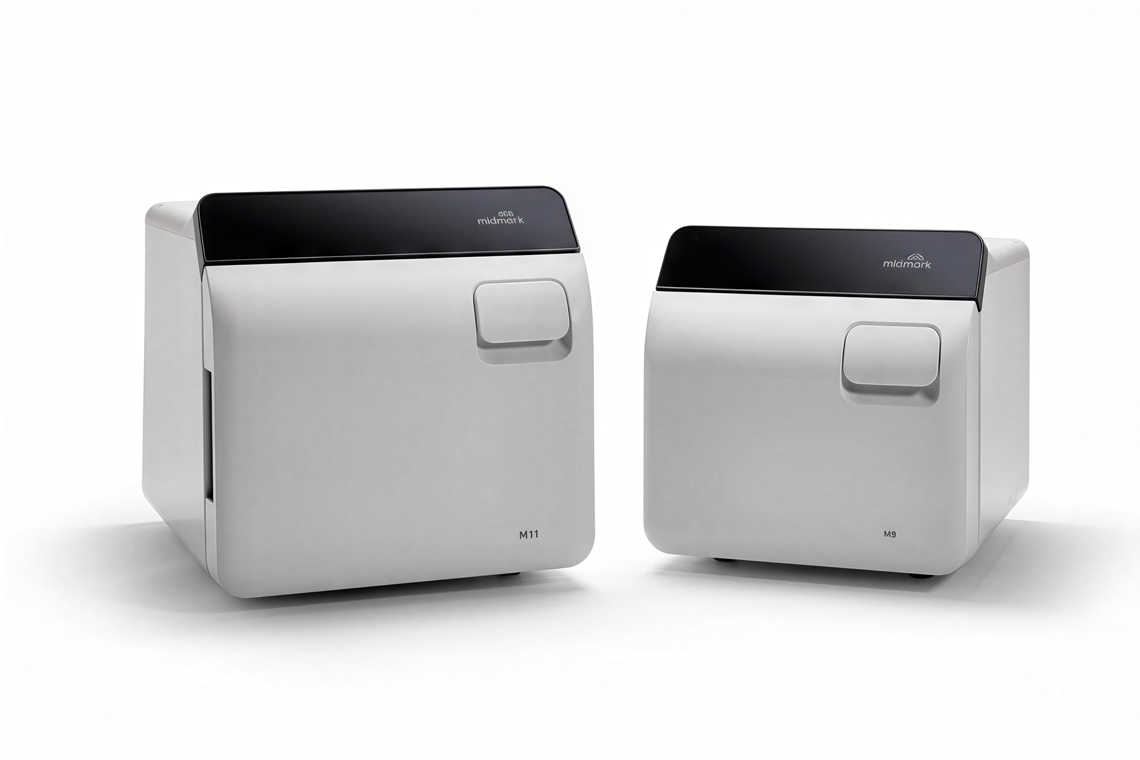
Ready to explore your options? Learn how next-generation Midmark M9® and M11® Steam Sterilizers are designed to simplify instrument processing and help reduce long-term ownership costs.