
























BLE Readiness: A Strategic Approach to RTLS Expansion

By:
Partner Development Manager, Midmark RTLS
JuLY 9, 2026
For many healthcare organizations, RTLS has already become an essential part of daily operations—helping teams locate equipment faster, improve workflows and increase operational visibility.
Now, Bluetooth® Low Energy (BLE) technology is making it possible to expand those capabilities even further—without starting over.
A Smarter Path Forward for Existing RTLS Environments
Expanding RTLS capabilities with BLE is less about replacing existing technology and more about building on the investments already in place. That may include leveraging BLE-capable wireless access points, extending visibility without significant infrastructure replacement or integrating existing room-certain RTLS data more broadly into operational and clinical systems such as Epic.
With the right strategy, expansion with BLE can help organizations support additional workflows, improve operational visibility and create more connected experiences—all while maximizing the value of existing RTLS and other technology investments.
Instead of layering on point solutions from multiple vendors to address individual needs over time, BLE creates an opportunity to use your existing systems to support broader visibility and connected workflows through a more unified RTLS strategy.
But before expanding capabilities, organizations first need to understand which parts of their current environment can support that growth.
Why Readiness Matters
Every healthcare environment is different—and so is every strategy for location-based solutions.
Facilities vary by infrastructure, operational workflows and existing technology investments. Even within the same health system, RTLS deployments may differ significantly across departments or buildings.
As organizations explore opportunities to expand with BLE, it’s important to first understand how the current environment can support that growth.
That’s where an RTLS Readiness Assessment comes in.
An RTLS Readiness Assessment is designed to help healthcare organizations determine whether their existing RTLS environment is ready to support future BLE expansion and connected workflows.
Rather than focusing only on technology, the assessment evaluates how infrastructure, operational priorities and existing RTLS investments align to support broader visibility across the organization.
By understanding their current environment first, organizations can identify how existing infrastructure and RTLS investments may support BLE expansion—providing the insight needed to make more informed, strategic and cost-effective decisions about how and where to expand RTLS capabilities with BLE.
The goal is to help organizations identify where BLE can create the greatest operational value, determine readiness for future expansion and establish a clear path forward for long-term scalability.
What the Assessment Evaluates
An Readiness Assessment looks at the full environment—not just the technology itself.
Existing RTLS Environment
The assessment begins with an evaluation of the current RTLS ecosystem, including:
Existing RTLS technologies and deployments
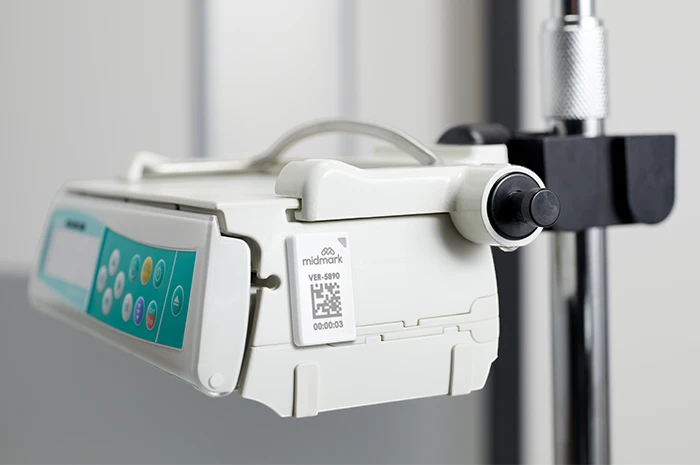
Current hardware, devices and supporting infrastructure
Coverage areas and visibility gaps
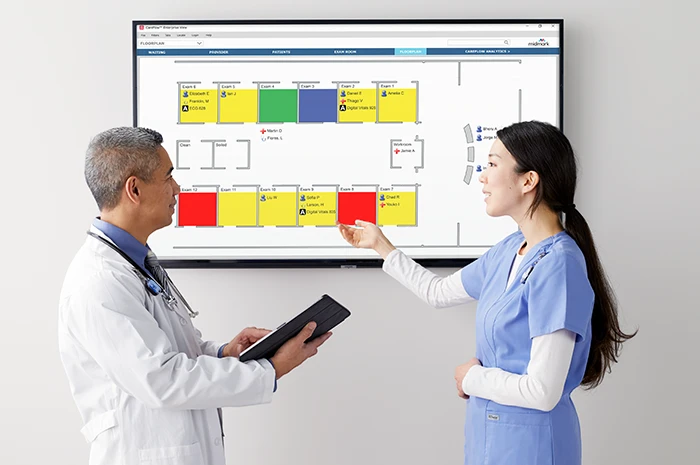
Current workflows, interfaces and operational use cases
This helps identify where BLE can extend or enhance existing capabilities while building on existing technology investments.
Networking Infrastructure
Because every healthcare environment is different, infrastructure readiness plays an important role in successful expansion.
The assessment evaluates:
Wi-Fi network BLE compatibility
Areas where infrastructure can support future BLE expansion
Alternatively, feasibility of deploying a dedicated BLE network
Understanding these considerations up front helps organizations plan more effectively and avoid unnecessary complexity later.
Operational Priorities + Expansion Opportunities
BLE expansion should align with operational goals—not just technology initiatives.
The assessment helps organizations identify opportunities to:
Improve workflow visibility
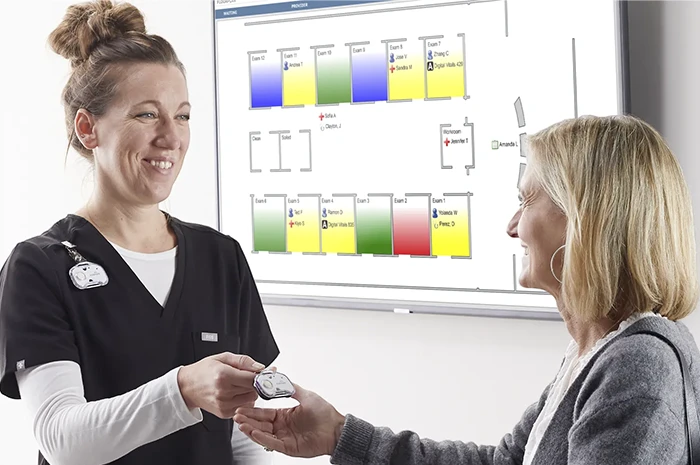
Support staff safety initiatives
Increase operational efficiency across departments
Enable future connected-care workflows and integrations
This helps ensure expansion efforts are tied to measurable operational value.
From Insight to Strategy
By combining infrastructure insights, workflow priorities and RTLS expansion opportunities, organizations gain a clearer understanding of where BLE can support operational goals and connected workflows across the enterprise.
This helps health systems prioritize future initiatives, align stakeholders and make more-informed decisions about how to expand RTLS capabilities over time.
Thinking about expanding your RTLS capabilities with BLE?
Contact your authorized System Integrator or an RTLS specialist to learn more and schedule an RTLS Readiness Assessment today.
Bluetooth is a registered trademark of Bluetooth SIG, Inc.
Epic is a registered trademark of Epic Systems Corporation.