
-
 Better BP®There’s a better way to capture BP—discover the keys to more accurate measurements.
 -
 Exam Room DesignBetter exam room designs help create better care experiences for patients and staff.
 -
 Medical Diagnostics Connected SolutionsThis is your go-to source for exploring, implementing, and supporting connected diagnostics.
 -
 Workflow OptimizationDesign a more efficient, effective healthcare experience.
 -
 Asset Tracking + ManagementEnsure that your caregivers readily have the assets they need while better controlling costs.
 -
 We See ItEnable efficient care through connected systems and streamlined workflows.
-
 Patient AccessibilityLearn more about the 2024 US Access Board Standards (MDE) and what makes the Midmark 626 compliant.
 -
Ambulatory Surgery CentersImprove ASC workflow efficiency to reduce bottlenecks and support faster room turnover.
-
 Patient + Staff SatisfactionSet the foundation for happier, more content patients and staff.
 -
 Patient + Staff SafetyCreate a safer healthcare environment for patients and staff.

-
 Architectural ResourcesVisit our planning and design library for the architectural resources you need.
 -
Synthesis Casework CatalogExplore our digital catalog for available products and part numbers.
-
Design for the Point of CareLet us help you design a more efficient, effective healthcare experience.
-
 Exam WorkflowsBetter care starts with a better exam workflow space. We can help.
 -
Procedures WorkflowsResponding to patient demands while controlling costs requires greater efficiency in the procedures room workflow.
-
Vital Signs WorkflowsEnhance caregiver-patient interaction and improve outcomes at the foundation.
-
Instrument Processing WorkflowStandardize the flow of instruments to reduce contamination and improve efficiency.
We See It
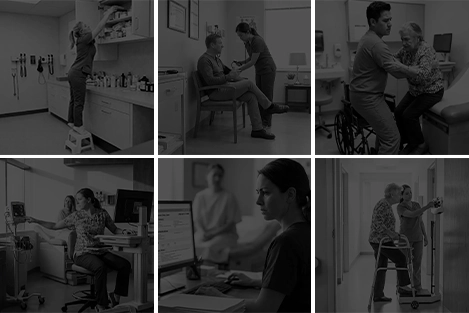
Midmark helps remove workflow friction across the care environment with solutions for exam/procedure room design, accessibility, EMR connectivity, point-of-care workflow and caregiver efficiency.
How We Can Help
Rethinking the Exam Room - AIA Credit
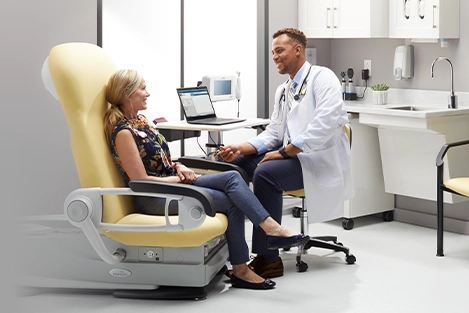
The course is delivered live by Midmark clinical design consultation experts. It provides healthcare architects and designers who are AIA members a high-level view of how proper exam room design can improve clinical workflow efficiency at the point of care.
View AIA Credit Course
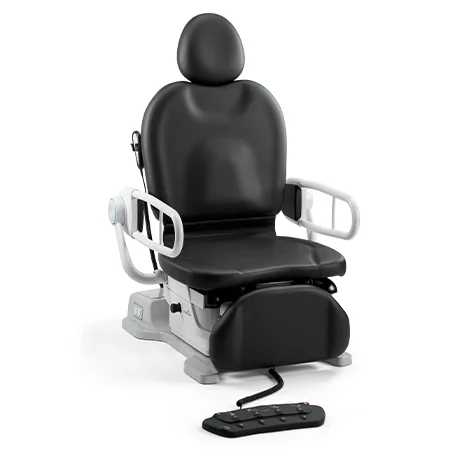
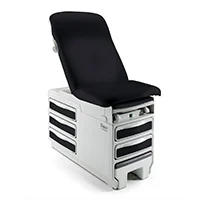
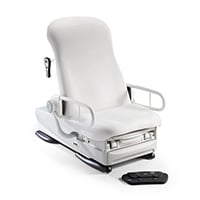

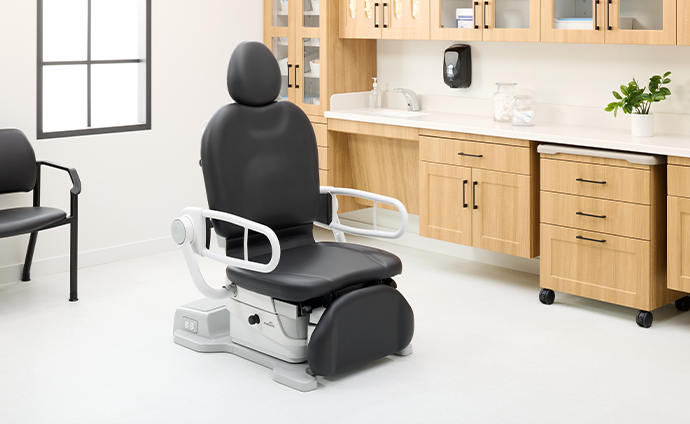
Midmark® 631 Procedure Chair
The right procedure room equipment can make a crucial difference in both patient outcomes and caregiver safety. Particularly for patients...
Explore the 631 Procedure Chair-
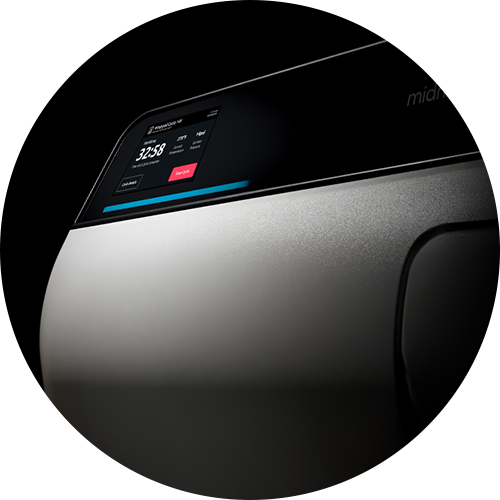
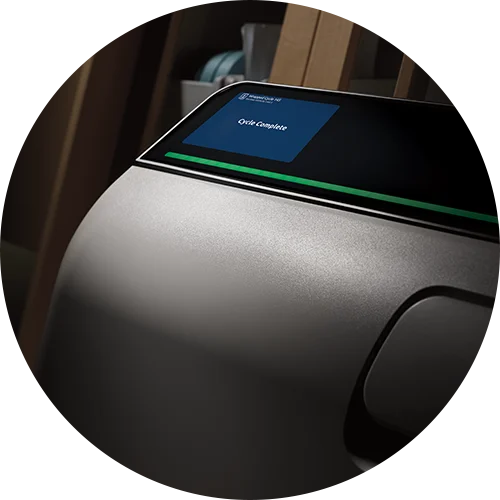
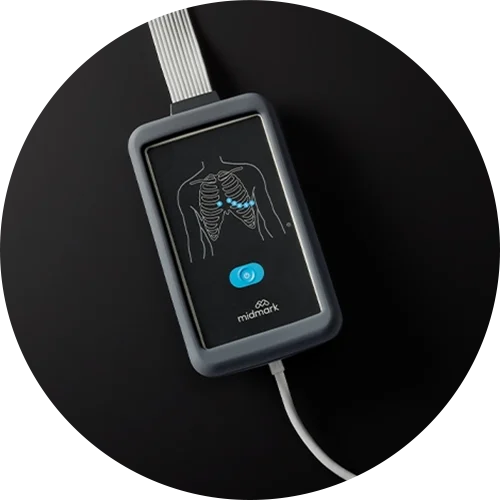 2026 ECG Trade-In PromotionSave $200 when you trade in an ECG for a new Midmark® Digital ECG—and save $50 more when you upgrade with a DICOM license.
 -
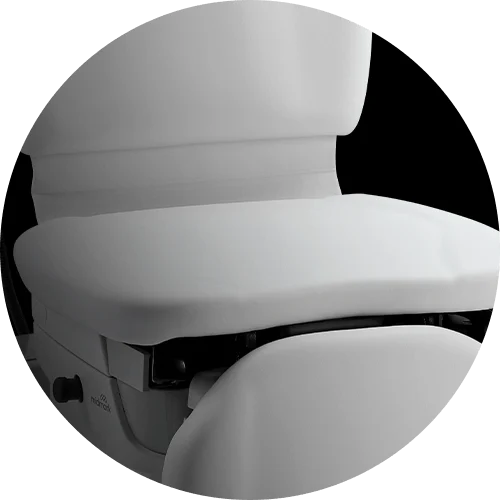 2026 Procedure Chair Trade-In PromotionGet up to $850 back + an additional $150 with delivery and trade-in removal services.
 -
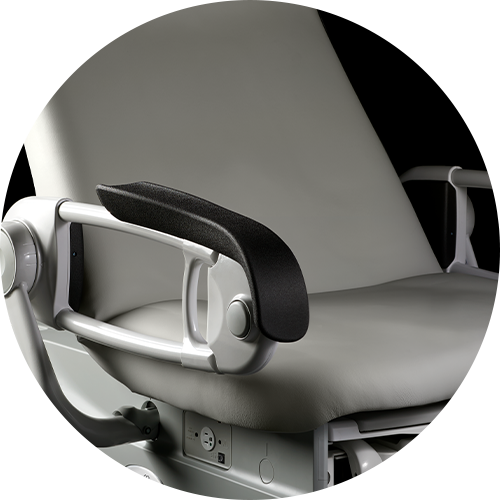 2026 Examination Chair Trade-In PromotionRebates up to $500 + a Bonus $150 with delivery and trade-in removal services.

-
 InfographicsLet us show you the whole picture with real-world applications.
 -
Published PerspectivesChange is a constant in healthcare – and we’re leading the way. Read our recent bylines and articles.
-
 BlogLet’s talk about better care. Join the discussion today.
 -
Medical Press ReleasesFind out what’s happening at Midmark. View the latest news about Midmark and the healthcare industry.

-
 Consulting ServicesLet us help you make data-driven decisions to improve patient flow and clinical processes.
 -
 Delivery + Installation ServicesMidmark Delivery Services will professionally manage your Midmark equipment shipping, delivery, staging and installation for maximum project success.
 -
Product Repair + Service SolutionsExplore available support and services plans to help keep your medical equipment and devices operational.
-
 Product Manuals (Technical Library)Visit our technical library for product manuals and more.
 -
 Shop Parts, Software + ServicesVisit The Online Parts Store for 24/7 ordering.
 -
 Technical Support | MedicalLet our dedicated technical service team help you find parts, documentation and more.
 -
 Customer ExperienceOur friendly support team is here to assist you every step of the way.