
-

 Nurse Call AutomationAutomatic call cancellation to lighten the nurse workload and give more time back to the patient care experience.
 -

 Staff SafetyDiscreet, accurate and real-time alerts through a wearable duress button that helps provide an efficient response and protect staff against workplace violence.
 -
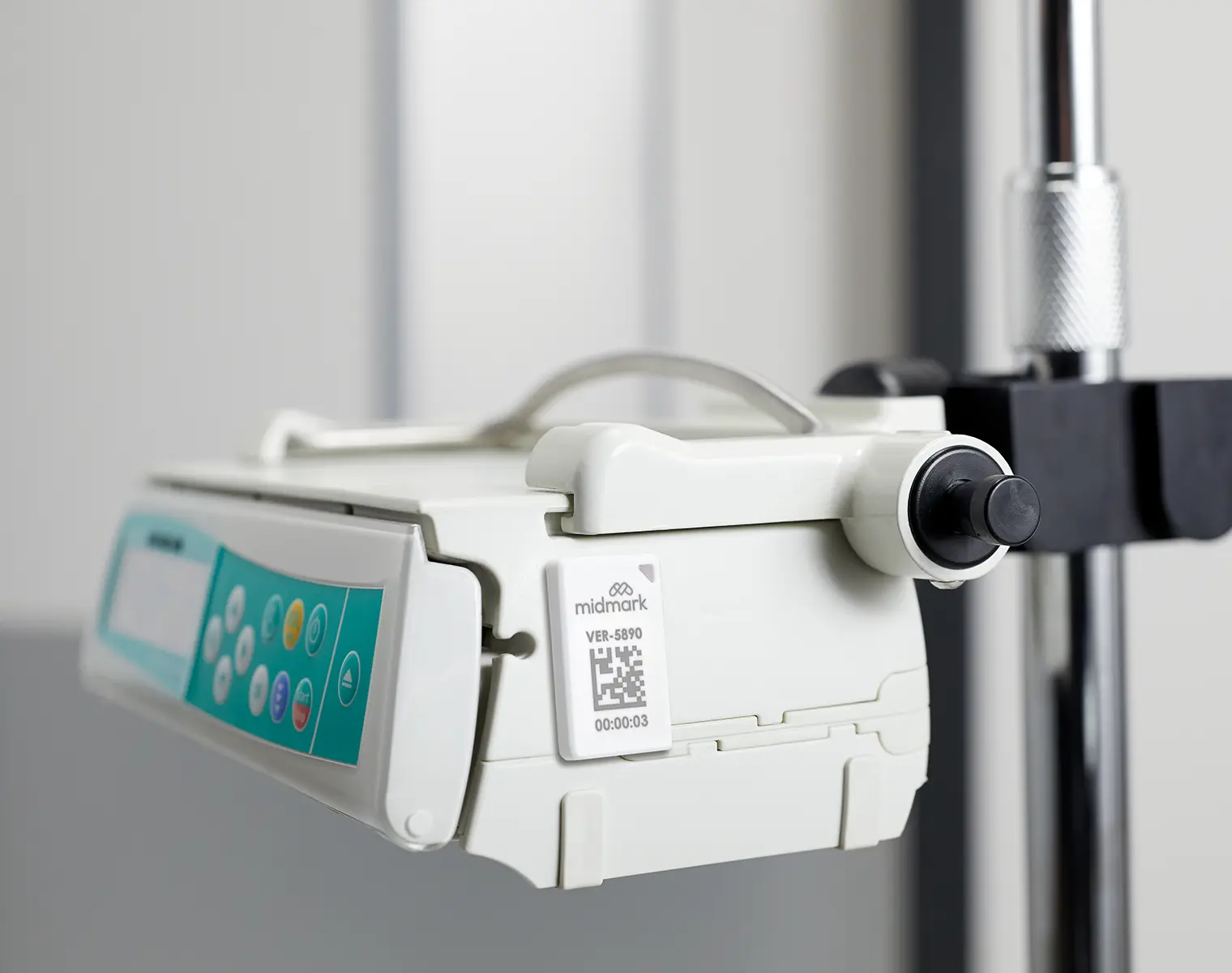
 Asset TrackingIn-the-moment equipment locating to support safe and timely patient care and controlled costs.
 -

 Patient FlowEnhanced communication designed to optimize operations, enrich patient experiences and improve staff satisfaction.
-
 AnalyticsDerived from actionable insights at your fingertips, accurate location information drives informed decision making.
 -
 Contact TracingQuick, accurate information at your fingertips for your contact tracing efforts.
 -

 Temperature MonitoringA partnership of best-in-class solutions, available through an interface with Primex environmental monitoring.
 -

 InterfacesA seamless architecture that exchanges data automatically between your RTLS and other enterprise applications in real time.
-

 RTLS TechnologyMidmark CareFlow™ RTLS uses multiple locating technologies designed to help guide your operations.
 -
 Customer SuccessSeasoned clinical expertise—both in-house and from regionally certified System Integrators—to support your RTLS journey.
 -
 RTLS SimplifiedSmarter RTLS starts with existing systems. Discover how CareFlow™ RTLS simplifies healthcare locating technology, providing reliable facility-wide visibility through a streamlined, scalable approach.

At Midmark RTLS, we believe the key to real-time locating system (RTLS) success is just as much about the right partner and process
as it is the technology.
as it is the technology.




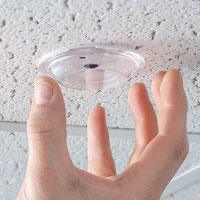
CareFlow Staff Duress Now Under Construction in Epic Toolbox!
CareFlow RTLS Staff Duress is now Under Construction in the new Staff Duress category in Epic Toolbox. With this future integration, staff will be able to discreetly alert responders during high-risk situations—with precise, real-time location-aware push notifications directly inside the system clinicians already use—Epic EMR.
-
 RTLS System Integrator ResourcesDiscover our library of sales and marketing resources.
 -
 Case StudiesSee how we’ve helped our customers design better, more efficient care.
 -
White PapersEmbrace innovation in your health system with thought leadership.
-
 Webinars + PodcastsListen to the latest from Midmark RTLS here.
-

 BlogThink differently and solve problems with new ideas to enhance patient care.
 -
Published PerpectivesChange is a constant in healthcare—and we’re leading the way. Read our recent bylines and articles.
-
InfographicsLet us show you the whole picture with real-world applications.
-
RTLS Press ReleasesFind out what’s happening at Midmark RTLS. View the latest news about Midmark RTLS and the healthcare industry.


Self-help Support for Customers + System Integrators

Access our online documentation for support articles, manuals, release notes and more.